
 Pipeline Cleaning Pigs
  Cup Pig Pipeline Your choice
 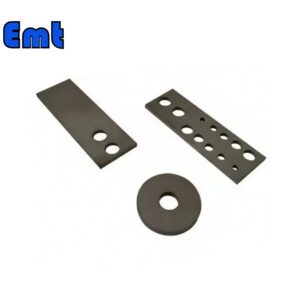 Corrosion Monitoring Coupons
 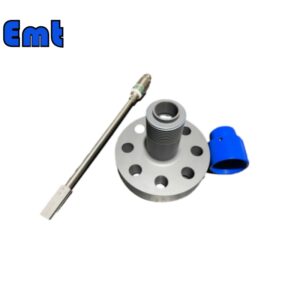 EMT Metal Corrosion Coupons
Description
Metal Coupon method is one of the most commonly used corrosion monitoring methods in petroleum production. This method is direct and effective. Corrosion management requirements are increasing. In addition to analyzing the average corrosion rate of the hanging pieces, there is more demand. We also want to mine the data properties of the hanging film more comprehensively. It needs to be analyzed from multiple angles. This includes the mounting status of the mount and the exposure environment. It is also necessary to consider the stripping morphology and adhesion composition. The microstructure of corrosion is also important. Through these comprehensive analyses, we can better understand corrosion trends. This also allows for more effective identification of possible risks.
| Name | Strip Coupon | Multihole Strip Coupon | Disc Coupon |
| Applications | Commonly used for most evaluations. | Use with low-pressure access equipment or through narrow ports that a standard 3/4 inch wide coupon cannot pass. | These circular coupons work in multiple disc monitoring applications. |
| Size | 3”*3/4”*1/16” (76.2mm*19.0mm*3.2mm) | 3”*1/2”*1/16” (76.2mm*12.7mm*3.2) With mounting holes | Φ1.25”(31.8mm)Thickness 1/16”(3.2mm) |
Metal Coupons Mounting Precautions
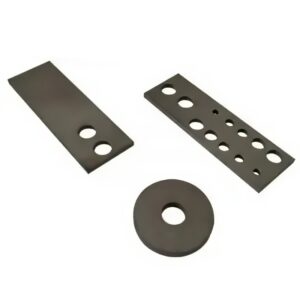
Metal Coupon Types
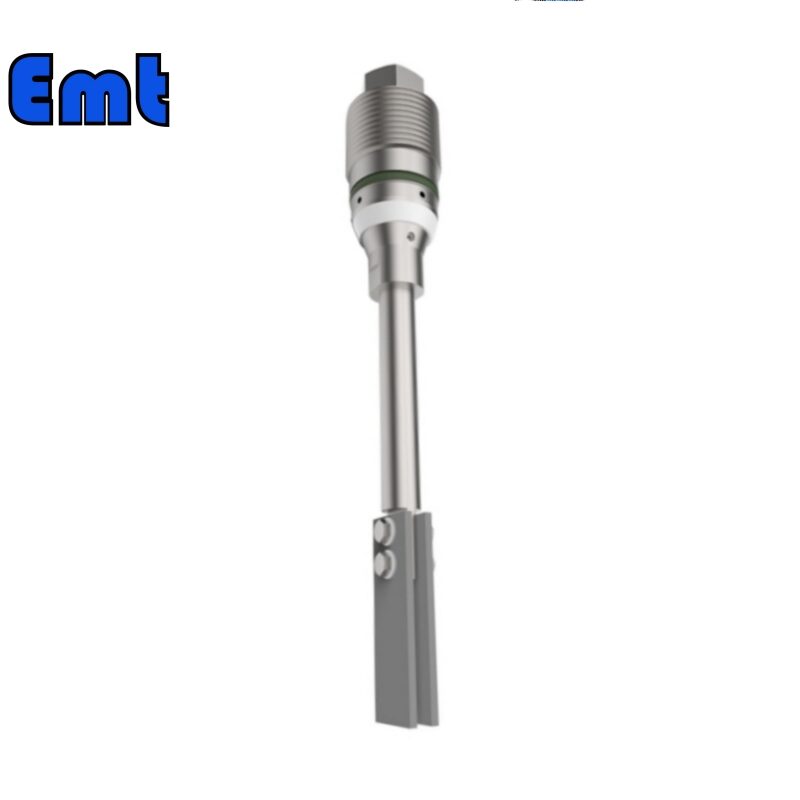
At present, there are three kinds of commonly used hanging pieces in oil and gas fields. That is, ladder type bar hanging piece, porous hanging piece and plate hanging piece.
Material
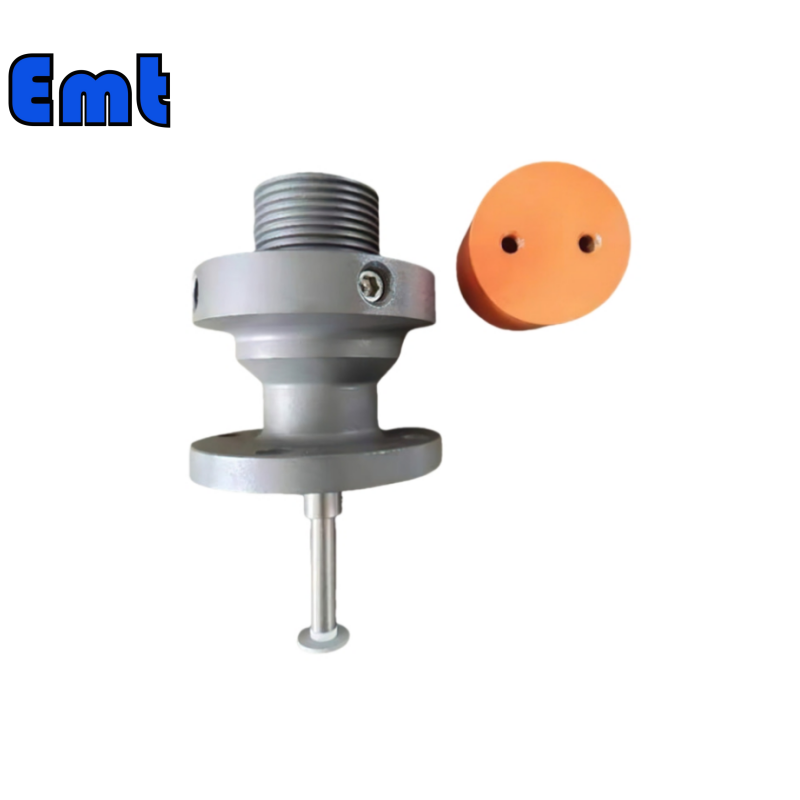
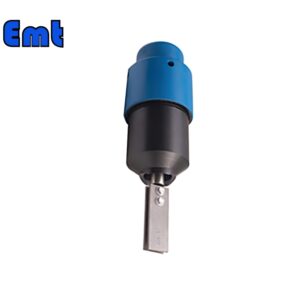
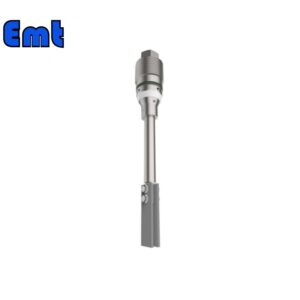
At present, there are two common corrosion mounting methods for oil and gas fields:
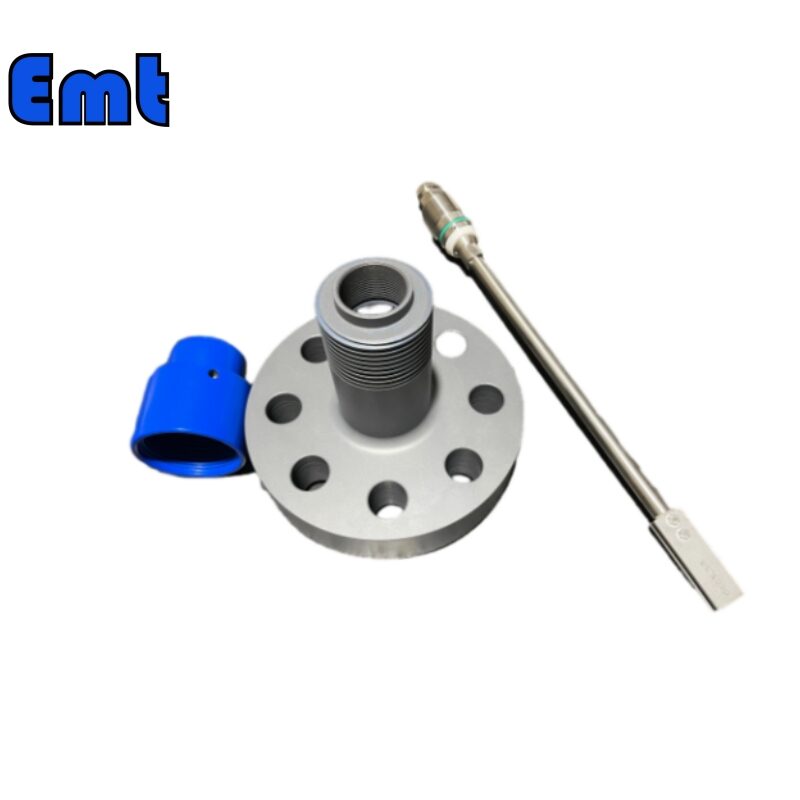
2-inch system (for high pressure systems)
Retractable 1-inch system (for low-pressure systems)
Monitoring Time
Precautions for Disassembling Corrosion Mounts
Information Record
Metal Coupon information: When taking out the hanging film, record the series number of the hanging film, the date of removal, the detailed installation position and other information;
Appearance information: After taking out the hanging piece, record and describe macroscopic corrosion, mechanical damage, scaling or corrosion products.
Metal Coupon Treatment
● Take pictures:
Take pictures within 30 seconds of taking out the coupon. Especially in the case of corrosion or scaling. You should avoid the impact of environmental oxygen explosion.
● Cleaning:
Wear clean gloves to avoid the corrosion of the coupon stained with grease. Because the salt and acid in the grease will affect the analysis results. Before delivery, use a paper towel or clean soft cloth to wipe the attached oil on the surface of the hanging piece.
● Bacterial culture:
When an attachment forms on the surface of the coupon, you should perform a bacterial culture promptly to determine the bacterial status.
● Scaling and corrosion products:
You should not directly wipe the scaling and corrosion products off the corrosion coupon at the site. Instead, seal it along with the corrosion coupon and send it back to the laboratory for analysis and treatment.
Coupon Storage and Shipping
After removing the Metal coupon, you can pack it in a ziplock bag or a moisture-proof envelope. This packaging prevents oxidation of the hanging piece, which could affect the result analysis. At the same time, you should label it and promptly send it to the laboratory for analysis.
Laboratory Treatment
Upon receiving the coupon, the laboratory should respond immediately. Moreover, the coupon should be processed according to standard methods as follows:
First, collect the surface attachments and scale samples from the coupon and conduct qualitative analysis (such as XRD).
Next, clean and dry the coupons, weigh them, and take photographs.
Then, measure the depth of the pitting pits and other obvious corrosion sites on the coupon’s surface and analyze their micro-morphology to determine the type of corrosion.
After completing the final analysis, grease the coupon and store it in a vacuum bag. Organize and store it in a professional sample room. Keep it stored for at least one year to facilitate the querying and checking of historical information on facility corrosion.

Reviews
There are no reviews yet.