


Description
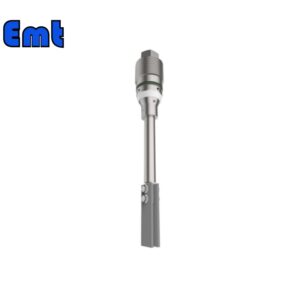
Introduction to Corrosion Monitoring Coupons
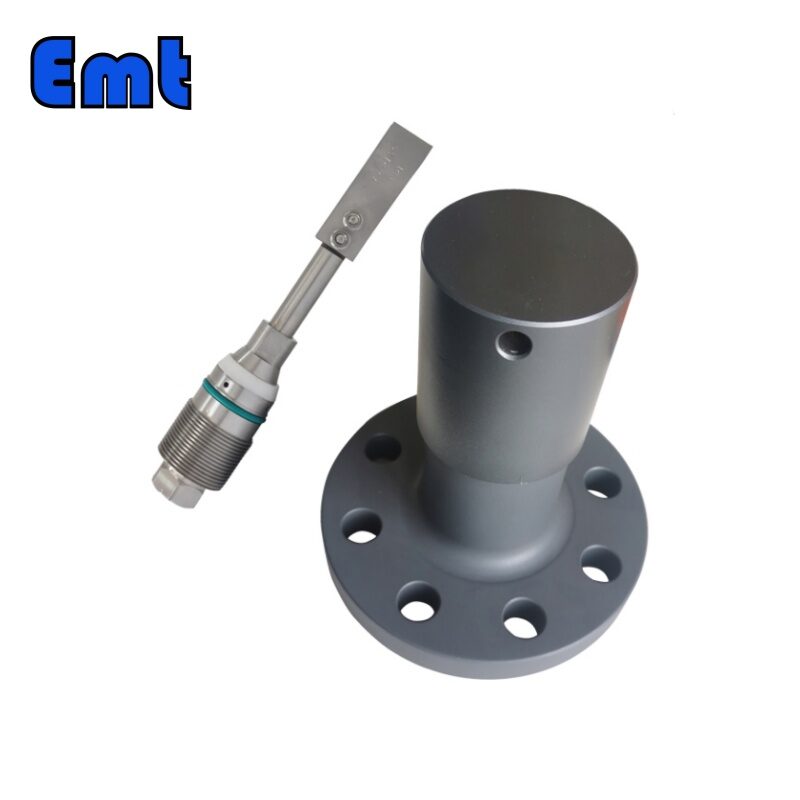
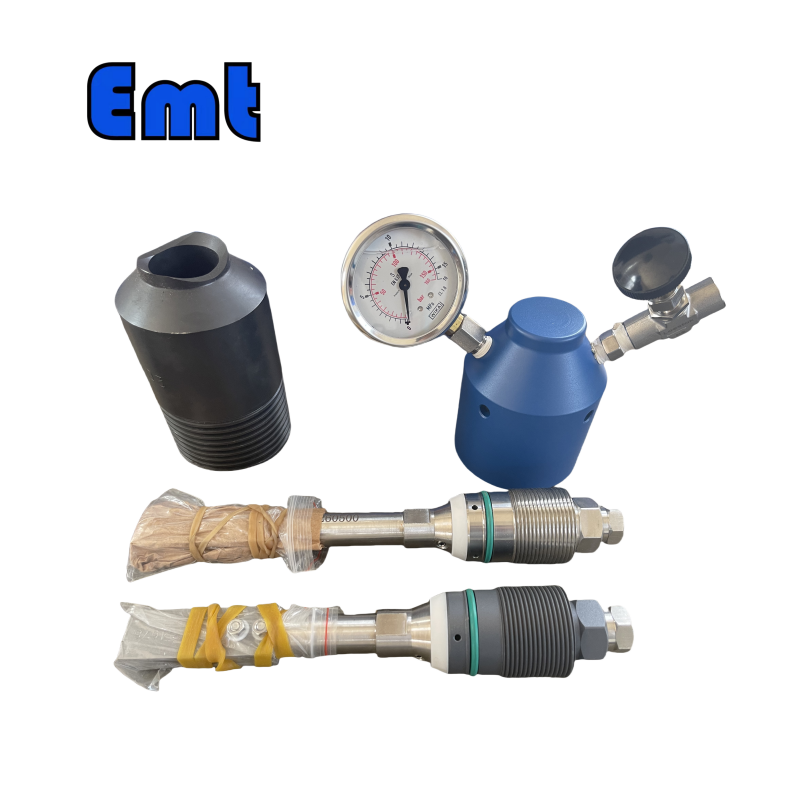
Weightless Corrosion Monitoring Coupons are small metal samples that we expose to the target environment for a period of time to observe the reaction between the metal and the environment. At the end of the exposure time, the hanging piece is removed from the corrosive environment and the corrosion products on the surface of the hanging piece are removed by mechanical and/or chemical methods.
The target environment can be selected where the actual process corrosion conditions are severe to obtain representative corrosion data. At the same time, you can choose to install the weightless hanger on the bypass, you can also adjust the flow rate, temperature and other parameters of the fluid to obtain more meaningful test results.
The type of mounting specimen should be suitable for the purpose of the test, such as: flake specimen for full corrosion or pitting evaluation, welded specimen for local corrosion evaluation of welded parts, stress-loaded specimen or pre-cracked specimen for stress corrosion cracking evaluation. It can also be a combination of metal and other structures (such as crevice corrosion components).
The average corrosion rate is calculated by weight loss of the metal. Weightlessness mounting is a technique for on-line or bypass corrosion monitoring, but it cannot be measured in real time.
Using Features
Can be convenient for visual inspection analysis;
You can evaluate pitting corrosion, crevice corrosion, and other types of non-uniform corrosion.
In addition to the corrosion products that form on the weightless hanging plate, attachments or other residues (such as scale samples, strains, etc.) may also be present, and analyzing these can provide more data information.
In general, the environmental exposure time should be as long as possible to allow local corrosion to start, develop, and effectively assess the environmental service conditions. Researchers usually select an exposure time of 3 months to evaluate pitting and crevice corrosion. ASTM G31 specifies a minimum exposure time for full corrosion of approximately 50 divided by the corrosion rate (mm/a). Laboratory and field evaluations require different exposure times due to varying test control conditions, so you need to analyze and determine the optimal exposure time based on the characteristics of the specific system.
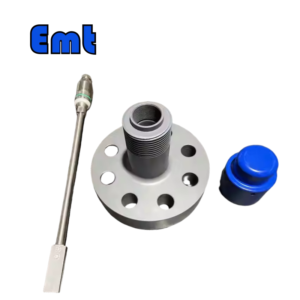
Advantages and Disadvantages of Corrosion Monitoring Coupons
advantages
The principle of this method is simple and easy to understand. The cost is relatively low, and many different metals can be evaluated in a small space.
disadvantages
Short-period test data are not representative. The corrosion weight loss is calculated after the sample is taken out. The test film should not be used again. The derusting and subsequent analysis of the test are time-consuming and labor-intensive. Moreover, the degree of corrosion cannot be assessed during the exposure period (non-real-time).
Reproducibility Problem
Field tests are much less reproducible than precisely controlled laboratory tests. Many factors affect the rate of corrosion and the type of damage. The site environment changes a lot, the flow state is unstable, the impurities are unknown, the oxygen content changes, and so on. Generally speaking, a deviation of ±20% from the average corrosion rate is considered normal. However, a deviation of ±50% is possible in some cases. Very accurate corrosion data are not completely available. However, with proper design, on-site corrosion evaluation work can also provide an accurate comparison between different metals and analysis of potential corrosion problems.
Magnetic Particle Inspection
Magnetic particle inspection utilizes the interaction between the leakage magnetic fields at defects in a workpiece and magnetic particles. It capitalizes on the difference in magnetic permeability between the surface and near-surface defects (such as cracks, slag inclusions, and laps) and the steel’s permeability. After magnetization, the magnetic fields at these material discontinuities become distorted, creating localized leakage of magnetic flux on the surface of the workpiece. This leakage field attracts magnetic particles, forming a visible accumulation of particles at the defect—known as a magnetic indication. Under proper lighting conditions, this accumulation reveals the position and shape of the defects. Observing and interpreting these accumulations of magnetic particles enables the detection of defects through magnetic particle inspection.
Technical Principle
Magnetic particle inspection is a non-destructive testing method used to detect surface and near-surface defects in ferromagnetic materials. This method involves magnetizing a workpiece made of magnetic materials such as steel, and utilizing the characteristic of magnetic flux leakage at defects to attract magnetic particles. The distribution of the magnetic particles then visually displays the surface and subsurface defects of the object under inspection. This inspection technique is noted for its simplicity and direct visual indication.
Magnetic particle inspection is part of the broader category of magnetic testing methods, which also includes inspection techniques using Hall effect sensors, magnetoresistive semiconductor components, magnetic tape recording inspection methods, and coil-induced electromotive force inspection methods.
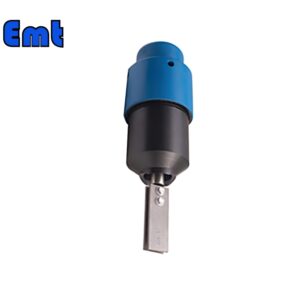
Main Categories of Magnetic Particle Inspection
Magnetic particle inspection techniques can be classified based on different criteria:
First, based on the direction of magnetization of the workpiece:
- Circumferential magnetization method
- Longitudinal magnetization method
- Combined magnetization method
- Rotating magnetization method
Second, based on the type of magnetizing current used:
- Direct current (DC) magnetization method
- Half-wave direct current magnetization method
- The alternating current (AC) magnetization method
Third, based on the composition of the magnetic particles used:
- Dry powder method
- Wet powder method
Fourth, based on the timing of magnetic particle application on the workpiece:
- Continuous method
- Residual magnetism method
Main Characteristics of Magnetic Particle Inspection
Advantages:
Highly effective for detecting surface cracks and other defects in ferromagnetic materials or workpieces.
Simple equipment and operation.
Fast inspection speeds, suitable for on-site inspection of large equipment and workpieces.
Low inspection costs.
Disadvantages:
Only applicable to ferromagnetic materials.
Can only reveal the length and shape of defects, with difficulty in determining their depth.
Some workpieces affected by residual magnetism require demagnetization and cleaning after inspection.
Magnetic particle inspection is sensitive and convenient to operate. However, it cannot detect defects in parts of cast iron beds and in materials with poor magnetic conductivity, such as austenitic steel. It also fails to reveal deeper defects within cast parts. The surfaces of castings and steel materials need to be smooth; they often require grinding before an inspection can proceed.

Reviews
There are no reviews yet.