

Description

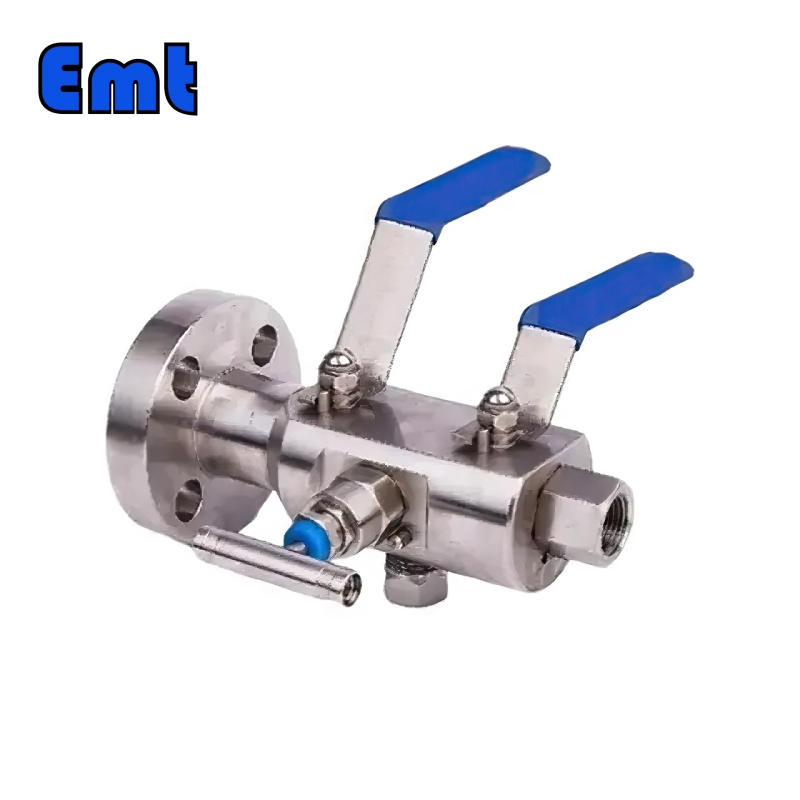
A Double Block and Bleed (DBB) valve is a specialized valve designed to isolate and decrease pressure in a system. It consists of two shut-off valves, or ‘blocks,’ connected by a pipe or conduit, with a ‘bleed’ valve situated in between. When all three components are closed, the system can be completely shut down and isolated from any pressure increases.
DBB valves are widely used in various industries, including oil and gas, petrochemical, power generation, maritime, mining, and chemical production. Their reliability makes them suitable for high-pressure systems containing highly volatile substances.
The integration of two shut-off valves and a bleed valve into a single unit offers several advantages. DBB valves are easy to install and maintain, making them cost-effective compared to other types of valves. They feature an advanced sealing design that prevents leakage and require minimal pressure drop, enhancing operational efficiency.
Importance of DBB Valve in Industry
Ensuring Safety
Double Block and Bleed (DBB) valves provide critical safety measures. They isolate sections of a pipeline or system, preventing leaks and ensuring safe maintenance. This is crucial in industries handling hazardous materials, where isolation can prevent accidents.
Enhancing Operational Efficiency
DBB valves streamline operational processes. By allowing maintenance without shutting down the entire system, they reduce downtime. This efficiency translates to significant cost savings and increased productivity.
Improving System Integrity
DBB valves maintain the integrity of industrial systems. They offer reliable isolation, ensuring that only the designated section is affected during repairs or inspections. This prevents contamination and maintains system performance.
Meeting Regulatory Requirements
Industries must comply with strict safety and environmental regulations. DBB valves help meet these requirements by providing dependable isolation and bleed capabilities. Compliance avoids legal issues and potential fines.
Versatility Across Multiple Industries
DBB valves are versatile and used in various sectors. From oil and gas to chemical processing and power generation, they adapt to different operational needs, making them a valuable asset across industries.
Reducing Environmental Impact
By preventing leaks and spills, DBB valves play a role in reducing environmental impact. They ensure that hazardous materials do not escape into the environment during maintenance or emergencies.
Cost-Effective Maintenance
Regular maintenance of industrial systems is essential but can be costly. DBB valves reduce these costs by allowing targeted isolation, minimizing the area that needs to be shut down and serviced.
Enhancing Reliability and Performance
DBB valves enhance the overall reliability and performance of industrial systems. Their robust design and effective isolation ensure that systems operate smoothly and without interruptions.
Supporting Advanced Industrial Processes
Advanced industrial processes require precise control and safety measures. DBB valves support these needs by providing reliable isolation and bleed functions, essential for complex operations.
Understanding DBB Valve
Definition and Function
Double Block and Bleed (DBB) valves are specialized valves designed to provide a seal on both sides of the valve to isolate a section of the pipeline. They also feature a bleed mechanism to release any trapped pressure or fluid. This functionality enhances safety and maintenance efficiency by ensuring complete isolation and facilitating system depressurization.
History and Evolution of DBB Valves
The concept of DBB valves emerged in response to the need for more reliable and safe isolation methods in industrial pipelines. Initially, engineers used two separate valves to achieve a double block and bleed configuration. Over time, advancements in valve technology led to the development of integrated DBB valves, which combine the functionality of two block valves and a bleed valve into a single unit. This evolution has significantly improved the efficiency and safety of pipeline operations.
Types of DBB Valves
Traditional DBB Valves
Traditional DBB valves consist of two separate block valves with a bleed valve positioned between them. Operators typically install these configurations in series to isolate a section of the pipeline and safely depressurize the space between the valves. While effective, this setup requires more space and can be more complex to operate and maintain compared to integrated solutions.
API 6D DBB Valves
API 6D DBB valves adhere to the American Petroleum Institute’s standards, providing a more streamlined and efficient solution. These valves integrate two sealing surfaces and a bleed mechanism into a single valve body. This design simplifies installation and maintenance, reduces potential leak paths, and enhances overall system reliability. API 6D DBB valves are widely used in the oil and gas industry, where stringent safety and operational standards are paramount.
How DBB Valve Works
Mechanism of Action
DBB (Double Block and Bleed) valves operate by utilizing two sealing mechanisms within a single valve body to achieve complete isolation. When the valve is in the closed position, these two seals block the flow of fluid from both upstream and downstream directions. Between these two seals, there is a cavity that can be vented or bled. This cavity is crucial for verifying the integrity of the seals and ensuring that there is no leakage. The valve also includes a bleed valve or port that allows for the release of any trapped pressure or fluid within the isolated cavity.
Isolation Process
During the isolation process, the DBB valve utilizes its two independent sealing surfaces to block flow from both sides of the valve. When the valve is closed, the primary and secondary seals engage, creating a secure barrier against the flow of fluids or gases. This dual-seal configuration ensures that even if one seal fails, the other maintains isolation, providing an extra layer of safety. Operators can then use the bleed valve to check for leaks, confirming the integrity of the isolation.
Bleeding Process
The bleeding process involves the use of the bleed valve or port integrated into the DBB valve. Once the primary and secondary seals are engaged and the section of the pipeline is isolated, the bleed valve is opened to release any trapped pressure or fluid between the seals. This step is critical for safety, as it allows operators to depressurize the isolated section, making it safe for maintenance or inspection. The ability to bleed off pressure also helps in detecting seal integrity, ensuring that there is no fluid leakage past the primary or secondary seals. This process enhances safety and efficiency in pipeline operations, providing a reliable method for depressurizing and verifying isolation.

Reviews
There are no reviews yet.