

Description
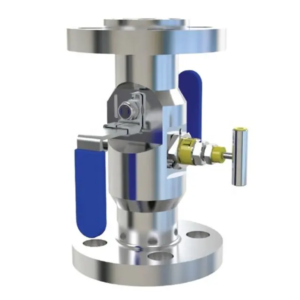
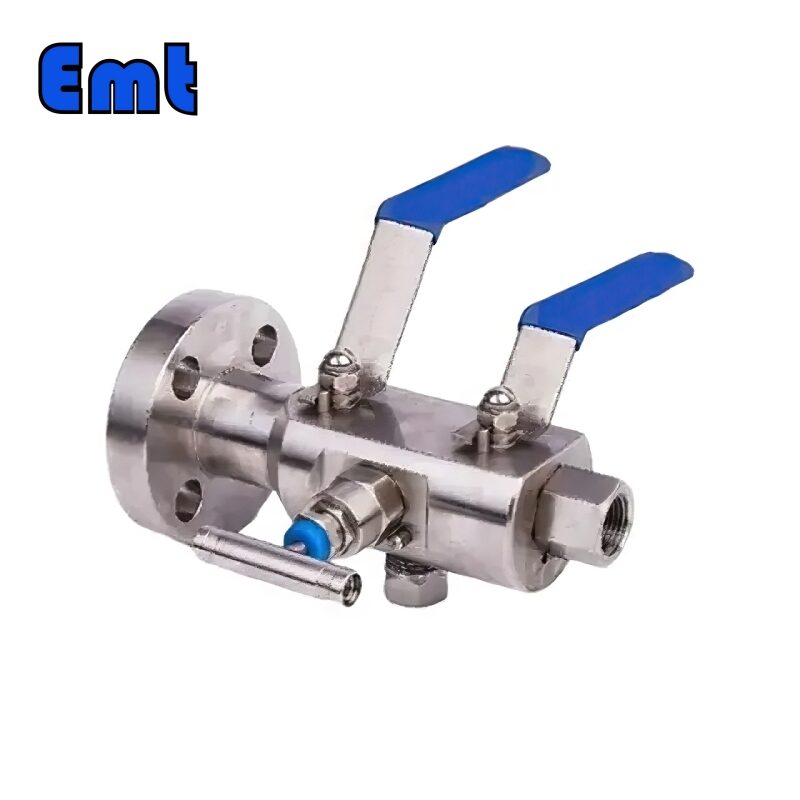
A DBB (Double Block and Bleed) valve is a type of valve used to isolate a section of a pipeline. It provides two blocking valves and a bleed valve in a single unit. This design allows for the isolation of the pipeline section and the safe release of pressure or contents from the space between the two block valves. DBB valves are often used in applications where safety and leak prevention are critical, such as in the oil and gas industry.
DBB is a double-drain valve.
The key to the working principle of the double-break and discharge valve is the action of the two sealing slides installed on the cock.
Valve close:
To close the valve, first, you should rotate the handwheel and turn the cock and seal slide 90°. Then, move the cock down and push the seal slide toward the body cavity cover. This action evenly squeezes the elastic seal ring to the upper and lower ends of the valve hole to form a seal.
Valve opening:
To open the valve, first rotate the handwheel to lift the cock and pull the sealing slide back from the sealing surface on both sides of the valve body. Once you completely withdraw the slide plate from the sealing surface, continue turning the handwheel to rotate the cock and seal the slide plate 90°, putting the valve in the open position.
What are the common applications of DBB Valves in the oil and gas industry?
DBB valves in the oil and gas industry are used for isolating sections of pipelines during maintenance, safely releasing pressure between block valves, and detecting leaks through pressure monitoring. They also facilitate instrument calibration without system shutdowns and help maintain pipeline integrity by preventing product contamination and enhancing safety and operational efficiency.
What are the safety standards for using DBB Valves in pipelines?
When using DBB valves in pipelines, safety standards typically include:
Compliance with Industry Standards: Follow API, ANSI, and ISO standards for valve design and testing.
Regular Maintenance and Inspection: Ensure valves are inspected and maintained for optimal performance.
Proper Installation: Install valves according to manufacturer guidelines to prevent leaks and ensure functionality.
Pressure Testing: Conduct pressure tests to verify the integrity of the valve seals.
Material Compatibility: Use materials compatible with the fluid and environmental conditions to prevent corrosion or degradation.
Training for Personnel: Ensure staff are trained in the operation and maintenance of DBB valves.
Emergency Procedures: Establish clear emergency procedures in case of valve failure or leaks.
The Pressure Testing Process for DBB Valve
The pressure testing process for DBB valves begins with preparation, ensuring you properly install and securely connect the valve. Keep the valve in the closed position and isolate the pipeline section to prevent flow during testing. Next, fill the valve cavity and test section with a test fluid, usually water, to avoid compression hazards.
Once filled, gradually increase the pressure to a specified level, typically higher than the valve’s maximum operating pressure. Hold the pressure for a set period while observing for any pressure drops, which may indicate leaks. Visually inspect for signs of leakage. Afterward, slowly release the pressure and document the test results, including pressure levels and observations, for compliance and future reference. This thorough process ensures the valve’s integrity and reliability under operational pressures.
Advantages And Disadvantages
advantages
DBB valves offer enhanced safety by allowing the isolation of pipeline sections. They reduce potential leak points and minimize downtime. Operators can perform maintenance without depressurizing the system. They ensure precise flow control and improve operational efficiency. With a compact design, they save space and installation costs. Their design supports easier leak detection and pressure monitoring. They enhance overall system reliability and integrity.
disadvantages
DBB valves can be expensive to purchase and maintain. They require precise installation and skilled operation. Their complex design may lead to higher chances of mechanical failure. Regular maintenance is necessary to ensure reliability. They may not fit well in systems with limited space. Additionally, sourcing replacement parts can be challenging.
The Maintenance Requirements of the Product
Maintaining DBB valves involves several key steps to ensure optimal performance and longevity:
Regular Inspection: Frequently check for signs of wear, corrosion, or leaks. Inspect seals and gaskets for damage.
Lubrication: Apply appropriate lubricants to moving parts to reduce friction and prevent wear.
Cleaning: Remove any debris or buildup from the valve components to maintain smooth operation.
Seal Replacement: Regularly replace seals and gaskets to prevent leaks and maintain pressure integrity.
Operational Testing: Periodically operate the valve to ensure it opens and closes smoothly and correctly.
Pressure Testing: Conduct pressure tests to verify the valve’s ability to maintain required pressure levels.
Documentation: Keep detailed records of maintenance activities, including inspections, repairs, and replacements.
Training: Ensure that personnel are well-trained in the specific maintenance procedures for DBB valves.
Reviews
There are no reviews yet.