
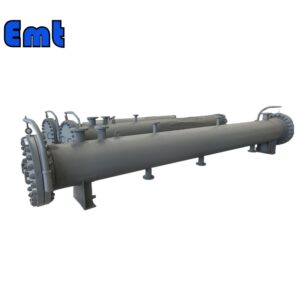
 Pig Launcher and Receiver
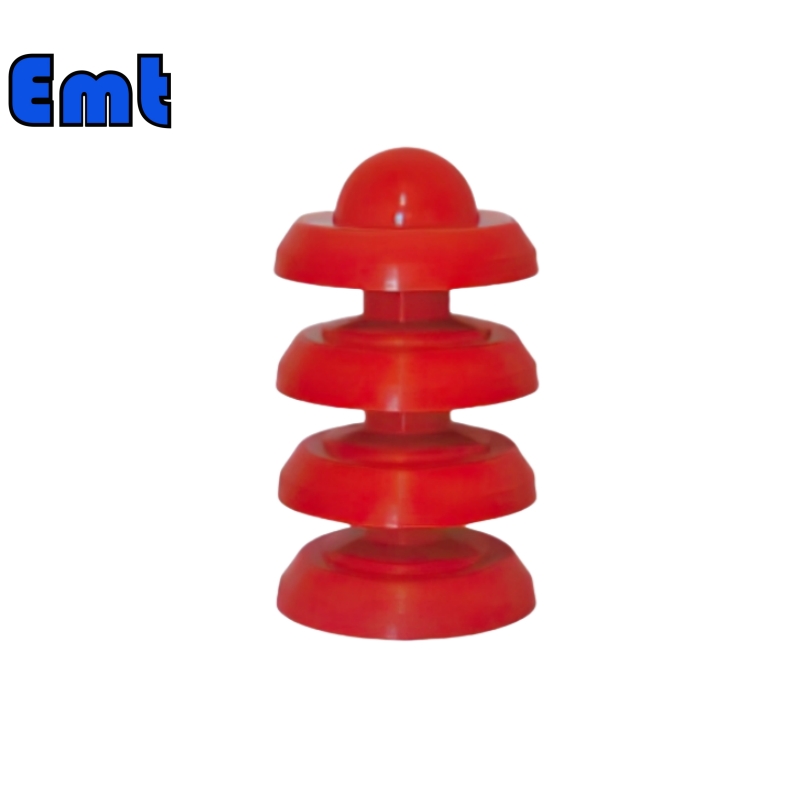
Description
Introduction to Types of Pig in Oil and Gas
Types of Pig in Oil and Gas play crucial roles in pipeline maintenance and inspection. Foam pigs, known for their flexibility, adapt to different pipe sizes for cleaning and drying. Solid cast pigs offer durability for heavy-duty cleaning tasks, while mechanical pigs use brushes and blades to tackle stubborn debris. Intelligent pigs provide advanced inspection capabilities with sensors that assess pipeline conditions. Spherical pigs help separate products and clean efficiently. These diverse types of pig in oil and gas ensure optimal performance and safety across pipeline systems.
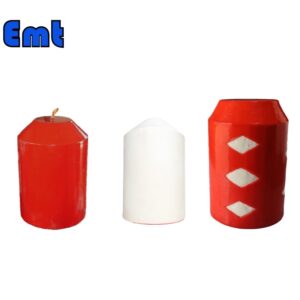
Foam Pig
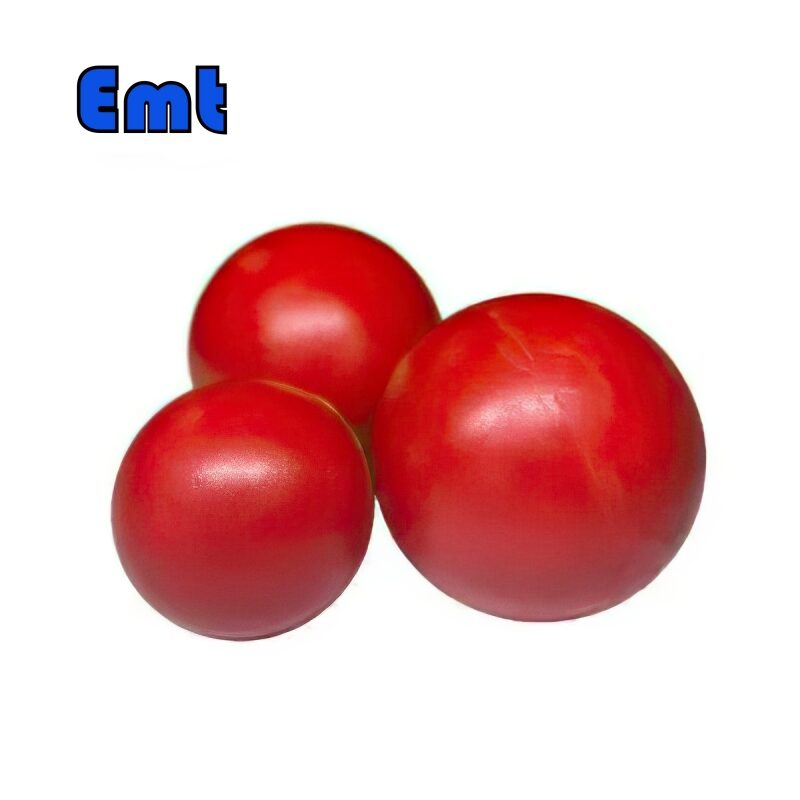
Foam pigs are flexible and versatile tools used in pipeline maintenance. They adapt to various pipe sizes and configurations, making them ideal for cleaning, drying, and product separation. Their lightweight design allows easy insertion and removal, ensuring efficient operation across different industries.
Foam pigs are crafted from open-cell polyurethane, allowing them to effectively navigate bends and irregularities in pipelines. They come in different densities to suit specific cleaning tasks, from gentle swabbing to more aggressive scraping. Industries rely on foam pigs for their cost-effectiveness and ability to handle tasks like dewatering and removing soft debris. With their adaptable nature, foam pigs serve as a reliable solution for regular pipeline maintenance and product displacement.
| Name | Oil Pipe Pig |
| Material | 1. steel framework main body. |
| 2. The disc material used to be Polyurethane, Viton, Neoprene, Nitrile butadiene etc. | |
| 3. The cup material used to be Polyurethane, Viton, Neoprene, Nitrile butadiene etc. | |
| 4. Steel brush or nylon brush. | |
| Feature | 1. Firstly, good wearing resistance. |
| 2. Secondly, strong passing ability. | |
| 3. Nice cleaning performance. | |
| 4. Then accurate location and tracking. | |
| 5. At last, a low rate of false positives. | |
| Packing way | packed pipe cleaning pigs with inner plastic film and outer plywood wooden case. |
| Payment | TT/LC |
| Advantage | 1. Firstly, good sealing performance. |
| 2. Secondly, high wear resistance. |
Parameters
| Bare Foam Pig | LCQZ-RTN | 1. Soft texture and good flexibility. | Starting pressure: 0.02 MPa |
| 2. With strong water absorption, the deformation amount can reach 60%. | Density: 35 kg/m³~220 kg/m³ | ||
| 3. Used for dewatering, cleaning, and drying pipelines. | Withstand pressure: 7 MPa | ||
| Stretch rate: 320% | |||
| Compression ratio: 60 | |||
| Flex life: 50,000 times | |||
| Attrition rate: 4 mm/100 km | |||
| Operating distance: 50 km~150 km | |||
| Operating temperature: -30℃~100℃ |
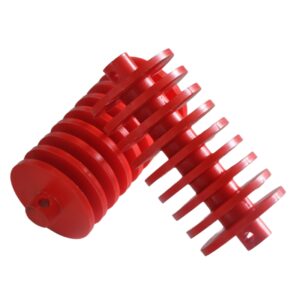
Solid Cast Pig
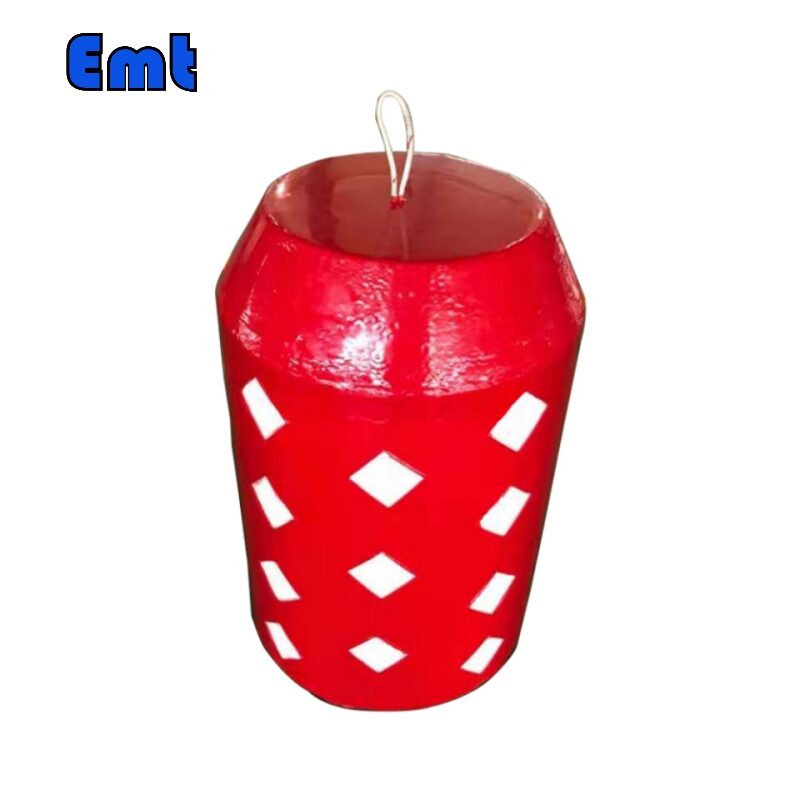
Solid cast pigs offer robust performance for heavy-duty pipeline cleaning. Made from durable materials, they effectively remove tough deposits and scale. These pigs are ideal for applications requiring strength and resilience, ensuring thorough cleaning and enhanced pipeline integrity.
| Name | Customized Foam Pig | ||||
| Material | Polyurethane | ||||
| Light Density | 0.02-0.3g/m3 | ||||
| Medium Density | 0.08-0.12g/m3 | ||||
| Heavy Density | 0.13-0.16g/m3 | ||||
| Feature | 1. High wear resistance | ||||
| 2. Good cleaning performance | |||||
| 3. Low cost | |||||
| Payment | TT/LC | ||||
| Advantage | 1. They are lightweight and flexible. | ||||
| 2. Nice cleaning efficiency. | |||||
| 3. Accurate location tracking. | |||||

Mechanical Pig
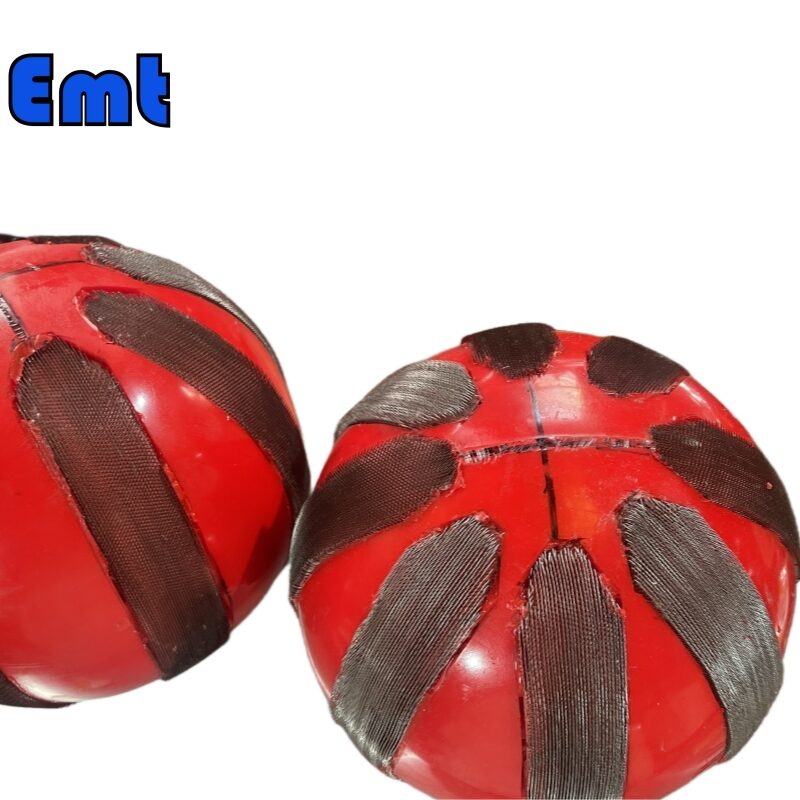
Mechanical pigs, with integrated brushes and blades, provide advanced cleaning solutions. Designed for challenging conditions, they deliver comprehensive cleaning by tackling stubborn debris and buildup. Their precision and efficiency make them essential for maintaining optimal pipeline performance. Mechanical pigs excel in navigating complex pipeline configurations, ensuring thorough cleaning even in difficult-to-reach areas. Their robust construction allows them to withstand high pressures and abrasive materials, making them ideal for heavy-duty applications. By maintaining clear pipelines, they help prevent blockages and improve flow efficiency, reducing downtime and maintenance costs.
| Polyurethane Test Report | ||||
| NO. | TEST PROJECT | UNIT | TEST REPORT | TEST METHOD |
| 1 | Shore hardness | Shore A | 83 | GB/T 531.1-2008 |
| 2 | DIN abrasion | mm3 | 21 | GB/T 53516-1987 |
| 3 | Akron abrasion | cm3 | 0.0518 | GB/T 1689-1998 |
| 4 | 100% stress at definite elongation | MPa | 3.41 | GB/T 528-2009 |
| 5 | 300% stress at definite elongation | MPa | 5.74 | GB/T 528-2009 |
| 6 | Tensile strength | MPa | 51.2 | GB/T 528-2009 |
| 7 | Elongation at break | % | 1263 | GB/T 528-2009 |
| 8 | Tear strength(right angle) | kN/m | 77 | GB/T 529-2008 |
| 9 | Resilience rate | % | 34 | GB/T 1681-2009 |
Applications of Types of Pigs
In the oil and gas industry, different types of pigs are essential for maintaining pipeline integrity. Foam pigs are versatile and used for cleaning and drying, adapting to various pipe sizes. Solid cast pigs provide robust cleaning, effectively removing tough deposits and scale. Mechanical pigs utilize brushes and blades for thorough cleaning in challenging conditions. Intelligent pigs offer advanced inspection capabilities, using sensors to assess pipeline health. Spherical pigs facilitate product separation and cleaning. Together, these types of pigs ensure efficient and safe pipeline operations, catering to diverse maintenance and inspection needs.
Pipeline pigs in the oil and gas industry boast features that enhance maintenance and inspection. They come in various designs, such as foam, solid cast, and mechanical, each tailored for specific tasks like cleaning, drying, or inspecting pipelines. Many pigs feature durable materials that withstand harsh conditions and abrasive deposits. Intelligent pigs include advanced sensors for detailed pipeline assessments, identifying issues like corrosion or leaks. Additionally, their adaptable sizes and designs allow them to navigate complex pipeline configurations efficiently, ensuring optimal flow and system integrity.

Reviews
There are no reviews yet.