
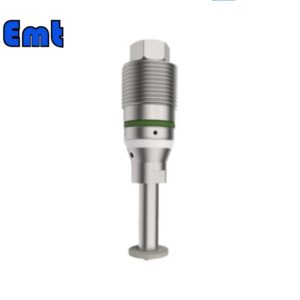
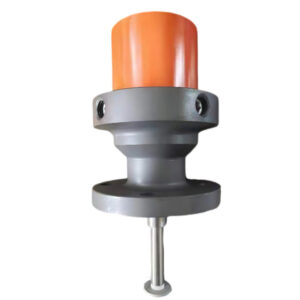
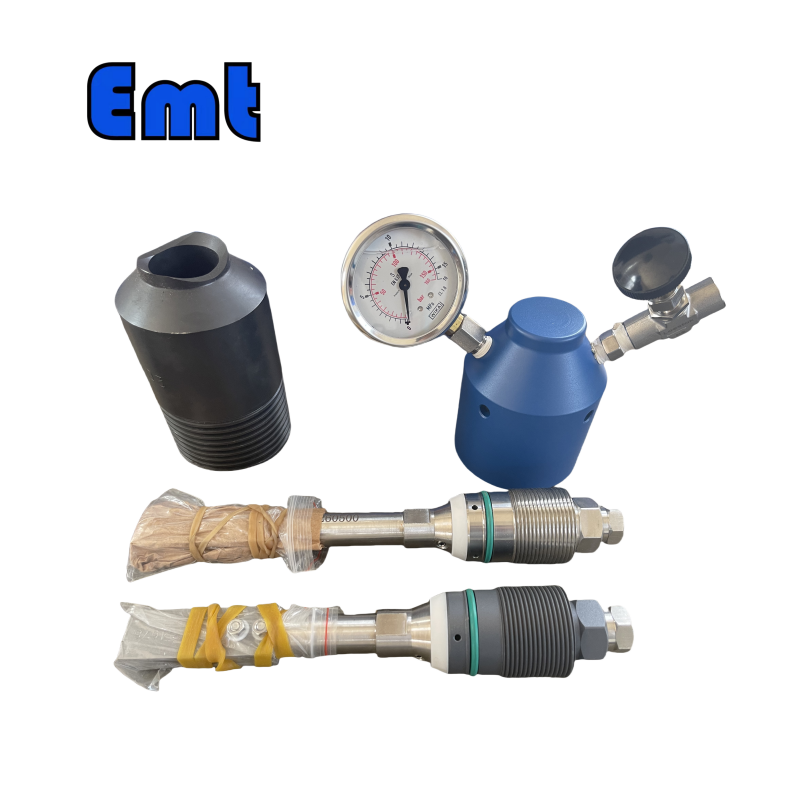
 Corrosion Coupon Holder Assembly
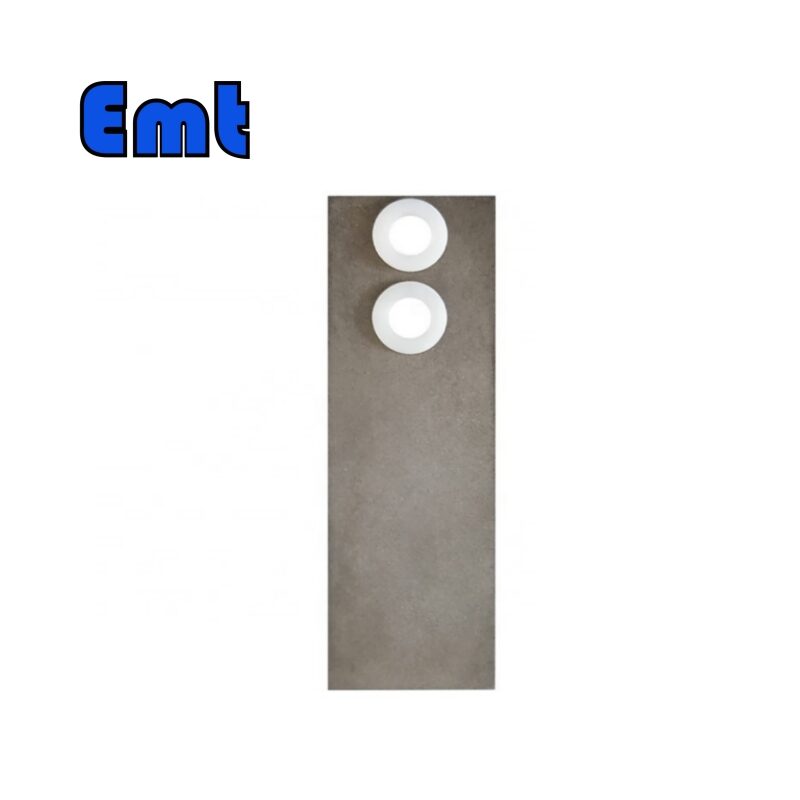
 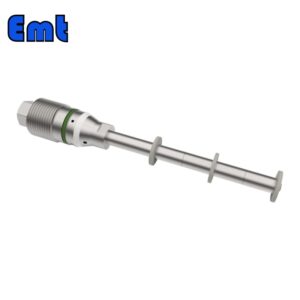 Corrosion Test Coupons
Description
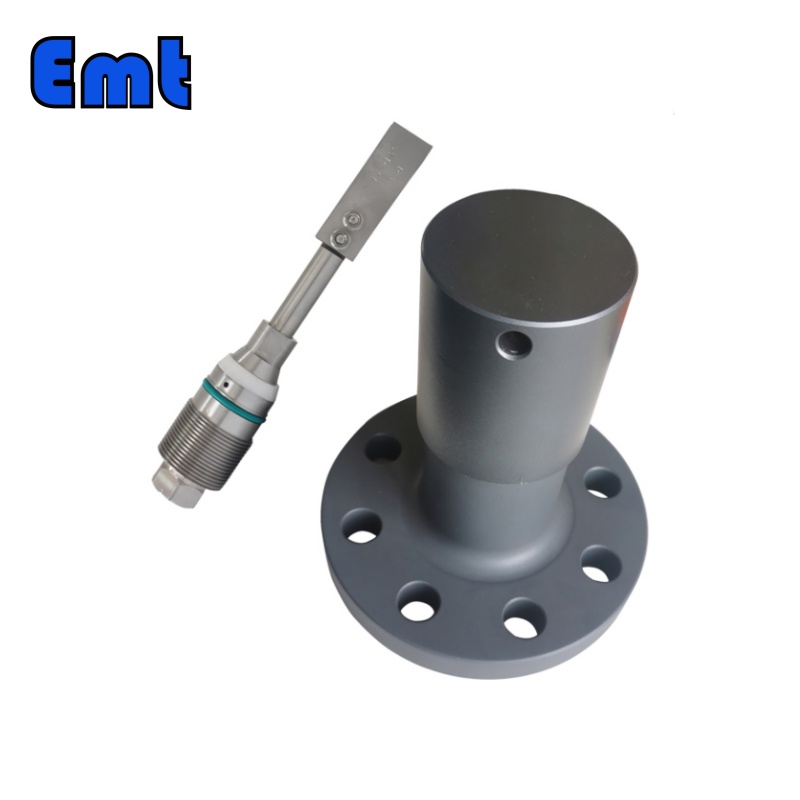
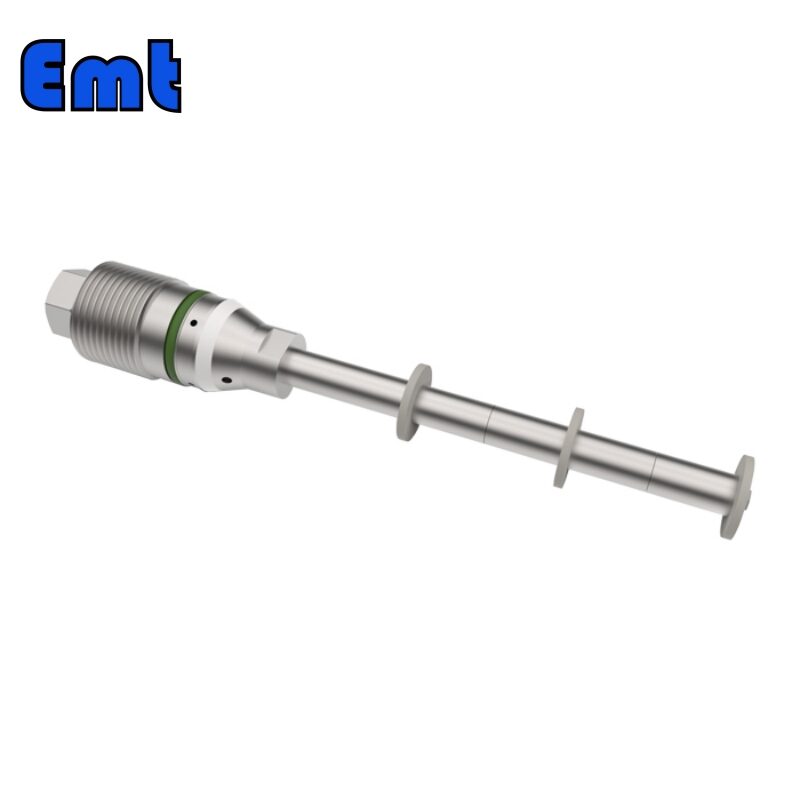
Introduction to Retractable Corrosion Coupon
A retractable corrosion coupon is a specialized device used in pipelines and industrial systems to monitor and measure the rate of corrosion. These coupons are typically small, removable metal strips or rods that are inserted into the pipeline and exposed to the same environmental conditions as the pipeline material. Over time, the coupon undergoes corrosion, which can then be analyzed to determine the corrosion rate and the effectiveness of corrosion inhibitors.
Purpose
The primary purposes of using Retractable Corrosion Coupon are:
- Corrosion Rate Measurement: By comparing the weight of the coupon before and after exposure, the rate of material loss due to corrosion can be calculated.
- Corrosion Inhibitor Evaluation: Coupons help in assessing the effectiveness of corrosion inhibitors or protective coatings applied to the pipeline.
- Environmental Monitoring: They provide data on the corrosive properties of the environment within the pipeline, such as the presence of water, oxygen, or other corrosive agents.
- Safety and Maintenance Planning: Regular monitoring helps in predicting potential failures and planning maintenance activities, thus ensuring the integrity and safety of the pipeline.
Impact of Corrosion on Pipelines
Structural Integrity
Corrosion can seriously damage the structural integrity of the pipeline. As the metal deteriorates, the pipeline’s ability to withstand internal pressures and external forces diminishes. This can lead to:
- Leaks: Small holes or cracks caused by corrosion can result in the leakage of the transported substance, leading to product loss and environmental contamination.
- Ruptures: Severe corrosion can cause catastrophic failures, where a section of the pipeline bursts, posing serious safety hazards.
Flow Efficiency
Corrosion products and scale buildup inside the pipeline can obstruct flow, reducing the efficiency of the transport system. This can result in:
- Increased Pumping Costs: More energy is required to pump the same volume of product through a corroded and constricted pipeline.
- Flow Rate Reduction: Decreased internal diameter due to corrosion can slow down the flow rate, affecting the overall throughput of the pipeline system.
Environmental Impact
Corrosion-induced leaks and ruptures can have devastating effects on the environment, including:
- Soil and Water Contamination: Hazardous substances leaking from pipelines can contaminate soil and groundwater, harming ecosystems and potentially affecting human health.
- Wildlife Harm: Spills can lead to the death of wildlife and the destruction of habitats, especially in sensitive or protected areas.

Understanding Corrosion
Types of Corrosion in Pipelines
Uniform Corrosion
Uniform corrosion occurs evenly across the surface of the pipeline material, resulting in a consistent thinning of the metal. This type is relatively predictable and easier to manage through regular monitoring and maintenance because the corrosion rate is generally uniform.
Galvanic Corrosion
Galvanic corrosion occurs when two different metals are electrically contacted in an electrolyte, causing one metal (the anode) to erode faster than the other (the cathode). This type of corrosion is common in pipelines where different metals are connected, and it can be controlled by isolating the metals or using sacrificial anodes.
Pitting Corrosion
Pitting corrosion is a localized form of corrosion that results in small, but deep, pits or holes in the metal. This type of corrosion can be particularly dangerous because it can lead to rapid penetration of the pipeline wall with minimal overall metal loss, making it difficult to detect and predict.
Crevice Corrosion
Crevice corrosion occurs in confined spaces or crevices, such as gaps between flanges, under gaskets, or at joints. These areas can trap corrosive agents and create a localized environment that accelerates corrosion. This type of corrosion is often more aggressive than uniform corrosion and can lead to significant structural weaknesses.
Intergranular Corrosion
Intergranular corrosion attacks the grain boundaries of the metal, leading to a loss of cohesion between grains. This type of corrosion is typically caused by impurities or improper heat treatment of the metal. It can significantly compromise the mechanical properties of the pipeline, even if the surface appears unaffected.
Stress Corrosion Cracking
Stress corrosion cracking (SCC) is a type of corrosion that occurs under the combined action of tensile stress and corrosive environment. It can lead to the formation of cracks that can spread quickly, potentially leading to sudden and catastrophic failure of the pipe. SCC is of particular concern because it can occur at stress levels well below the yield strength of the material.

Causes of Pipeline Corrosion
Environmental Factors
Environmental factors play a significant role in pipeline corrosion. Soil composition affects corrosion rates. High moisture levels increase the risk. Temperature fluctuations cause thermal expansion and contraction, stressing the metal. Coastal areas expose pipelines to salt, accelerating corrosion. Additionally, buried pipelines face varying degrees of oxygen availability, impacting corrosion rates.
Chemical Factors
Chemical factors also contribute to pipeline corrosion. Chlorides in the environment are highly corrosive. Acids from industrial processes can deteriorate pipeline materials. Hydrogen sulfide, common in oil and gas pipelines, causes sulfide stress cracking. Moreover, aggressive chemicals in transported substances can corrode the interior surfaces. Reaction with pipeline materials can form corrosive compounds, exacerbating the issue.
Mechanical Factors
Mechanical factors influence pipeline corrosion as well. Physical damage from external impacts exposes metal to corrosive elements. Vibration from nearby machinery causes fatigue and cracks. Stress from overburden pressure or ground movement can accelerate corrosion. Improper welding or material defects create weak points. Additionally, cyclic loading and unloading generate stress corrosion cracking.

Reviews
There are no reviews yet.