
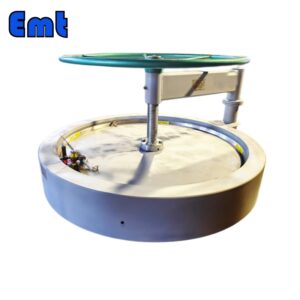
 Pressure Vessel Quick Opening Closure
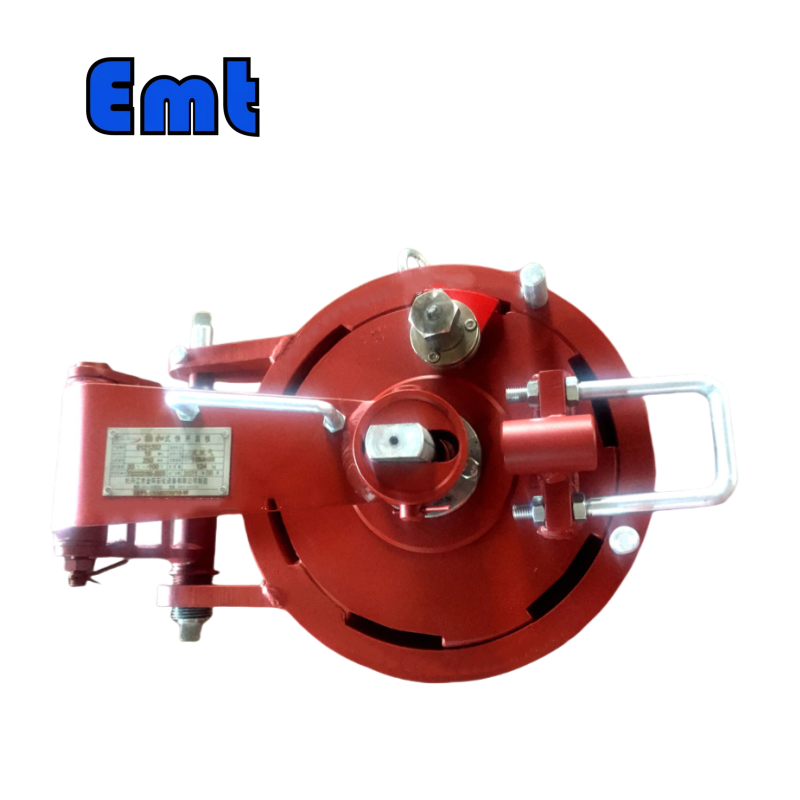
Description
1. Introduction
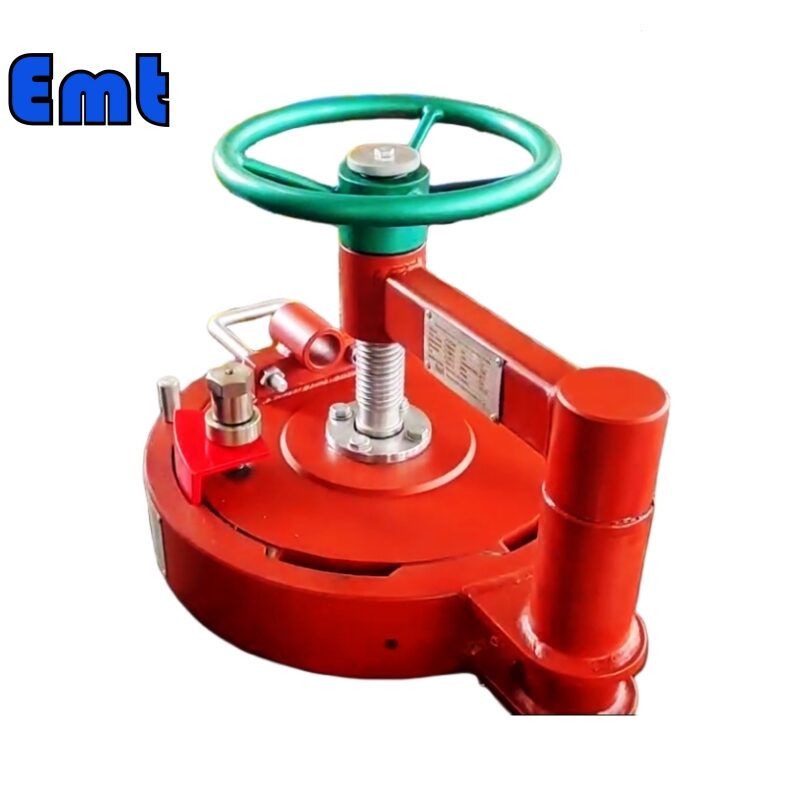
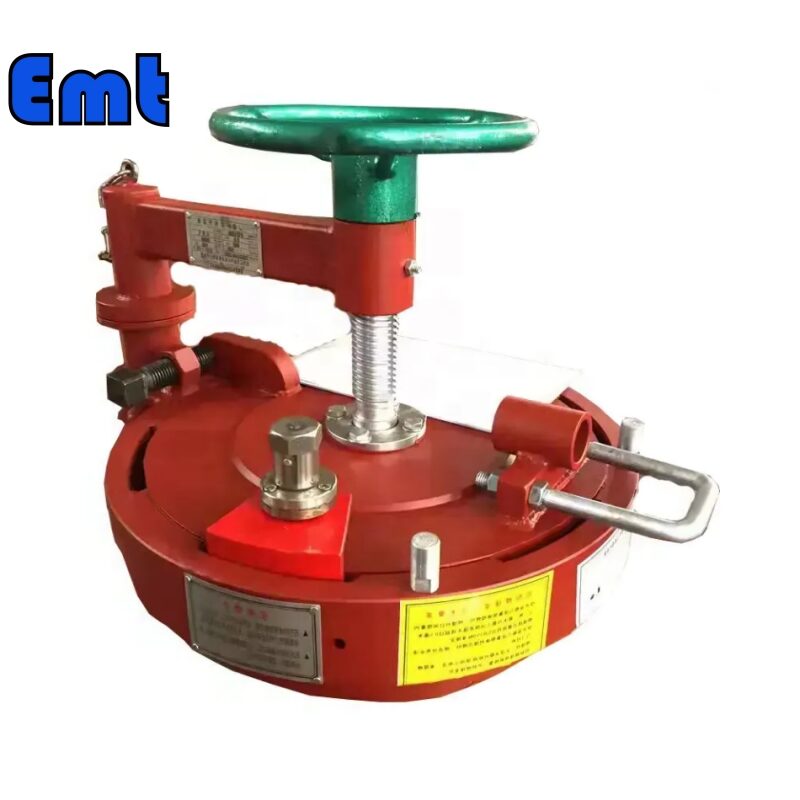
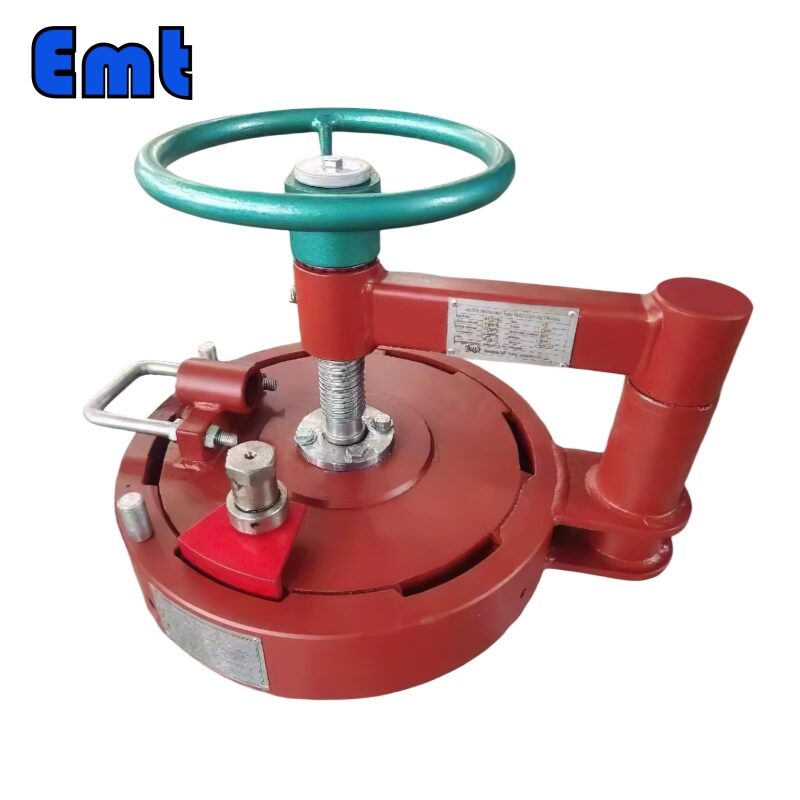
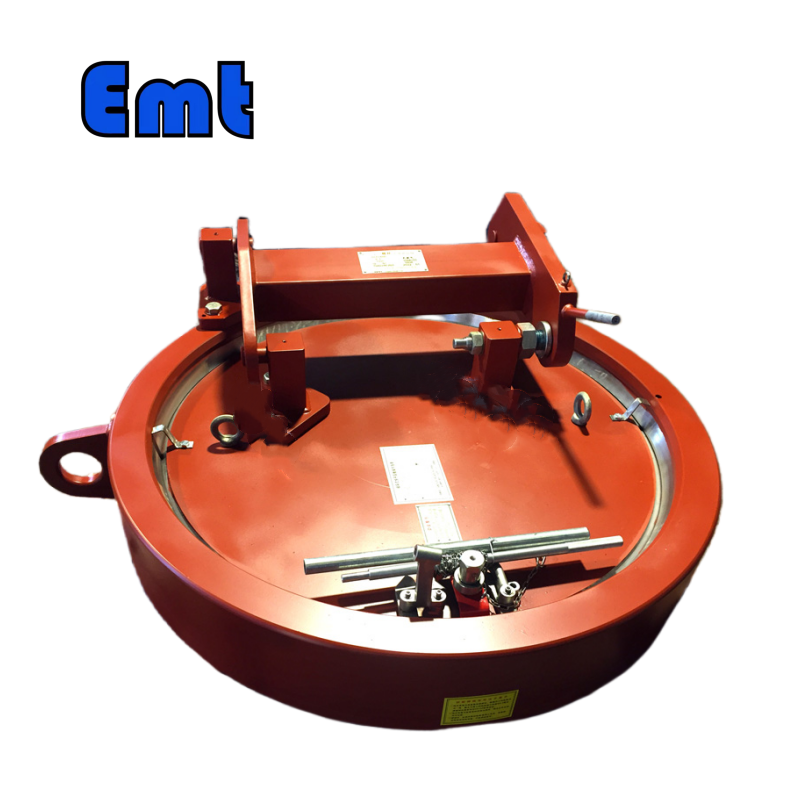
pressure vessel closure plays a pivotal role in the safety and efficiency of various industrial applications. These components are specifically designed to seal off vessels that operate under high pressure. It is crucial for industries such as chemical processing, oil and gas, power generation, and more. Their design and robustness ensure that the contents of vessels are securely contained, preventing leaks and maintaining integral system pressure. Key features of pressure vessel closures include their versatile installation options, size and pressure compatibility, superior material strength, and advanced sealing capabilities. All of which are tailored to meet diverse operational demands and regulatory standards.
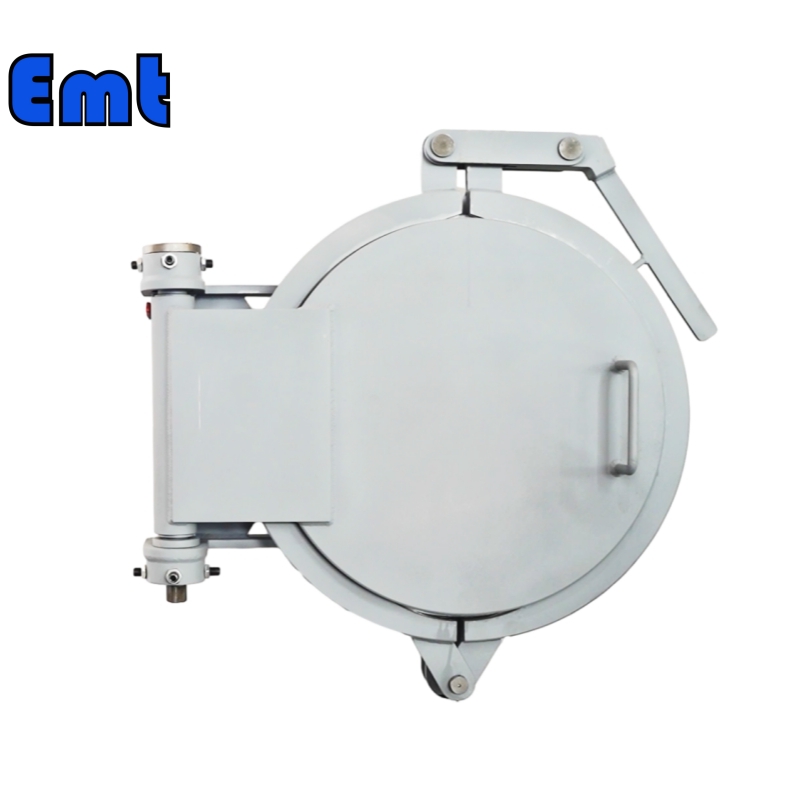
2. Adaptable Installation Options
Pressure vessel closure is engineered to be installed in multiple orientations, including both vertical and horizontal configurations. This adaptability allows for:
- Flexibility in Design: Facilities can design systems without the constraint of closure orientation, enabling more efficient use of available space and integration into existing structures.
- Ease of Maintenance: The ability to install closures in various ways facilitates easier access for inspection, maintenance, and repairs, reducing downtime and labor costs.
- Optimized System Integration: Adaptable installation supports better alignment with system piping and equipment, enhancing overall system functionality and performance.
The impact on system integration and space utilization is significant, as these flexible installation options allow for more compact system designs and can accommodate site-specific constraints, maximizing the efficiency of industrial operations.
3. Wide Range of Sizes and Pressure Compatibility
Pressure vessel closures is available in a comprehensive range of sizes, typically from DN 150 to DN 1800. It ensures a fit for pipelines and vessels of almost any diameter used in industrial applications. This size variety is complemented by:
- Pressure Ratings: These closures are designed to withstand pressures up to ASME #1500. It makes them suitable for high-pressure applications that are common in many sectors.
- Industry Specific Solutions: Whether it’s handling the large volume and low pressure of municipal water systems or the high-pressure demands of oil and gas processing plants, the availability of different sizes and pressure ratings allows these closures to be tailored to specific industry needs and regulatory requirements.
The capability to choose from a wide array of sizes and withstand varying pressures makes these closures highly versatile and essential for maintaining the safety and integrity of industrial piping systems and pressure vessels. This adaptability not only meets the technical and safety requirements but also ensures that industries can achieve optimal performance while adhering to stringent industry standards and regulations.
4. High-Strength Materials and Durability
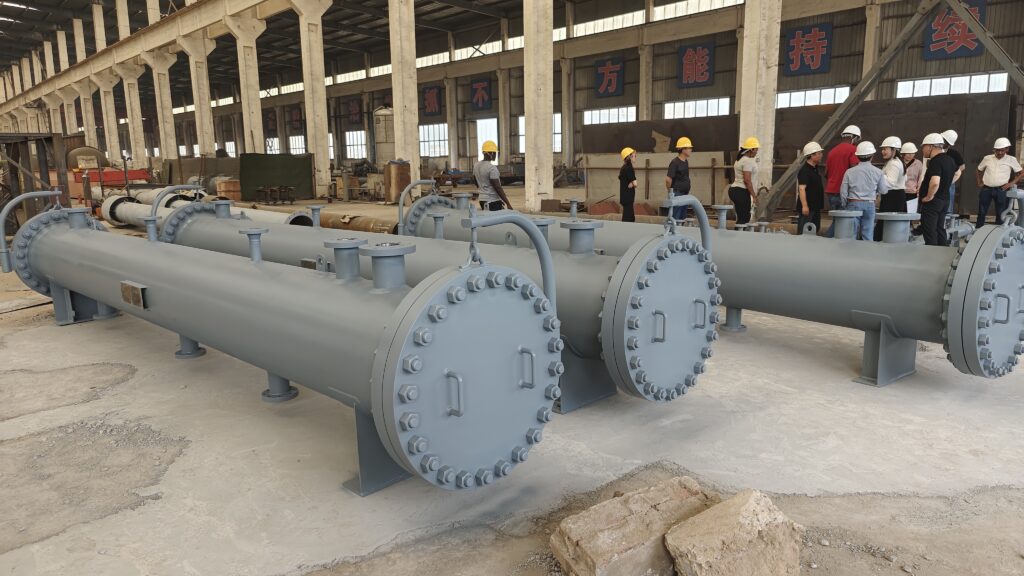
Pressure vessel closure is typically manufactured using robust materials like SA 350 LF2. A low alloy steel known for its toughness and low-temperature properties, and various grades of stainless steel, which offer excellent corrosion resistance. These materials are selected for their:
- Durability: Both SA 350 LF2 and stainless steel are highly durable under a wide range of temperatures and pressures. Which is crucial for the longevity of the closures in harsh environments.
- Resistance to Environmental Challenges: Stainless steel variants, in particular, resist oxidation and degradation even in aggressive environments. Such as those with high salinity or acidity. This resistance is vital for industries like oil and gas, which often encounter corrosive substances.
- Extended Lifespan and Reduced Maintenance: The strength and environmental resistance of these materials minimize the need for frequent replacements and repairs, also reducing downtime and maintenance costs over the life of the facility.
So the choice of high-strength, durable materials directly influences the operational lifespan and reliability of pressure vessel closures. It ensures they can withstand the rigors of industrial use without frequent maintenance.
5. Applications in Industry
Pressure vessel closure is integral to several industries, including:
- Chemical Processing: In this industry, closures must withstand corrosive substances and extreme pressures. For example, a chemical plant might use these closures to ensure safe containment of reactive gases.
- Oil and Gas: Here, closures are used in both upstream and downstream activities. They must endure the harsh environments of extraction sites and the high-pressure conditions of refineries.
- Water Treatment: Closures in water treatment plants help maintain the integrity of vessels that are critical for filtering and purifying water at high volumes.
Case Study: In an oil refinery, a pressure vessel closure equipped with a seal was used on a reactor. Despite high pressures and exposure to corrosive gases, the seal maintained its integrity, preventing any hazardous leaks and contributing to the plant’s continuous, safe operation.
Impact on Operational Safety and Efficiency: The robustness of these closures ensures that industries can operate safely and efficiently. By preventing leaks and withstanding harsh conditions, the closures help maintain system integrity, reduce operational costs, and comply with safety regulations, thereby enhancing overall industrial productivity and safety.
Pressure vessel closures are indispensable in maintaining the safety and efficiency of industrial operations. Their robust design and superior sealing capabilities ensure that even under extreme conditions. The integrity of pressure systems is maintained, preventing hazardous leaks and potential accidents. So the versatility in installation and the broad range of sizes and materials make these closures adaptable to various industrial applications. It also ensures they can meet specific operational demands and comply with strict safety standards.
Reviews
There are no reviews yet.