


Description
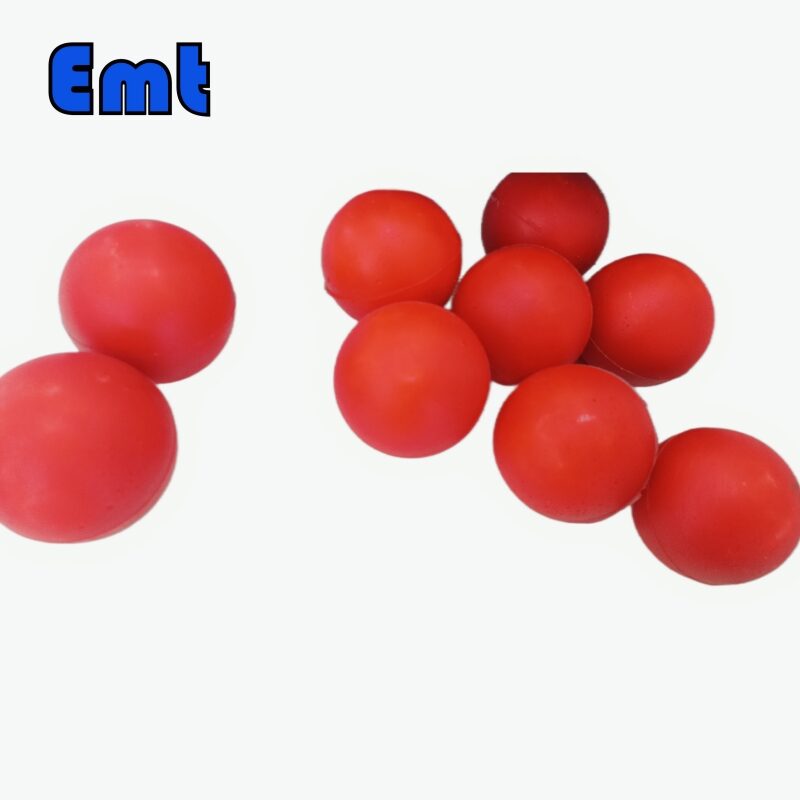
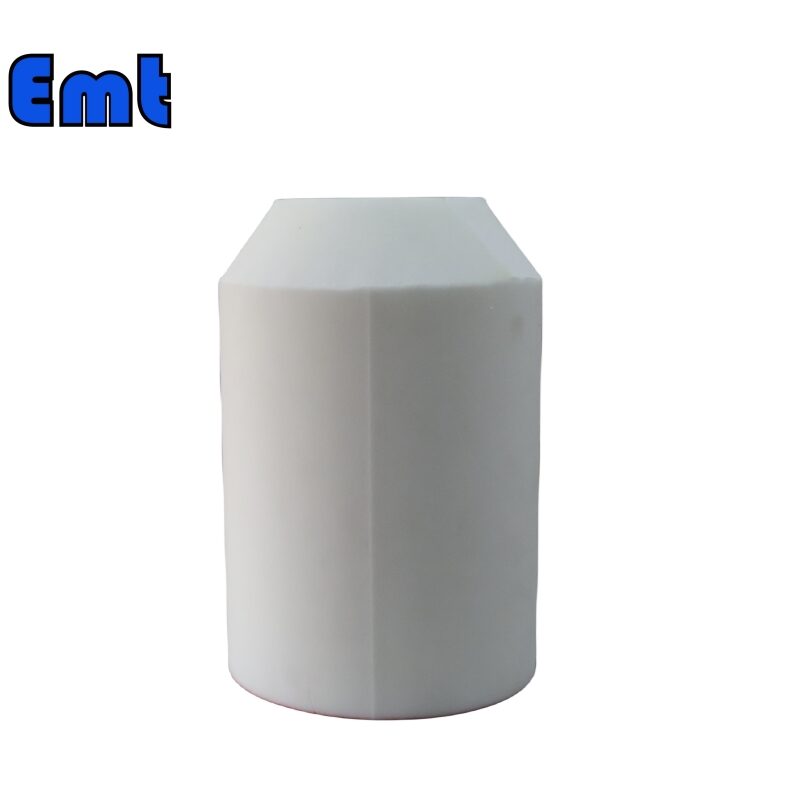
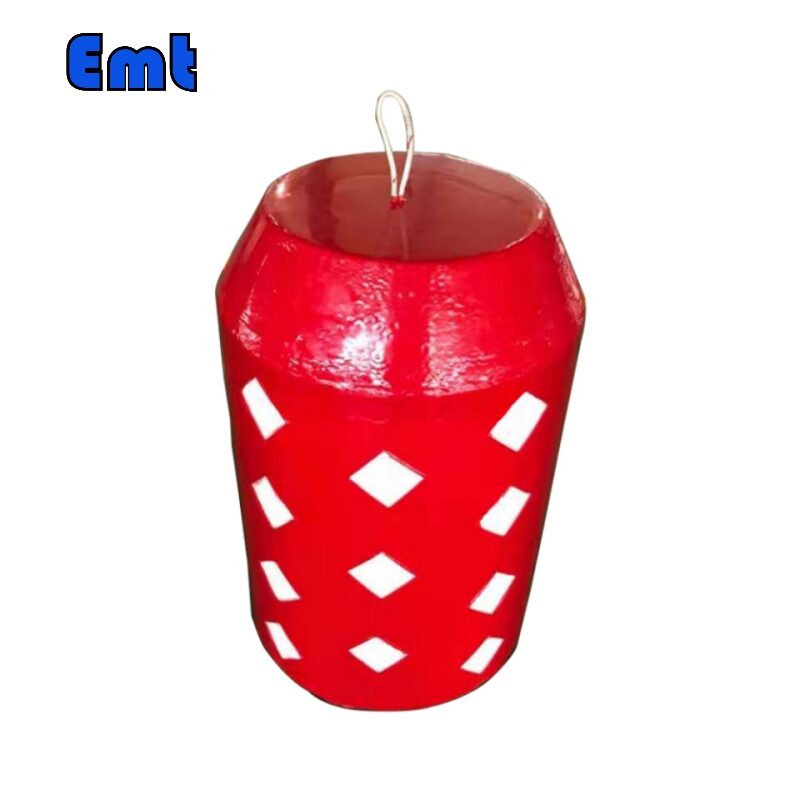
Polyurethane pigs have a wide range of applications in piping systems. They are essential for cleaning pipelines by removing debris and deposits. Operators in the oil and gas industry use them for routine maintenance tasks. Additionally, they help in commissioning new pipelines by clearing construction residues.
In water treatment facilities, polyurethane pigs clean and maintain water distribution lines. They effectively remove biofilm and mineral deposits, ensuring a clean water supply. Furthermore, they aid in batching operations by separating different products within a pipeline. This prevents cross-contamination and maintains product integrity.
Chemical processing plants rely on polyurethane pigs for cleaning process lines. They effectively remove residual chemicals, preventing contamination and ensuring product quality. Similarly, power plants use these pigs to clean and maintain condenser tubes. This, in turn, improves heat transfer efficiency and reduces energy consumption.
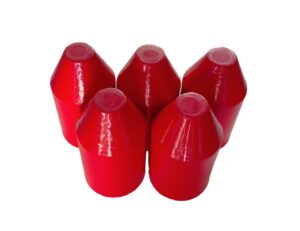
Features of Polyurethane Pig
Polly-Pigs feature a specialized concave base plate, effectively coated with a 90A durometer polyurethane. This coating offers a significant rear sealing surface for the propelling forces of the fluids or gases. Operators mostly employ standard swabs or bare pigs, with only the base plates covered in polyurethane, for drying or batching operations.
Alternatively, they use special double-nose or double-dished pigs for bi-directional services. They typically cover the exterior of these foam bodies with criss-cross-type spirals of 90A durometer polyurethane. The spiral design provides added strength and enhances the wiping and scraping action, compared to bare foam. Polly-Pigs’ polyurethane coating can be customized to your specific application needs, and come in sizes from 1/8″ to 1″ in diameter. We also offer a complete line of Polly-Pigs accessories, such as wire guides, drain plugs, and lanyards. Why not request a Polly-Pig sample today and see for yourself just how effective these pigs can be in your application?
Parameters of Poly Pigs
| Polly Foam Pig | LCQZ-RTR | 1. Its interior is foamed by polyurethane material. The surface is coated with a polyurethane elastomer coating. | Starting pressure: 0.02 MPa |
| 2. Good flexibility and certain wear resistance. | Density: 35 kg/m³~220 kg/m³ | ||
| 3. The deformation amount can reach 50%, which is the most widely used foam pig. | Withstand pressure: 7 MPa | ||
| 4. Used for scrubbing, descaling, and fluid isolation of pipes. | Stretch rate: 320% | ||
| Compression ratio: 50 | |||
| Flex life: 50,000 times | |||
| Attrition rate: 2 mm/100 km | |||
| Operating distance: 100 km~300 km |
The Riston Province, where Cordu was located, and the neighboring provinces of Aulay and Suhit were located in the south of the Intis Republic. They were famous grape producers, and the wine here, especially the inferior ones, was very cheap. In some years, people could even drink wine like water.
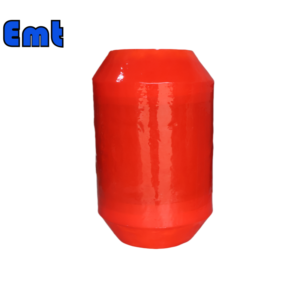
Features of the Polyurethane Pig
| Name | Customized Foam Pig | ||||
| Material | Polyurethane | ||||
| Light Density | 0.02-0.3g/m3 | ||||
| Medium Density | 0.08-0.12g/m3 | ||||
| Heavy Density | 0.13-0.16g/m3 | ||||
| Feature | 1. High wear resistance | ||||
| 2. Good cleaning performance | |||||
| 3. Low cost | |||||
| Payment | TT/LC | ||||
| Advantage | 1. They are lightweight and flexible. | ||||
| 2. Nice cleaning efficiency. | |||||
| 3. Accurate location tracking. | |||||
There are three different density intervals for poly pigs. For example, there are light density, medium density, and high density. Light-density poly pigs are softer and more easily pass bent pipes. While high-density pigs have better cleaning effects. Different Polyurethane Pig has different working effects. They can also be customized to add some accessories like brushes an so on.
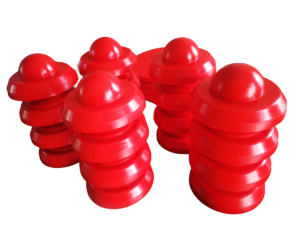
Polyurethane Test Report
| Polyurethane Test Report | ||||
| NO. | TEST PROJECT | UNIT | TEST REPORT | TEST METHOD |
| 1 | Shore hardness | Shore A | 83 | GB/T 531.1-2008 |
| 2 | DIN abrasion | mm3 | 21 | GB/T 53516-1987 |
| 3 | Akron abrasion | cm3 | 0.0518 | GB/T 1689-1998 |
| 4 | 100% stress at definite elongation | MPa | 3.41 | GB/T 528-2009 |
| 5 | 300% stress at definite elongation | MPa | 5.74 | GB/T 528-2009 |
| 6 | Tensile strength | MPa | 51.2 | GB/T 528-2009 |
| 7 | Elongation at break | % | 1263 | GB/T 528-2009 |
| 8 | Tear strength(right angle) | kN/m | 77 | GB/T 529-2008 |
| 9 | Resilience rate | % | 34 | GB/T 1681-2009 |
Importance of Polyurethane Pigs
Poly pigs play a crucial role in maintaining pipeline efficiency and safety. Industries use them to clean pipelines by removing debris and deposits. This ensures unobstructed flow and prevents blockages. In the oil and gas sector, poly pigs perform routine maintenance tasks. They also help during commissioning by clearing construction residues. Water treatment facilities rely on poly pigs to clean distribution lines. This removes biofilm and mineral deposits, ensuring a clean water supply.
Additionally, poly pigs aid in batching operations by separating different products. This prevents cross-contamination and maintains product integrity. Chemical processing plants also use poly pigs to clean process lines. They effectively remove residual chemicals, ensuring product quality. Power plants benefit from poly pigs in cleaning condenser tubes. This improves heat transfer efficiency and reduces energy consumption. Furthermore, poly pigs assist in pipeline inspections. They carry tools that provide valuable data on pipeline conditions. This helps in preventive maintenance and early issue detection. Overall, poly pigs enhance the efficiency, safety, and longevity of pipelines. Finally, their versatility and reliability make them indispensable across various industries.
Reviews
There are no reviews yet.