
 Chemical Quill
Description
Polyurethane Foam Pig Introduction
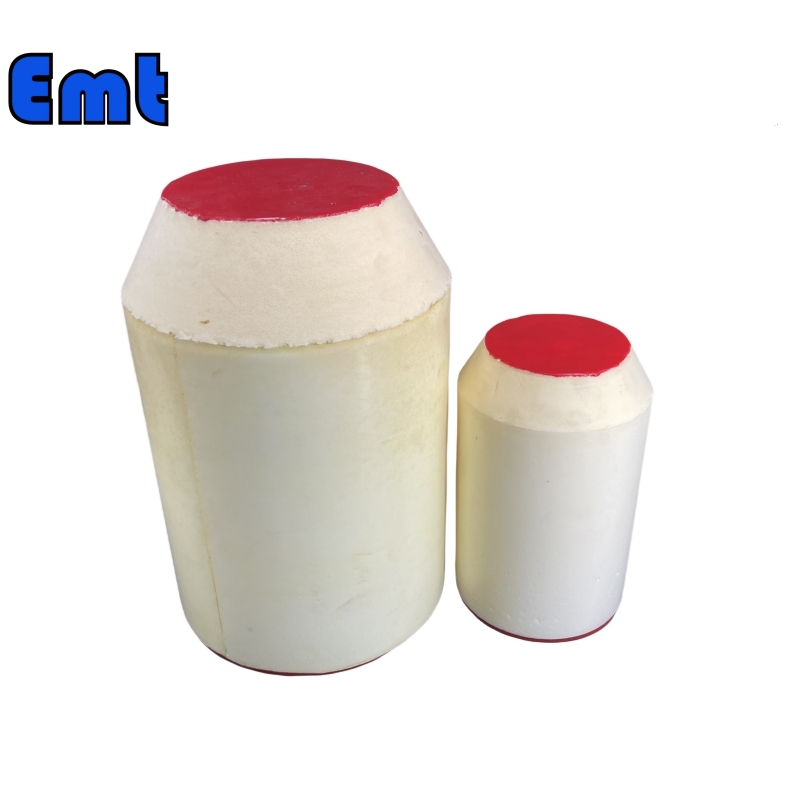
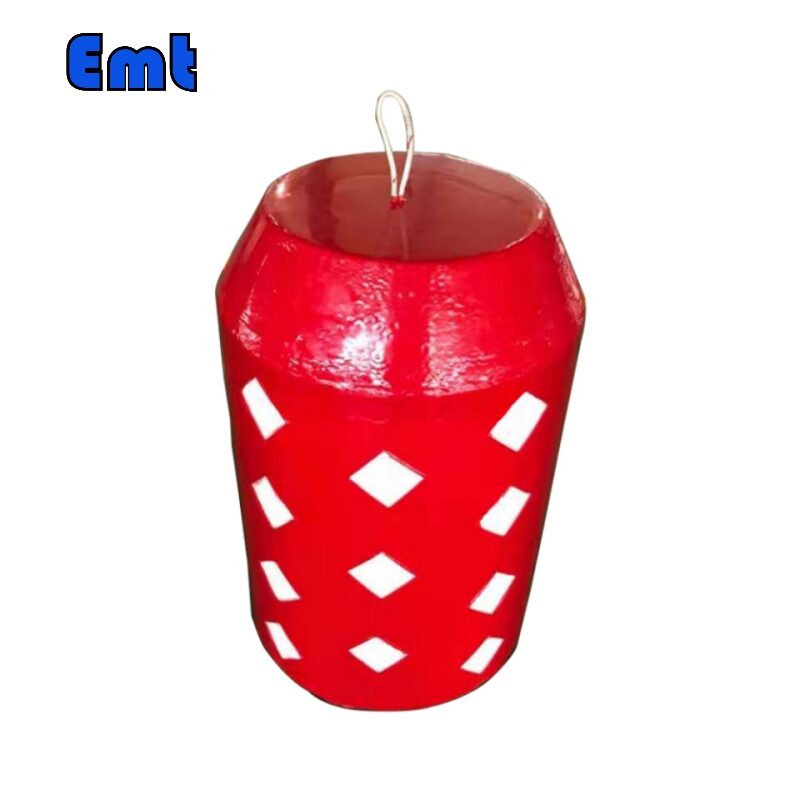
A polyurethane foam pig is a cylinder made of foam rubber or foam with a conical head. The tailored surface is cross-wound and coated with various wear-resistant scraping materials. Its material is soft and flexible. Therefore, it is easy to pass through a bend with a small radius of curvature. Generally used for pipeline first pigging. In addition, the pig is not easily stuck. But because it’s soft, it breaks easily. Pipeline jams are like traffic jams in human society, which should be avoided with all efforts.
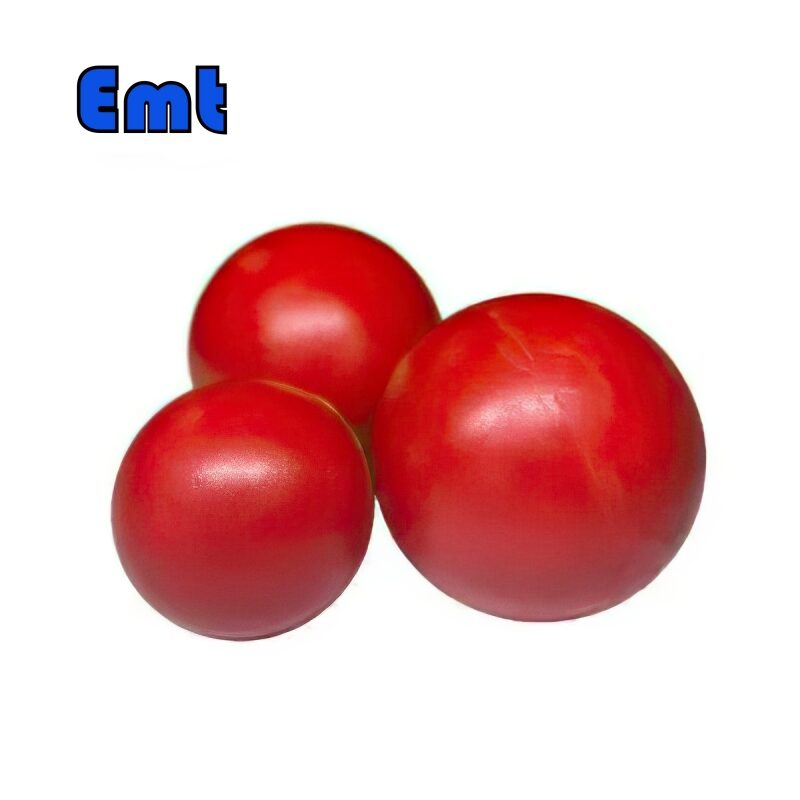
There are two types of standard foam pipeline pigs. One type comes from processed sponge-like materials. The other type comes from polyurethane molded by machines.
Sponge pigs have simple processing and lower prices. They also absorb water well. However, they break easily and only work well over short distances.
Polyurethane foam pigs have precise sizes from molds and wear well. They work well over long distances. But they cost more than sponge foam balls.
Overall, foam pipeline cleaners have more benefits than standard cleaners. They offer good value and work well for long-term use.
Choose the Interference
When choosing the oversize amount for different pipeline cleaners, here are some guidelines:
Water-filled cleaning balls should exceed the pipe diameter by 3% to 10%.
Foam pipeline cleaners should have an excess of 3% to 5%.
Cup-type cleaners should exceed by 3% to 10%.
The guide disks for mechanical steel brushes and gauging balls should be 99% of the pipe’s inner diameter.
Sealing disks should exceed the diameter by 3% to 10%.
When planning a cleaning operation, you should select the oversize based on historical data and the actual conditions. If you choose the wrong oversize, you might not only fail to achieve proper cleaning but also risk compacting the scale. This can have negative effects and increase the difficulty of thoroughly cleaning the pipeline later.
Foam Pipeline Pigs Work In Various Types of Pipelines.
For operating natural gas pipelines, they remove water buildup, light oil, methane hydrates, iron oxides, carbide dust, carbon disulfide, and hydrogen sulfide. These substances can corrode the inside of the pipeline. The cleaners also help redefine the pipeline’s route, check for any deformations, inspect the condition of valves along the line, and reduce back pressure.
For operating crude oil pipelines, they clean the inside of the pipeline before inspections and during intermittent low-flow operations. They remove condensed oil, wax, and scale to lower back pressure, reduce friction, and decrease the temperature of the oil being transported.
For water injection pipelines, they are useful for removing limescale and sediments.
Polyurethane Test Report | ||||
| NO. | TEST PROJECT | UNIT | TEST REPORT | TEST METHOD |
| 1 | Shore hardness | Shore A | 83 | GB/T 531.1-2008 |
| 2 | DIN abrasion | mm3 | 21 | GB/T 53516-1987 |
| 3 | Akron abrasion | cm3 | 0.0518 | GB/T 1689-1998 |
| 4 | 100% stress at definite elongation | MPa | 3.41 | GB/T 528-2009 |
| 5 | 300% stress at definite elongation | MPa | 5.74 | GB/T 528-2009 |
| 6 | Tensile strength | MPa | 51.2 | GB/T 528-2009 |
| 7 | Elongation at break | % | 1263 | GB/T 528-2009 |
| 8 | Tear strength(right angle) | kN/m | 77 | GB/T 529-2008 |
| 9 | Resilience rate | % | 34 | GB/T 1681-2009 |
Parameters of Foam Pig
Pipeline cleaning effectively removes impurities inside pipes, slows down internal corrosion, and reduces friction. It also lowers the energy needed for transporting oil, clears water collected in low areas, and helps prevent accidents. Currently, there are many types of pipeline cleaners available, each suited for different conditions and functions. Therefore, before starting a cleaning operation, you should choose the right cleaner based on the type of pipeline, its condition, and your cleaning goals. This way, you can achieve efficient cleaning results.
| Name | Model | Performance | Technical Parameters |
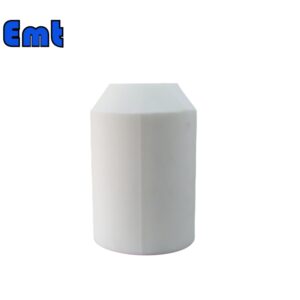
| Bare Foam Pig | LCQZ-RTN | 1. Soft texture and good flexibility. | Starting pressure: 0.02 MPa |
| 2. With strong water absorption, the deformation amount can reach 60%. | Density: 35 kg/m³~220 kg/m³ | ||
| 3. Used for dewatering, cleaning, and drying pipelines. | Withstand pressure: 7 MPa | ||
| Stretch rate: 320% | |||
| Compression ratio: 60 | |||
| Flex life: 50,000 times | |||
| Attrition rate: 4 mm/100 km | |||
| Operating distance: 50 km~150 km | |||
| Operating temperature: -30℃~100℃ | |||
| Name | Model | Performance | Technical Parameters |
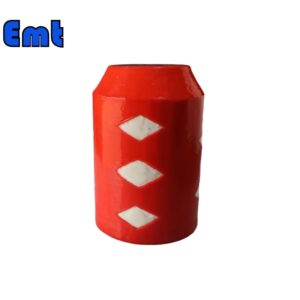
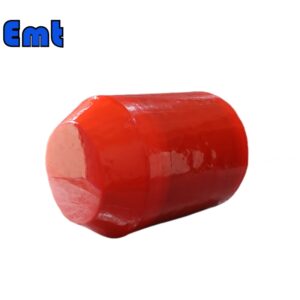
| Polly Foam Pig | LCQZ | 1. Polyurethane material foams its interior. A polyurethane elastomer coating covers the surface. | Starting pressure: 0.02 MPa |
| 2. Good flexibility and certain wear resistance. | Density: 35 kg/m³~220 kg/m³ | ||
| 3. The deformation amount can reach 50%. | Withstand pressure: 7 MPa | ||
| 4. Used for scrubbing, descaling, and fluid isolation of pipes. | Stretch rate: 320% | ||
| Compression ratio: 50 | |||
| Flex life: 50,000 times | |||
| Attrition rate: 2 mm/100 km | |||
| Operating distance: 100 km~300 km | |||
| Name | Model | Performance | Technical Parameters |
| Crisscross Foam Pig | LCQZ-RTCC | 1. The interior is foamed by polyurethane material. And the surface is covered with a prismatic block polyurethane elastomer. | Starting pressure: 0.02 MPa |
| 2. High surface hardness and large friction coefficient. | Density: 35 kg/m³~220 kg/m³ | ||
| 3. Has high elasticity and toughness. | Withstand pressure: 7 MPa | ||
| 4. Used for pipeline cleaning, cleaning, and cleaning impurities. | Stretch rate: 320% | ||
| Compression ratio: 50 | |||
| Flex life: 50,000 times | |||
| Attrition rate: 2 mm/100 km | |||
| Operating distance: 100 km~300 km |

Reviews
There are no reviews yet.