
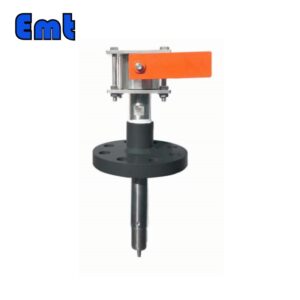
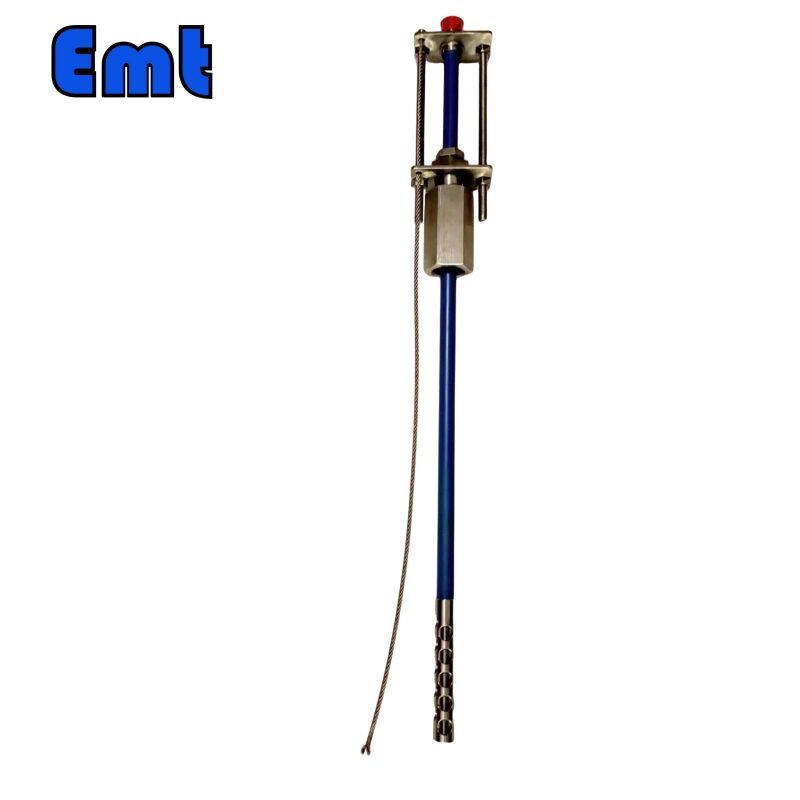
 Intrusive Pig Signaller
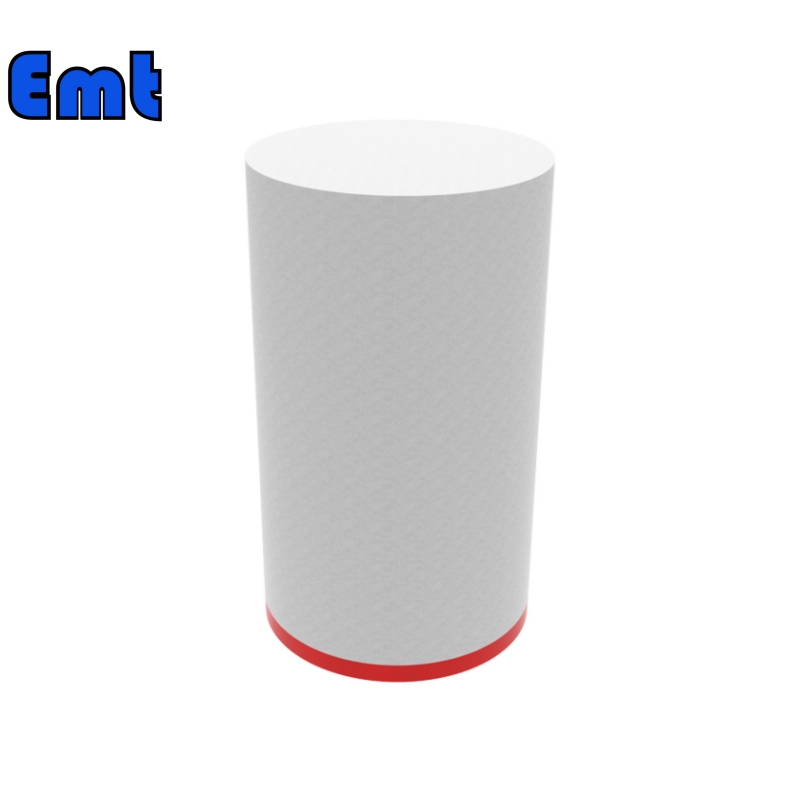
Description

Applications of Pipeline Cleaning Foam
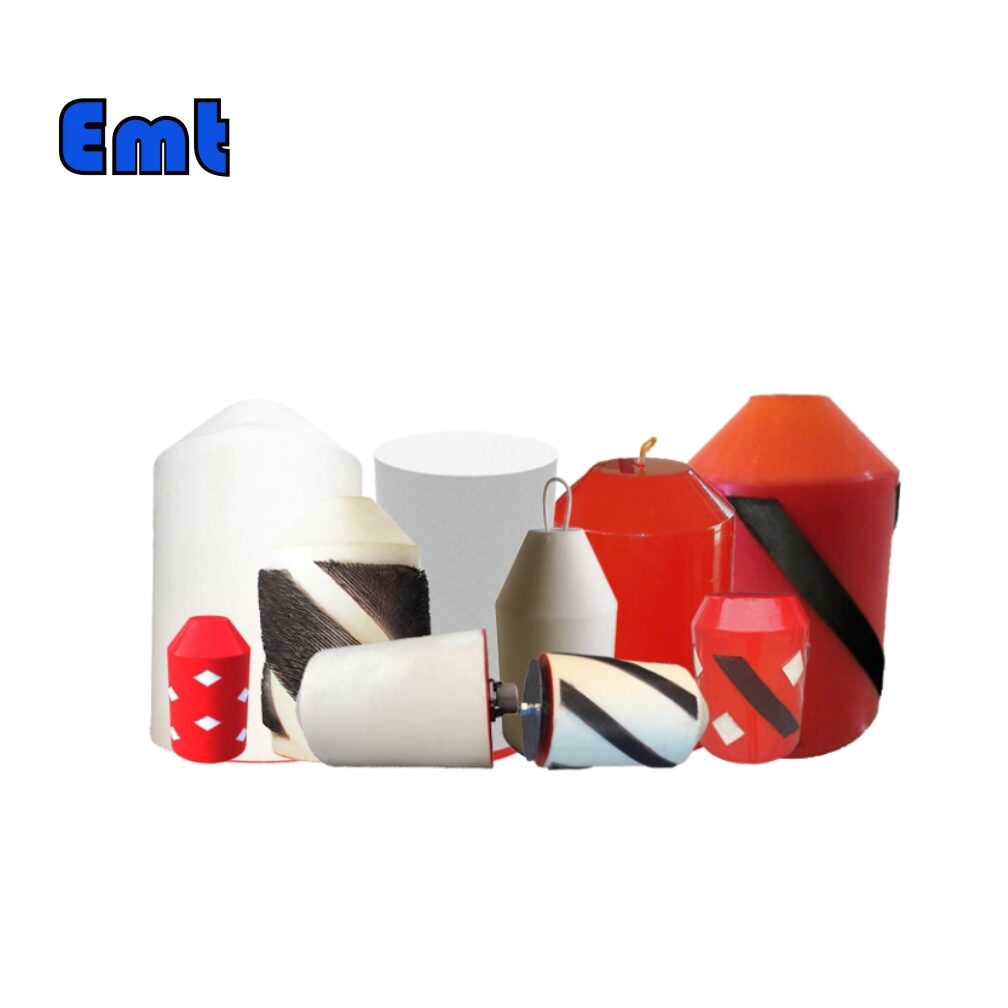
Pipeline Cleaning Foam is an important tool for pipe cleaning and maintenance. As a pipe cleaning device, foam pig has a wide range of uses and a low price. Foam pipe cleaners can be used for drying, cleaning, batching, and removing products from pipes in industries such as petrochemical, chemical, water treatment, food, and beverage manufacturers. They are cylindrical devices made of durable foam material that comes in different sizes, shapes, and densities depending on the specific needs of the pipe. These pigs are inserted into the pipe and pushed through fluid pressure to remove any debris or buildup on the inner wall.
Foam pigs are used in all the different stages of production, from pipeline construction to operation, inspection, refurbishment, and decommissioning. Its lightweight flexibility allows it to accommodate simple and uncommon pipes, valves, and fittings.
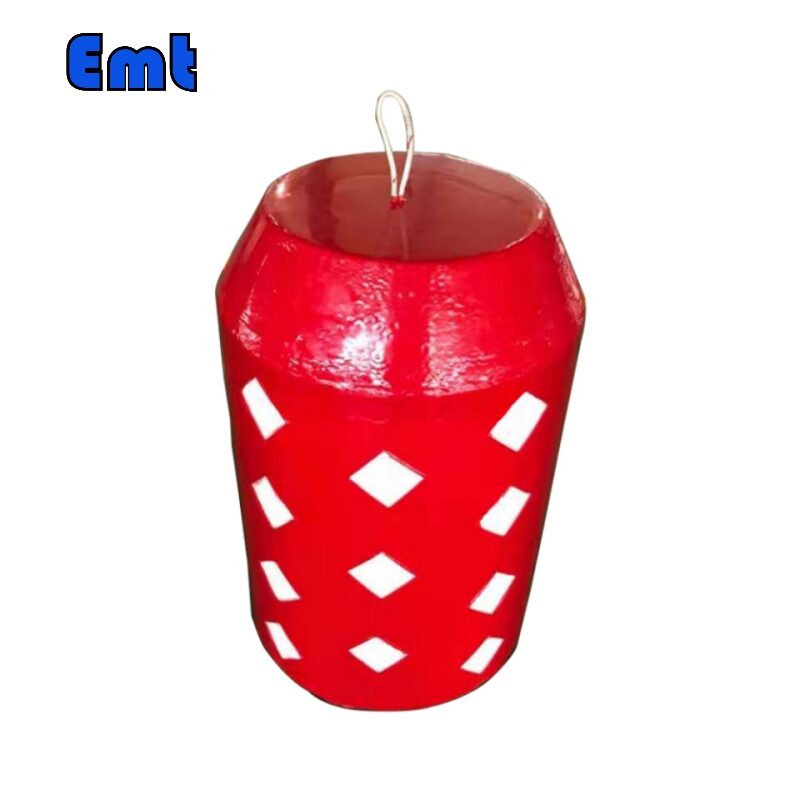
Foam pigs are made of industry-standard polyurethane density foam with densities ranging from 2 to 10 LBS/m3 and diameters ranging from 2 inches to 72 inches. Various configurations are available to meet specific needs. Everything from naked pigs to pigs with special coating patterns (full coating, flip pattern, or single spiral) to pigs with double snouts and double plates. In addition, there are different types of handling or pulling cables or ropes, transmitter cavities, bypass jets, etc.
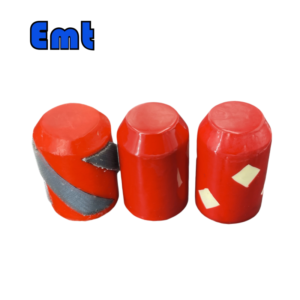
Features of Cleaning Foam
- High elasticity
- Uniform surface structure
- Low viscosity
- Low compression device
- High resistance to hydrolysis
| Polyurethane Test Report | ||||
| NO. | TEST PROJECT | UNIT | TEST REPORT | TEST METHOD |
| 1 | Shore hardness | Shore A | 83 | GB/T 531.1-2008 |
| 2 | DIN abrasion | mm3 | 21 | GB/T 53516-1987 |
| 3 | Akron abrasion | cm3 | 0.0518 | GB/T 1689-1998 |
| 4 | 100% stress at definite elongation | MPa | 3.41 | GB/T 528-2009 |
| 5 | 300% stress at definite elongation | MPa | 5.74 | GB/T 528-2009 |
| 6 | Tensile strength | MPa | 51.2 | GB/T 528-2009 |
| 7 | Elongation at break | % | 1263 | GB/T 528-2009 |
| 8 | Tear strength(right angle) | kN/m | 77 | GB/T 529-2008 |
| 9 | Resilience rate | % | 34 | GB/T 1681-2009 |
Foam pigging appliances have several significant advantages that make them very effective when it comes to pipe cleaning and maintenance. Their high elasticity enables them to pass through pipes of different diameters and complex geometry, ensuring thorough cleaning. The uniform surface structure of the foam pig ensures consistent contact with the pipe wall and improves cleaning efficiency. In addition, their low viscosity allows them to pass smoothly through pipes, reducing the risk of clogging. The foam pig also benefits from a low-compression device that minimizes wear during operation. In addition, their high resistance to hydrolysis ensures durability and service life, even in harsh environments where they may be exposed to water or other fluids. These characteristics make foam pig a reliable and efficient choice for maintaining pipeline integrity.
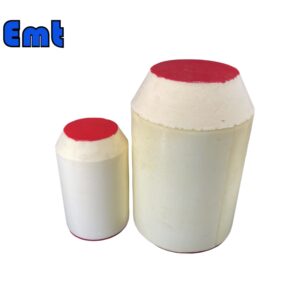
Parameters
| Name | Model | Performance | Technical Parameters |
| Pipeline Cleaning Foam | LCQZ-RTH | 1. It is formed by one-time foaming of polyether polyurethane material. | Starting pressure: 0.2-0.3 MPa |
| 2. Soft texture, and good elasticity. | Density: 35 kg/m³~150 kg/m³ | ||
| 3. It has strong water absorption performance. And the deformation amount can reach 70%. | Withstand pressure: 7 MPa | ||
| 4. Remarkable effect on dewatering, degreasing, and drying of pipelines. | Stretch rate: 320% | ||
| Compression ratio: 60 | |||
| Flex life: 50,000 times | |||
| Attrition rate: 4 mm/100 km | |||
| Operating distance: 50 km~150 km | |||
| Operating temperature: -30℃~100℃ |
| Name | Pipeline Cleaning Foam | ||||
| Material | Polyurethane | ||||
| Light Density | 0.02-0.3g/m3 | ||||
| Medium Density | 0.08-0.12g/m3 | ||||
| Heavy Density | 0.13-0.16g/m3 | ||||
| Feature | 1. High wear resistance | ||||
| 2. Good cleaning performance | |||||
| 3. Low cost | |||||
| Payment | TT/LC | ||||
| Advantage | 1. They are lightweight and flexible. | ||||
| 2. Nice cleaning efficiency. | |||||
| 3. Accurate location tracking. | |||||
When Should Pipelines Be Cleaned?
Pipelines require cleaning at various stages throughout their lifespan. Initially, cleaning occurs after post-asset fabrication. This ensures the removal of construction debris. During operation, regular cleaning maintains efficiency and prevents blockages. Additionally, the frequency of cleaning is determined by the specific operating characteristics. This includes factors like fluid type and flow rate. As pipelines age, increased cleaning may become necessary. Finally, thorough cleaning is crucial during decommissioning. This ensures safe removal and disposal. Therefore, consistent and timely cleaning maximizes pipeline performance and longevity.
How often should peopele clean the pipe?
The frequency of pipe cleaning depends on some factors. First, consider the product being shipped. Some products need to be cleaned more frequently than others. For example, clean pigs can run 2-3 times a week. The cleaning method also affects the frequency. Different methods have different degrees of effectiveness. In addition, the volume of debris in the pipe plays a crucial role. More debris requires more frequent cleaning. In some cases, operators may need to clean 60 to 100 times. This ensures the required cleanliness of the pipe. Therefore, a tailored approach can optimize the cleaning plan. Regular assessments can help to check the optimal frequency.
Conclusion
Pipe cleaning foam provides an efficient, versatile solution for maintaining pipe integrity. The low viscosity and low compression devices enhance its movement through the pipe, reducing the risk of clogging and wear. In addition, its high resistance to hydrolysis ensures durability and effectiveness in harsh environments. By incorporating pipe cleaning foam into routine maintenance procedures, operators can ensure optimal pipe performance, extend the life of their infrastructure, and minimize downtime and maintenance costs. The adaptability and reliability of foam pigs make them an important tool in pipeline maintenance strategies.
Reviews
There are no reviews yet.