
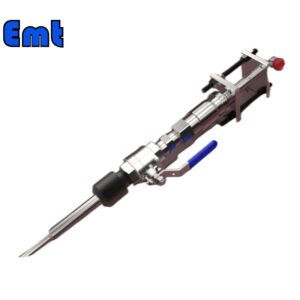
 Injection Quill In Piping

Description
Introduction
Definition and Basic Concept
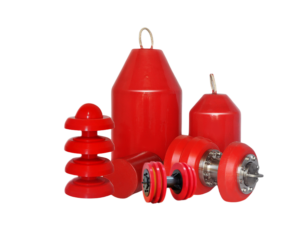
Pipe pigs are devices used for cleaning and maintaining pipelines. They travel through the pipeline, pushed by the flow of the product. Their primary function is to remove debris, deposits, and scale. Additionally, they help inspect the condition of the pipeline. Various industries, including oil and gas, use pipe pigs extensively. They enhance pipeline efficiency and safety. Different types of pipe pigs serve different purposes. For example, some are designed for cleaning, while others focus on inspection. Engineers select the appropriate type based on pipeline requirements.
Historical Background and Evolution
The concept of pipe pigs dates back to the early 20th century. Initially, operators used basic pigs made of straw or rags. These early pigs were simple but effective for basic cleaning tasks. In the 1940s, the oil and gas industry began using more advanced pigs. These pigs featured metal bodies and rubber sealing elements. Over the decades, pipe pig technology continued to evolve. The introduction of polyurethane pigs marked a significant advancement. Modern pipe pigs now include sophisticated sensors for inspection. They can detect corrosion, cracks, and other pipeline issues. The evolution of pipe pigs reflects the growing demand for efficient pipeline maintenance. Today, they are an indispensable tool in various industries.
Parameters
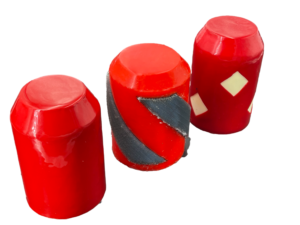
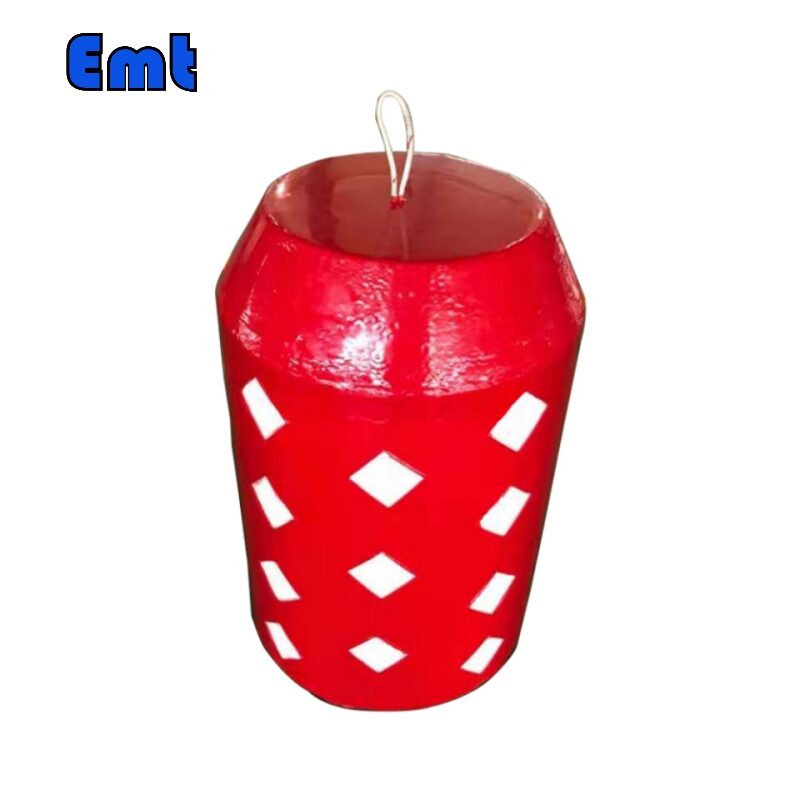
| Polly Foam Pig | LCQZ-RTR | 1. Its interior is foamed by polyurethane material. The surface is coated with a polyurethane elastomer coating. | Starting pressure: 0.02 MPa |
| 2. Good flexibility and certain wear resistance. | Density: 35 kg/m³~220 kg/m³ | ||
| 3. The deformation amount can reach 50%. Which is the most widely used foam pig. | Withstand pressure: 7 MPa | ||
| 4. Used for scrubbing, descaling, and fluid isolation of pipes. | Stretch rate: 320% | ||
| Compression ratio: 50 | |||
| Flex life: 50,000 times | |||
| Attrition rate: 2 mm/100 km | |||
| Operating distance: 100 km~300 km |
Types of Pipe Pigs
Mechanical Pigs
Cup Pigs
Cup pigs use flexible cups to create a seal in the pipeline. They effectively remove debris and liquids. Operators use them for cleaning and batching operations. These pigs are versatile and widely used in various industries.
Disc Pigs
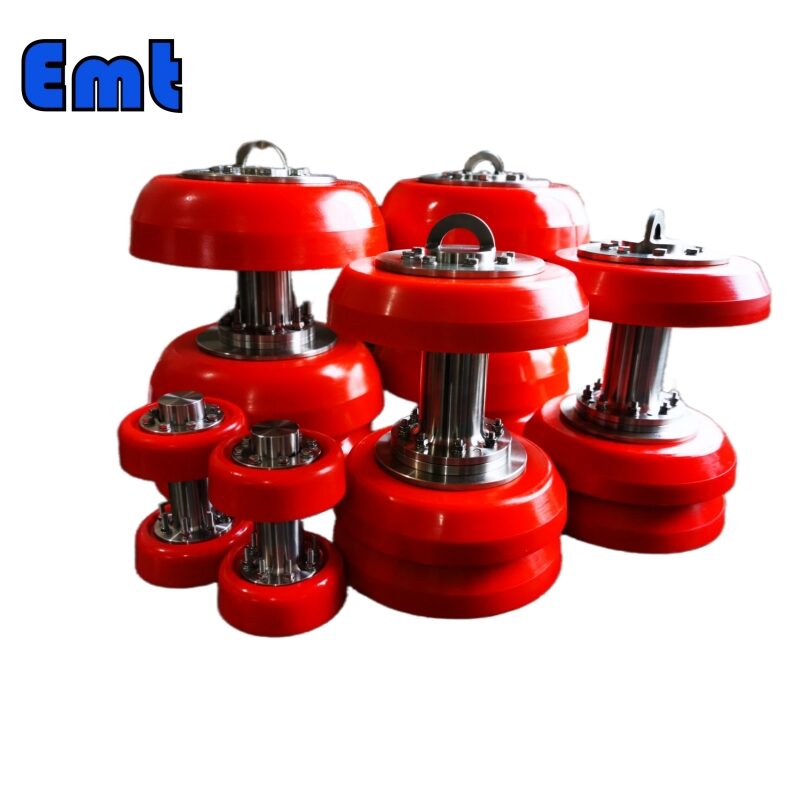
Disc pigs feature multiple discs that provide a tighter seal. They excel at scraping and cleaning pipeline interiors. Their design allows them to navigate bends and fittings. Engineers use them for more rigorous cleaning tasks.
Foam Pigs
Bare Foam Pigs
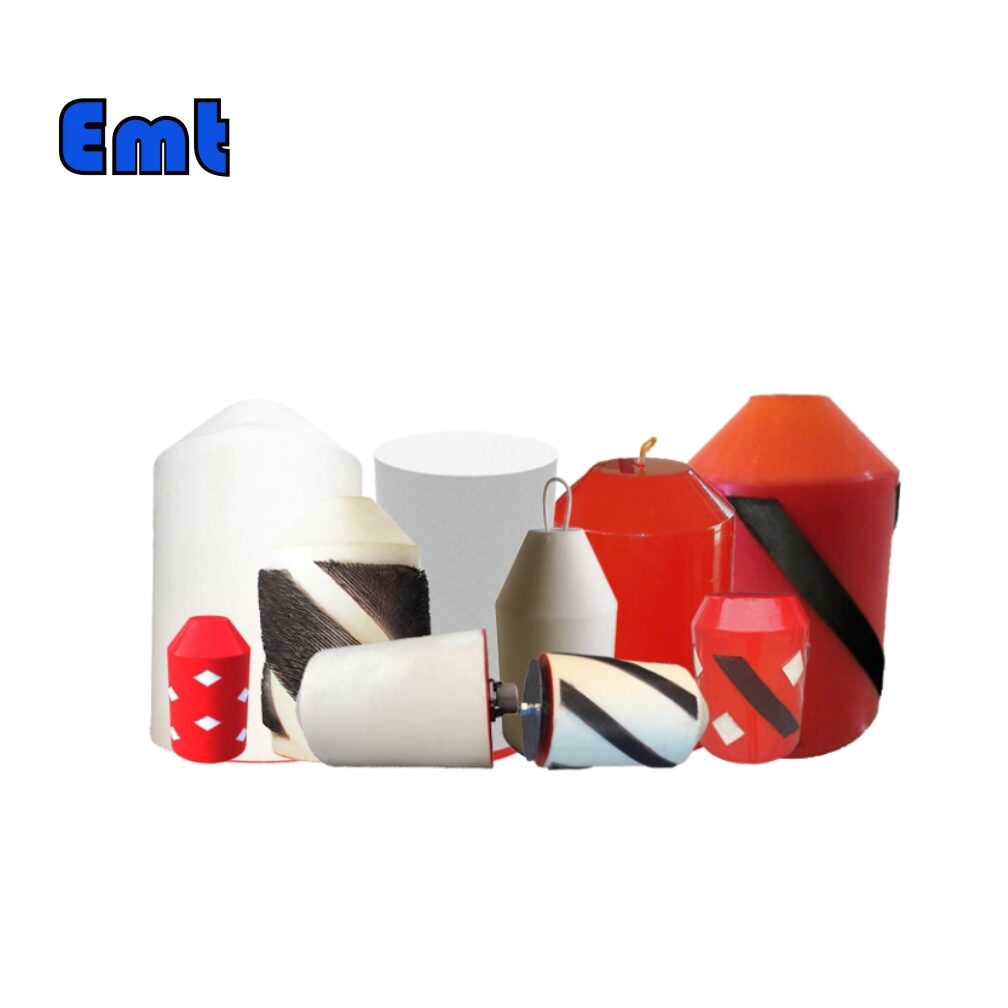
Bare foam pigs are made entirely of foam. They are lightweight and flexible, making them easy to use. Operators use them for light cleaning and drying tasks. These pigs can navigate tight bends and diameter changes.
Polly Foam Pigs
Polly foam pigs have a polyurethane coating over the foam. This coating enhances their durability and cleaning efficiency. They are suitable for medium-duty cleaning operations. These pigs balance flexibility and strength.
Criss-Cross Foam Pigs
Criss-cross foam pigs feature a criss-cross pattern on their surface. This design improves their scraping ability. Operators use them for more demanding cleaning tasks. They can effectively remove tougher deposits and debris.
Polyurethane Pigs
Polyurethane pigs are made of durable polyurethane material. They offer excellent resistance to abrasion and chemicals. These pigs are ideal for heavy-duty cleaning and inspection. They can endure harsh pipeline conditions and provide reliable performance.

How Pipe Pigs Work
Basic Mechanism of Operation
Movement Through the Pipeline
Pipe pigs move through pipelines, driven by the flow of the product. The pipeline’s pressure pushes the pig along its path. Different pigs can navigate various pipeline configurations and bends. Their design ensures they maintain contact with the pipe walls.
Interaction with Pipeline Contents
Pipe pigs interact with pipeline contents by scraping or brushing the interior. They remove debris, scale, and other deposits. Some pigs also apply coatings or inhibitors to the pipeline walls. Their interaction helps maintain pipeline cleanliness and efficiency.
Launching and Receiving Pipe Pigs
Preparation Steps
Operators begin by inspecting the pipeline and pigging equipment. They choose the appropriate pig type based on the task. Before launching, they ensure the pig is clean and in good condition. Proper preparation minimizes the risk of complications.
Launching Process
Operators insert the pig into the launcher, a special section of the pipeline. They then close the launcher and pressurize it. The pig starts moving as the flow of the product propels it forward. Operators monitor the pig’s progress throughout the pipeline.
Receiving Process
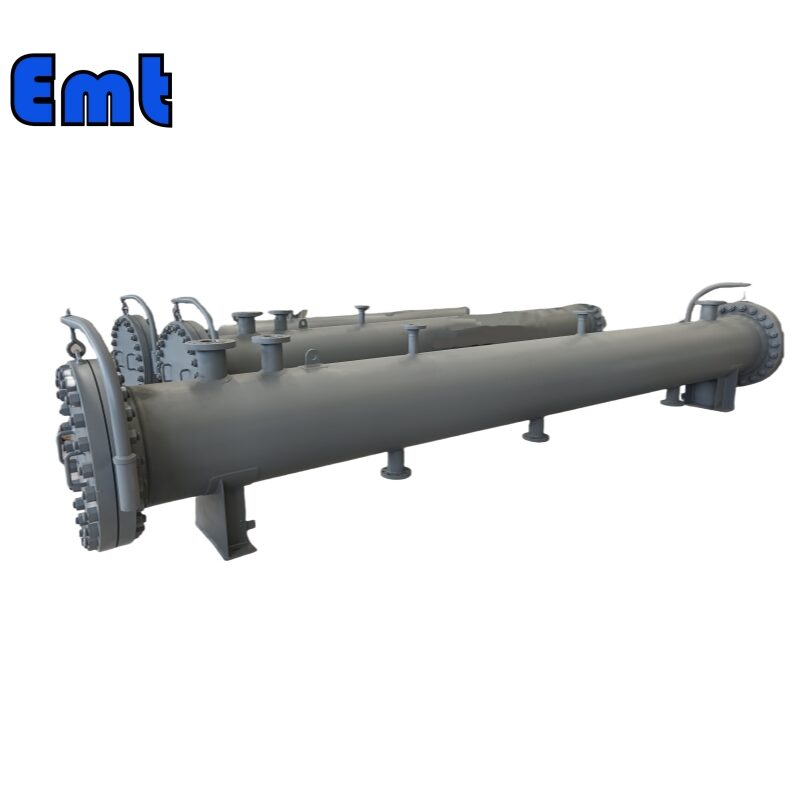
At the pipeline’s end, operators use a receiver to catch the pig. They depressurize the receiver before opening it. The pig exits the pipeline, usually along with collected debris. Operators inspect the pig and record any findings.
Data Collection and Analysis
Sensors and Data Acquisition
Inspection pigs come equipped with sensors for data collection. These sensors can detect corrosion, cracks, and other anomalies. They record data as the pig travels through the pipeline. The sensors store this data for later analysis.
Interpretation of Results
Technicians analyze the data collected by the inspection pig. They identify any areas of concern, such as corrosion or damage. The results help inform maintenance and repair decisions. Accurate data interpretation ensures the pipeline remains safe and efficient.
Reviews
There are no reviews yet.