
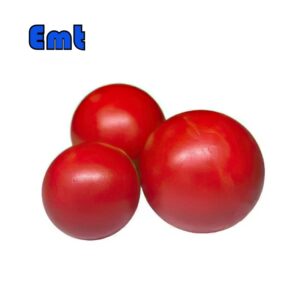
 Pigging Ball in Pipeline Cleaning
Description
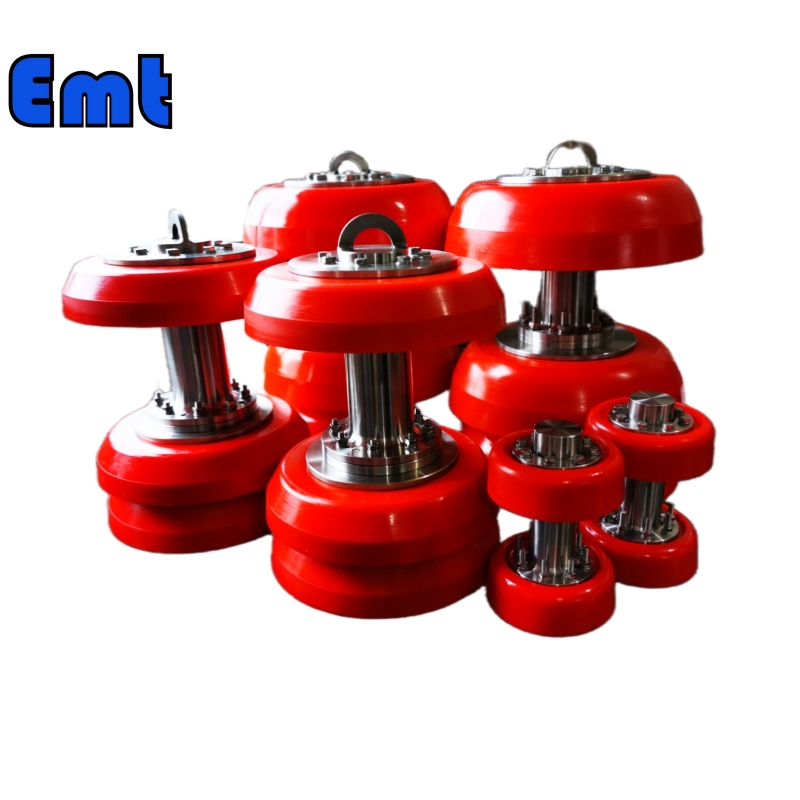
Pipe pigging pigs are essential tools used to maintain and clean pipelines, ensuring their efficient operation and longevity. Different types of pigs serve various purposes and applications, each designed to address specific pipeline maintenance needs. Each type of pig plays a vital role in maintaining the efficiency and integrity of pipelines, making them indispensable tools in various industries, including oil and gas, chemical processing, and water treatment.
Types
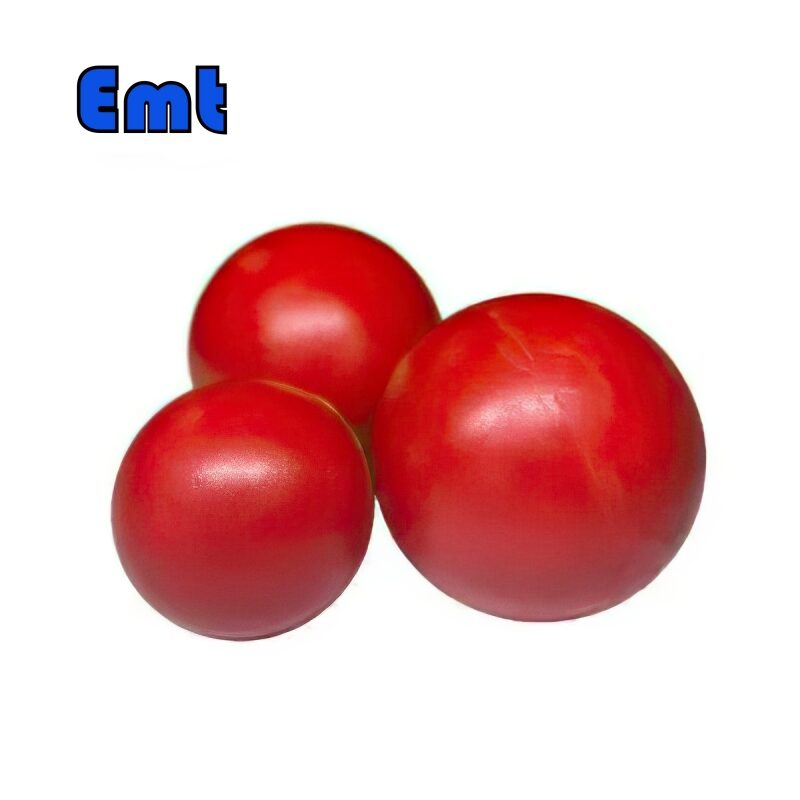
Cleaning pigs, for instance, are crucial for removing debris and buildup within pipelines. Foam pigs, made from polyurethane foam, are flexible enough to navigate bends and variations in pipeline diameter. Therefore this makes them ideal for light cleaning tasks. Brush pigs, equipped with steel or plastic brushes, provide a more rigorous scrubbing action to remove tougher deposits and buildup. Besides, scraper pigs, which feature metal or plastic blades, can tackle hard deposits and scale, effectively cleaning the pipeline walls.
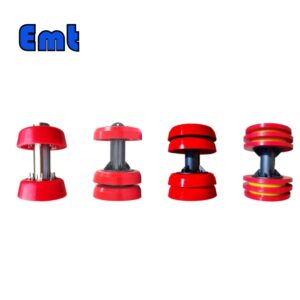
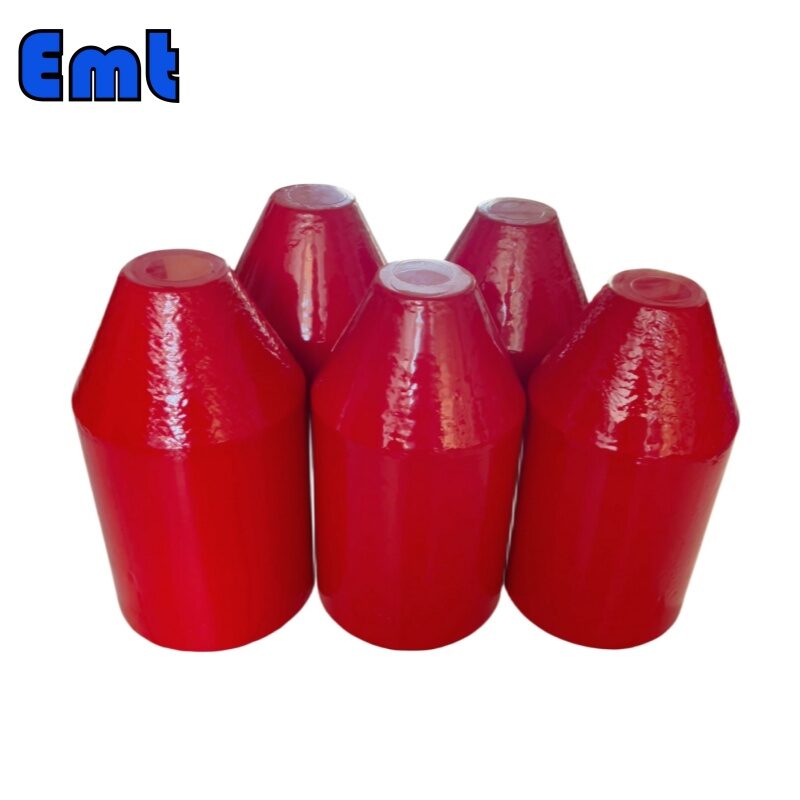
Sealing pigs create tight seals within the pipeline to remove liquids and separate different products. Solid cast pigs, constructed from solid polyurethane or rubber, are commonly used for these purposes. Cup pigs, which have multiple rubber or polyurethane cups, are particularly effective for pipeline drying, hydrostatic testing, and product separation, ensuring that different products do not mix or contaminate one another.
Inspection pigs, also known as smart pigs, are equipped with advanced sensors and data recording equipment to inspect the pipeline’s condition. These pigs detect issues like corrosion, cracks, and changes in wall thickness, so providing detailed information about the pipeline’s integrity. Magnetic Flux Leakage (MFL) pigs use magnetic fields to identify metal loss and anomalies, offering a comprehensive assessment of the pipeline’s health.
Specialty pigs perform unique tasks within the pipeline maintenance process. Operators use batching pigs to separate different products within the same pipeline, preventing mixing and contamination. Therefore they deploy de-watering pigs to remove water and other liquids, ensuring the pipeline remains dry and clean. Gel pigs, made from a gel-like material, serve as versatile tools for cleaning, de-watering, and removing debris in pipelines with irregularities.
Parameters
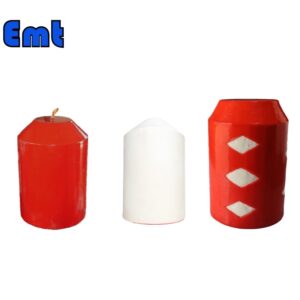
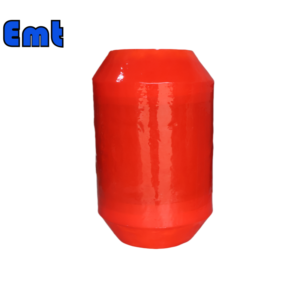
| Polly Foam Pig | LCQZ-RTR | 1. Polyurethane material foams its interior. A polyurethane elastomer coating covers the surface. | Starting pressure: 0.02 MPa |
| 2. Good flexibility and certain wear resistance. | Density: 35 kg/m³~220 kg/m³ | ||
| 3. The deformation amount can reach 50%, which is the most widely used foam pig. | Withstand pressure: 7 MPa | ||
| 4. Used for scrubbing, descaling, and fluid isolation of pipes. | Stretch rate: 320% | ||
| Compression ratio: 50 | |||
| Flex life: 50,000 times | |||
| Attrition rate: 2 mm/100 km | |||
| Operating distance: 100 km~300 km | |||
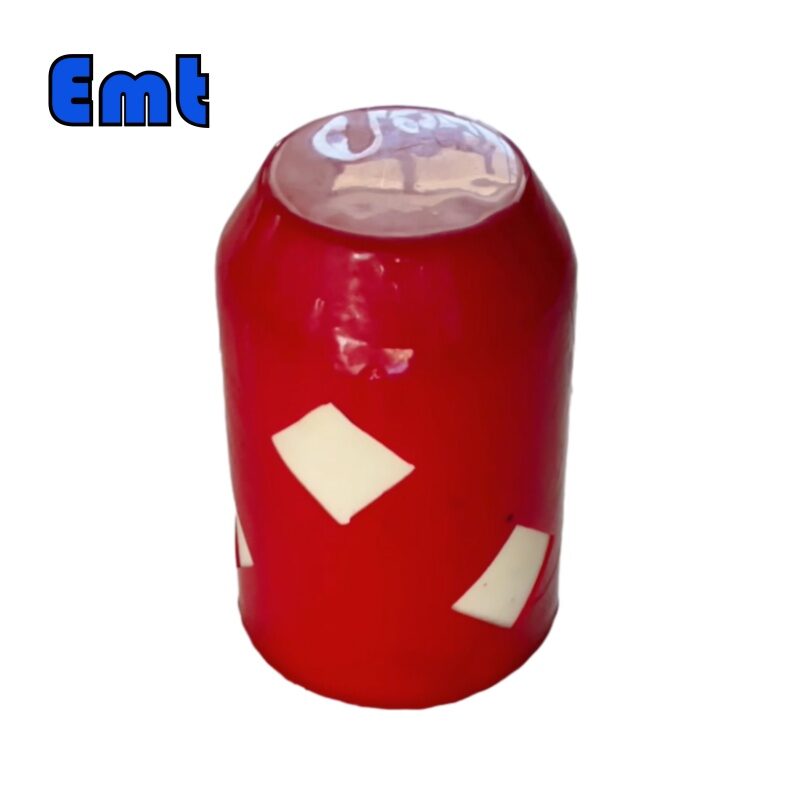
| Crisscross Foam Pig | LCQZ-RTCC | 1. Polyurethane material foams its interior. And the surface is covered with a prismatic block polyurethane elastomer. | Operating temperature: -30℃~100℃ |
| 2. High surface hardness and large friction coefficient. | |||
| 3. Has high elasticity and toughness. | |||
| 4. Used for pipeline cleaning, cleaning, and cleaning impurities. |
Applications
In the oil and gas industry, operators use pipe pigging pigs to maintain and clean pipelines. First, cleaning pigs remove debris and buildup, ensuring smooth flow. Next, sealing pigs separate different products, preventing contamination. Additionally, inspection pigs help detect corrosion and cracks, ensuring pipeline integrity. Operators rely on these pigs to enhance safety and extend pipeline life.
Meanwhile, in the water treatment industry, pipe pigging pigs play a crucial role. Cleaning pigs remove sediment and biofilm, keeping water pipelines clear. Sealing pigs separate chemicals used in different treatment stages. Moreover, specialty pigs, like de-watering pigs, remove excess water from pipelines. These pigs maintain efficiency and prevent blockages, ensuring consistent water quality.
Reviews
There are no reviews yet.