
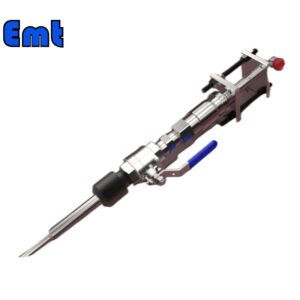
 Injection Quill In Piping
 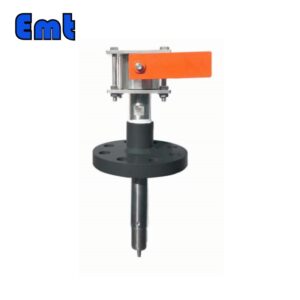 Intrusive Pig Signaller

Description
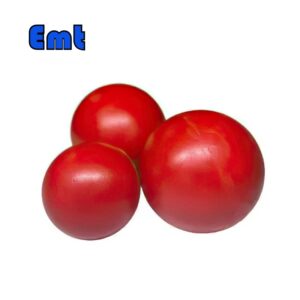
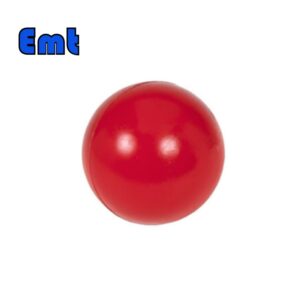
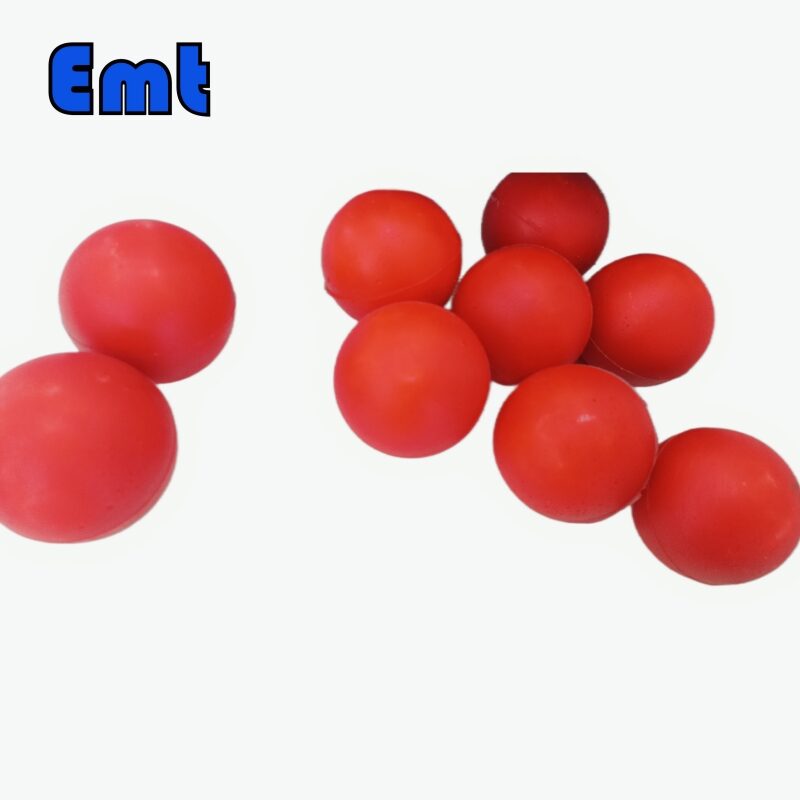
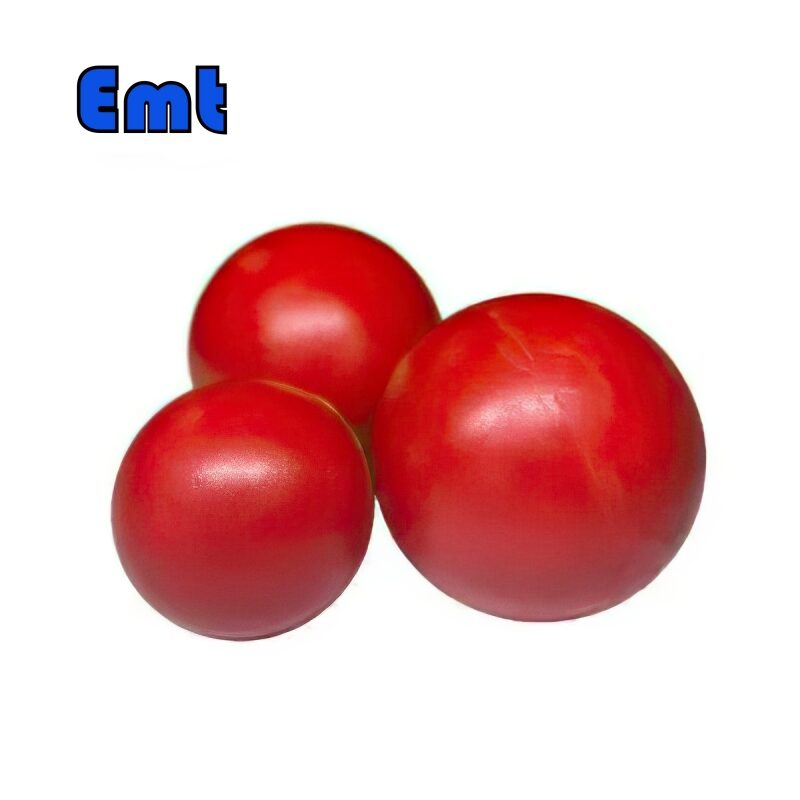
A Pipe Cleaning Ball, like a sphere pig, functions primarily as a displacement pig. It effectively removes liquids and very loose debris when properly sized. However, most pipe cleaning balls are too small in diameter for typical thin wall buried line pipe. This is because a sphere has a very strong geometric shape and, usually being a solid elastomer, does not squeeze down easily to smaller IDs. Therefore, operators typically size pipe cleaning balls for the smaller ID of heavier wall risers and above-ground piping. This allows for reasonable ease in inserting the ball into launchers and launching it with manageable differential pressures.
When you size a pipe cleaning ball to insert into above-ground piping easily, it is usually smaller than the below-ground line pipe. This lack of interference fit and aggressive scraping edges makes them inefficient. In waxy oil production systems, a pipe cleaning ball can open the pipeline close to the ball’s diameter in the wax. This improves flow efficiency over a non-pigged line but is not optimal. More importantly, a pipe cleaning ball, especially an undersized one, cannot clean the line to bare steel required for corrosion inhibitors because it lacks scraping ability.
In corrosive gas systems, an undersized pipe cleaning ball has little to no effect in preventing corrosion. It has a limited ability to move larger slugs of liquids but will still leave much behind.
Parameters of Pipe Cleaning Ball
| Bare Foam Pig | LCQZ-RTN | 1. Soft texture and good flexibility. | Starting pressure: 0.02 MPa |
| 2. With strong water absorption, the deformation amount can reach 60%. | Density: 35 kg/m³~220 kg/m³ | ||
| 3. Used for dewatering, cleaning, and drying pipelines. | Withstand pressure: 7 MPa | ||
| Stretch rate: 320% | |||
| Compression ratio: 60 | |||
| Flex life: 50,000 times | |||
| Attrition rate: 4 mm/100 km | |||
| Operating distance: 50 km~150 km | |||
| Operating temperature: -30℃~100℃ | |||
| Polly Foam Pig | LCQZ-RTR | 1. Its interior is foamed by polyurethane material. The surface is coated with a polyurethane elastomer coating. | Starting pressure: 0.02 MPa |
| 2. Good flexibility and certain wear resistance. | Density: 35 kg/m³~220 kg/m³ | ||
| 3. The deformation amount can reach 50%. Which is the most widely used foam pig. | Withstand pressure: 7 MPa | ||
| 4. Used for scrubbing, descaling, and fluid isolation of pipes. | Stretch rate: 320% | ||
| Compression ratio: 50 | |||
| Flex life: 50,000 times | |||
| Attrition rate: 2 mm/100 km | |||
| Operating distance: 100 km~300 km |
Features
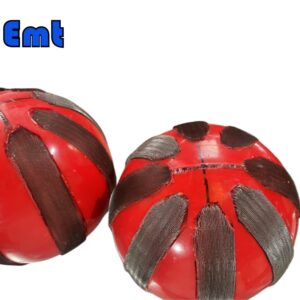
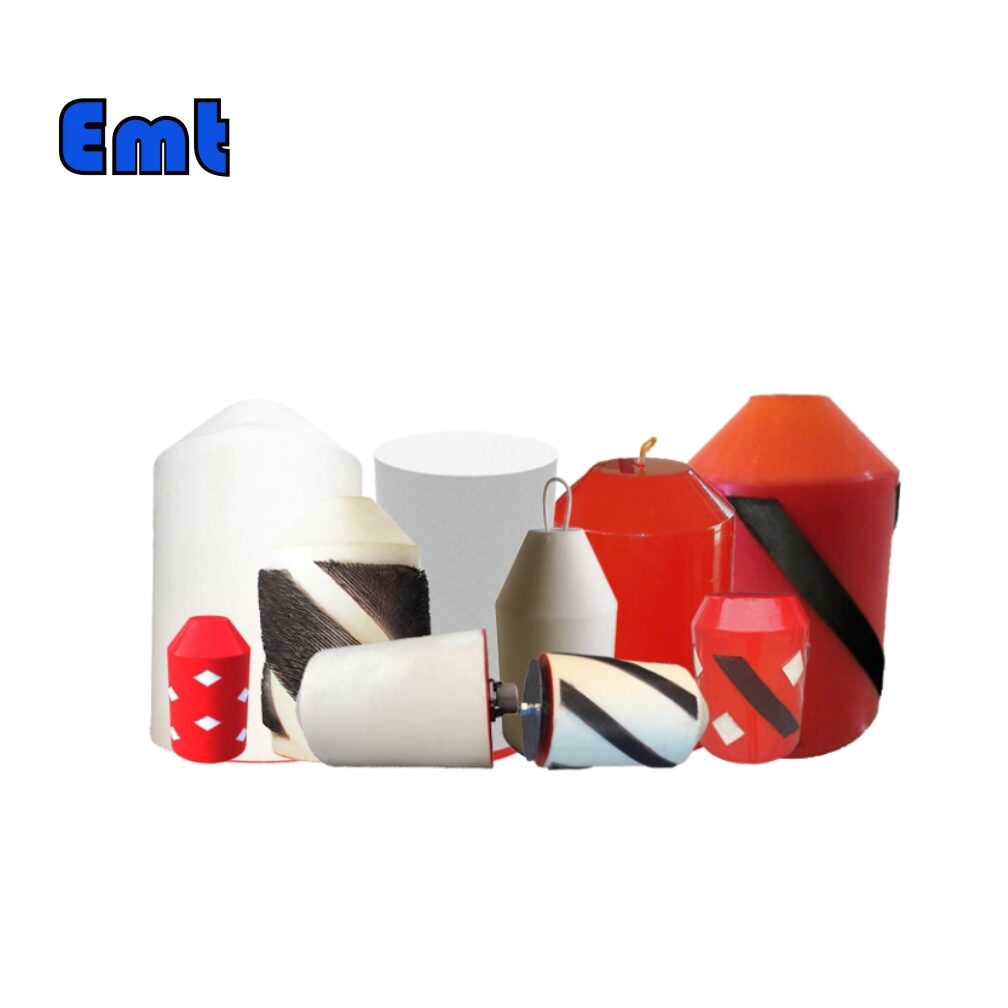
Foam spheres come in various styles, similar to foam pigs. These styles include bare, criss-cross, silicon-carbide, wirebrush, and plastic bristle. They serve the same applications as standard foam pigs. However, they can navigate some piping configurations that standard foam pigs cannot handle.
Pipe Cleaning Ball Features
A pipe cleaning ball offers versatility in various styles. You can choose from bare, criss-cross, silicon-carbide, wirebrush, and plastic bristle designs. This variety allows for tailored cleaning solutions based on specific pipeline needs. Furthermore, pipe cleaning balls perform the same tasks as standard foam pigs. They effectively clean, remove debris, and displace liquids.
Additionally, pipe cleaning balls excel in navigating complex pipeline configurations. They can tackle piping setups that standard foam pigs struggle with. This makes them highly adaptable and efficient for diverse pipeline systems. Moreover, you can magazine load pipe cleaning balls in specially designed sphere launchers. This feature enables automated mechanical launching, enhancing operational efficiency and ease of use.
Reviews
There are no reviews yet.