
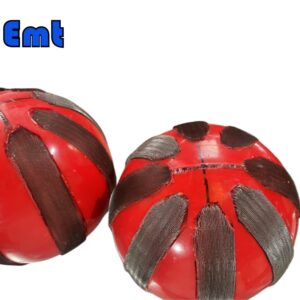
 Pigging Ball With Brushes
Description
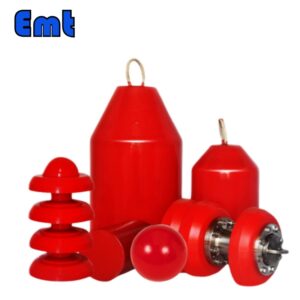
The word “pigs” in Pigs In The Pipe differs from the animal pig concept. They are tools for cleaning various kinds of pipelines. Then why do they call pigs? Because when they clean the pipes, the tools will sound like pigs. So people call them pigs.
Types of EMT Pigs In The Pipe
Foam Pigs
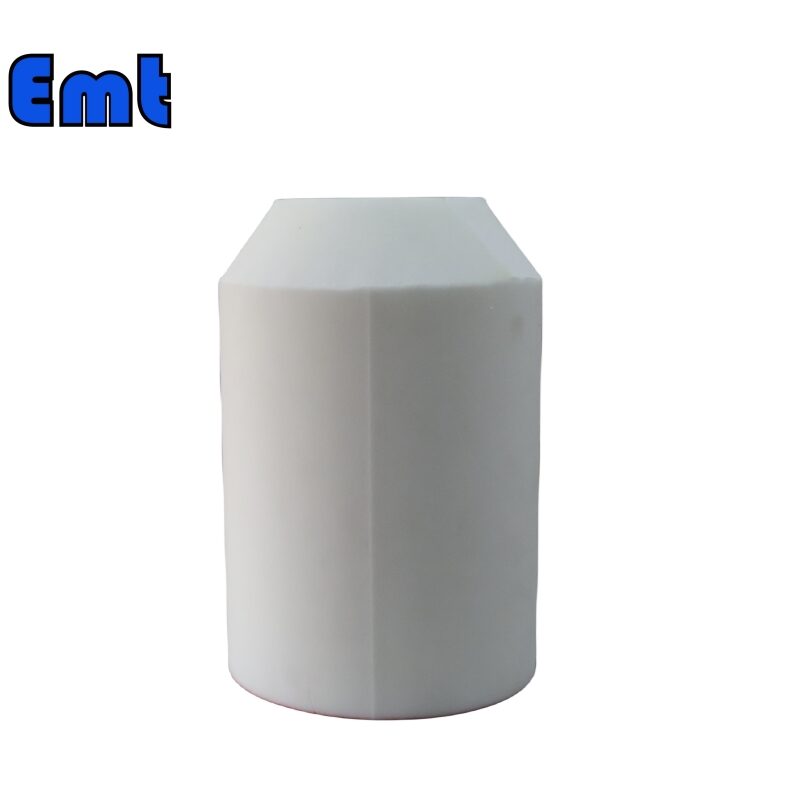
Foam pigs are more simple in structure than other types of pigs. They are usually made from polyurethane foams. And they are always in a cylinder shape. The bottom of these pigs can be coated with a polyurethane layer or not. Bare foam pigs are good at dewatering. Polly foam pigs are better at cleaning effecent.
Mechanical Cleaning Pigs
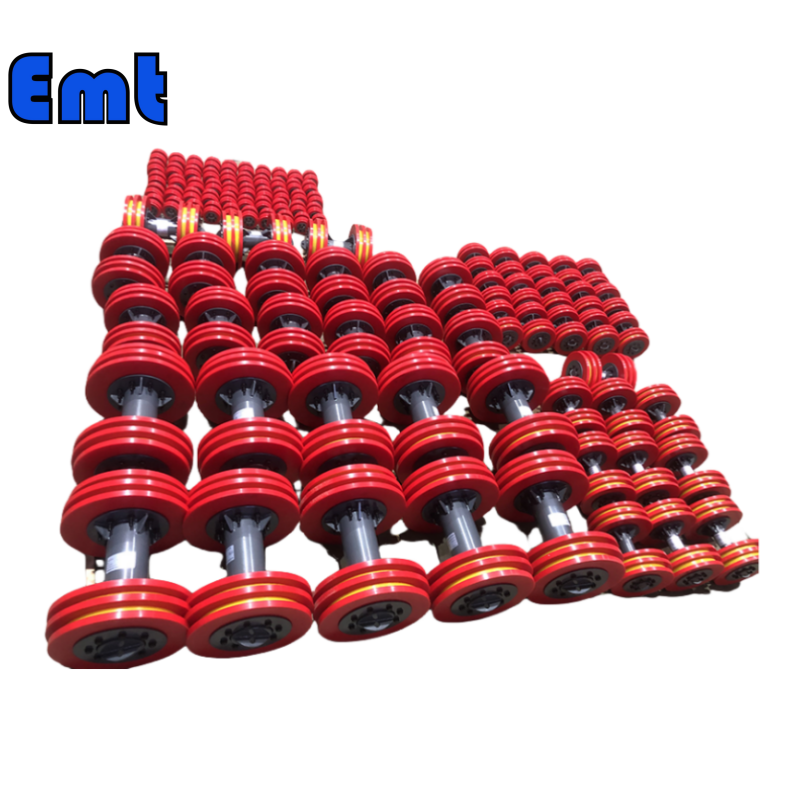
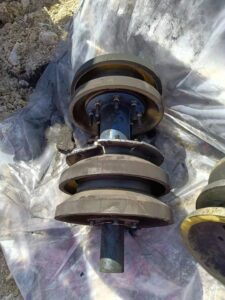
Mechanical cleaning pigs have mechanical bodies, which makes them atouter. They pass the pipe with deformation more easily. Usually, they will add some accessories such as brushes, magnetic steel, and a gauging plate. Cup mechanical pigs have better leakproofness, while pigs with discs have better supportability.
Solid Cast Cleaning Pigs
Solid cast cleaning pigs are made from molds. So different molds decide the type of solid cast pigs. Operators select the appropriate type of solid cast cleaning pig based on the pipeline’s diameter, the type of debris, and the cleaning objectives. For example, a pig with a basic design might be used for general cleaning, while one with more aggressive features might tackle tougher deposits.
Flororubber Pigs
Flororubber pigs can work in high-temperature environments. They are usually used for in-pipe wax removal because high temperatures are needed to melt the wax before the pipe can be cleaned.
Pigging Process
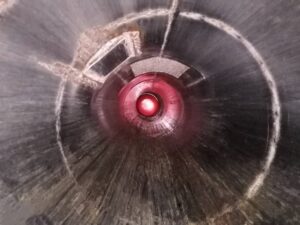
The pigging procedure of a pipeline incorporates several stages. Initially, the operator introduces the pig into the pipes. A pig is an apparatus utilized to clean or inspect a pipe. Subsequently, they initiate the pig from the pig launcher. The dynamic pressure of the pipe propels the pig forward. As it progresses, the pig scours over the wall of the tube, eliminating debris and deposits. It can also transport sensors to scrutinize the condition of pipes. This assists in detecting anomalies such as corrosion or blockage. Upon the pig’s completion, the operator retrieves the pig at the pig receiver. Subsequently, they evaluate the collated data and debris. Ultimately, they utilize the findings to strategize maintenance and repairs. Pigging guarantees that the pipe remains clean and functioning optimally.
Pipeline Maintenance
Pipeline maintenance necessitates several crucial strategies to ensure both safety and efficiency. Regular inspections serve a pivotal role in identifying potential issues. Technical personnel employ tools such as ultrasonic detection and X-ray imaging for detailed evaluations. These inspections aid in detecting corrosion, leaks, and structural flaws.
Another vital method is pipeline pigging. Operators insert pigging devices into the pipeline for cleaning and inspection. This process can eliminate debris, and prevent blockages, and accumulation. Moreover, it also provides invaluable data regarding the condition of the pipeline.
Cathodic protection is also paramount in preventing corrosion. This technology necessitates applying a small current to the pipeline. By doing so, it mitigates the electrochemical reactions that lead to corrosion. Regular monitoring ensures the system operates optimally.
Operators must also conduct pressure testing. They increase the pressure of the pipeline to test its strength and integrity. This step aids in identifying weaknesses that could potentially result in failure.
Parameters of Foam Pigs In The Pipe
| Name | Model | Performance | Technical Parameters |
| Hygroscopic Foam Pig | LCQZ-RTH | 1. It is formed by one-time foaming of polyether polyurethane material. | Starting pressure: 0.2-0.3 MPa |
| 2. Soft texture, and good elasticity. | Density: 35 kg/m³~150 kg/m³ | ||
| 3. It has strong water absorption performance. And the deformation amount can reach 70%. | Withstand pressure: 7 MPa | ||
| 4. Remarkable effect on dewatering, degreasing, and drying of pipelines. | Stretch rate: 320% | ||
| Compression ratio: 60 | |||
| Flex life: 50,000 times | |||
| Attrition rate: 4 mm/100 km | |||
| Operating distance: 50 km~150 km | |||
| Operating temperature: -30℃~100℃ | |||
| Bare Foam Pig | LCQZ-RTN | 1. Soft texture and good flexibility. | Starting pressure: 0.02 MPa |
| 2. With strong water absorption, the deformation amount can reach 60%. | Density: 35 kg/m³~220 kg/m³ | ||
| 3. Used for dewatering, cleaning, and drying pipelines. | Withstand pressure: 7 MPa | ||
| Stretch rate: 320% | |||
| Compression ratio: 60 | |||
| Flex life: 50,000 times | |||
| Attrition rate: 4 mm/100 km | |||
| Operating distance: 50 km~150 km | |||
| Operating temperature: -30℃~100℃ | |||
| Polly Foam Pig | LCQZ-RTR | 1. Its interior is foamed by polyurethane material. The surface is coated with a polyurethane elastomer coating. | Starting pressure: 0.02 MPa |
| 2. Good flexibility and certain wear resistance. | Density: 35 kg/m³~220 kg/m³ | ||
| 3. The deformation amount can reach 50%. Which is the most widely used foam pig. | Withstand pressure: 7 MPa | ||
| 4. Used for scrubbing, descaling, and fluid isolation of pipes. | Stretch rate: 320% | ||
| Compression ratio: 50 | |||
| Flex life: 50,000 times | |||
| Attrition rate: 2 mm/100 km | |||
| Operating distance: 100 km~300 km | |||
| Crisscross Foam Pig | LCQZ-RTCC | 1. The interior is foamed by polyurethane material. And the surface is covered with a prismatic block polyurethane elastomer. | Operating temperature: -30℃~100℃ |
| 2. High surface hardness and large friction coefficient. | |||
| 3. Has high elasticity and toughness. | |||
| 4. Used for pipeline cleaning, cleaning, and cleaning impurities. |
_032003200_4429.jpg)
Reviews
There are no reviews yet.