


Description

Pigging is a maintenance process used in pipelines and piping systems to clean, inspect, or maintain the interior of the pipe. This method involves inserting a device known as a “pig” into the pipeline. The pig travels along the pipe, driven by the pressure of the product flow or another pushing force. Here are a few key points about pigging:
Types of Pigs: There are various types of pigs including utility pigs for cleaning, sealing pigs for testing, and smart pigs for inspection. Utility pigs can remove built-up debris or sediments. Sealing pigs can check for leaks. Smart pigs use sensors to collect data on the condition of the pipe.
Functionality: Pigs help maintain pipeline efficiency by removing deposits and obstructions that can reduce flow or cause damage. They also inspect for issues like cracks, corrosion, or other structural faults within the pipe.
Applications: Pigging is widely used in the oil and gas industry to ensure pipelines are clear of obstructions and maintained in good condition. It is also useful in other industries such as food and beverage, cosmetics, and paints. Product recovery and line cleaning are crucial.
Benefits: Pigging increases operational efficiency by maximizing product recovery and reducing the amount of product lost in the pipeline. It also enhances safety by regularly removing potentially hazardous build-ups and checking the structural integrity of pipelines.
Process: The pigging process involves launching the pig into the pipeline via a launcher and receiving it at the other end using a receiver. The pig travels the pipeline length, carrying out cleaning, inspection, or separation tasks as it moves.
Pigging is an essential maintenance operation that helps extend the lifespan of pipelines, ensures the quality of transported materials, and aids in compliance with environmental and safety standards.

Pipeline Cleaning
The pipeline is also to be cleaned, so that it can prevent blockage and ensure the safety of water! How do you clean the pipes? With the progress of The Times and the development of science and technology, pipeline cleaning is mainly to clean the dirt on the inner surface of the pipeline using chemical methods or physical methods. It ensures that the inner surface of the pipeline is restored to the original surface material. There are many methods, commonly used pipeline cleaning methods are: chemical cleaning, high pressure water cleaning, PIG pigging and so on.
Is pipe cleaning necessary?
The sediment of silt in the pipe will produce hydrogen sulfide gas, which will pollute the environment and easily cause explosion.
Acid and alkali substances in wastewater are easy to corrode pipe walls.
Raw materials such as steel pipes, steel plates, and stainless steel form rolled skin during rolling. Also, impurities like rust, welding slag, oil anti-rust agents, and insulation materials coat the pipeline during its storage and installation.

Why Pigging Is Important?
Pigging is a crucial maintenance technique used in sectors like oil, gas, and chemicals. It ensures efficient operations and safety through the use of devices known as “pigs.” These devices clean and inspect pipeline interiors, removing debris, scale, and other build-ups. Such accumulations can obstruct flow, reduce efficiency, and increase failure risks. Regular pigging maintains pipe integrity, promotes smoother material flow, and prevents contaminant accumulation.
Additionally, pigging plays a key role in product recovery and quality control. It minimizes product contamination when different batches pass through the same pipeline. Effective cleaning between batches ensures that residual products are cleared, maximizing yield and reducing waste. Inspection pigs equipped with sensors also monitor pipeline conditions, detecting issues like corrosion or cracks early. This proactive maintenance prevents costly repairs and environmental hazards from leaks, highlighting pigging’s role in ensuring pipeline safety and regulatory compliance.
Pigging Products
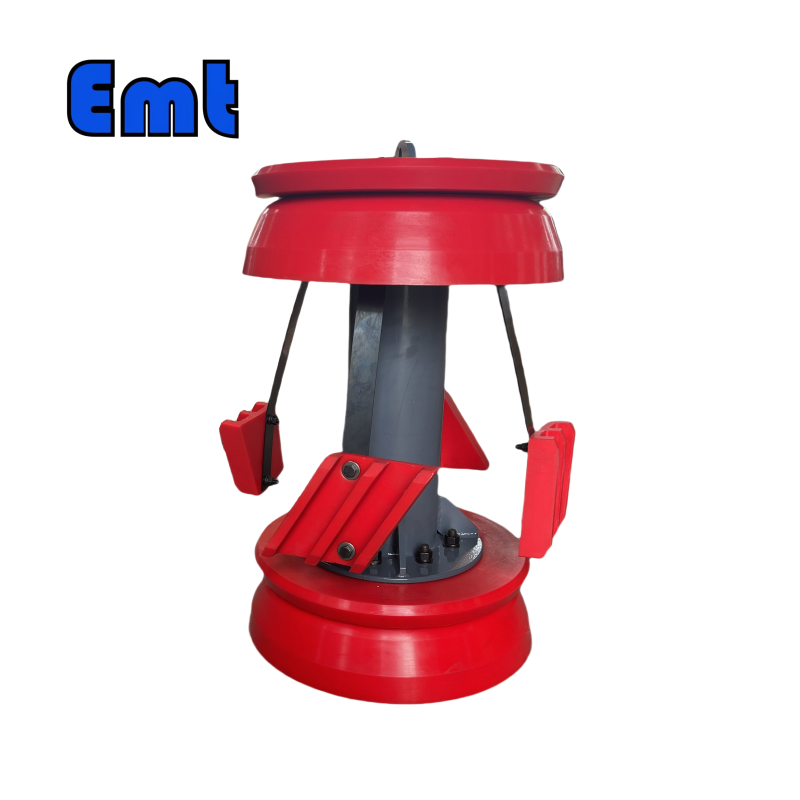
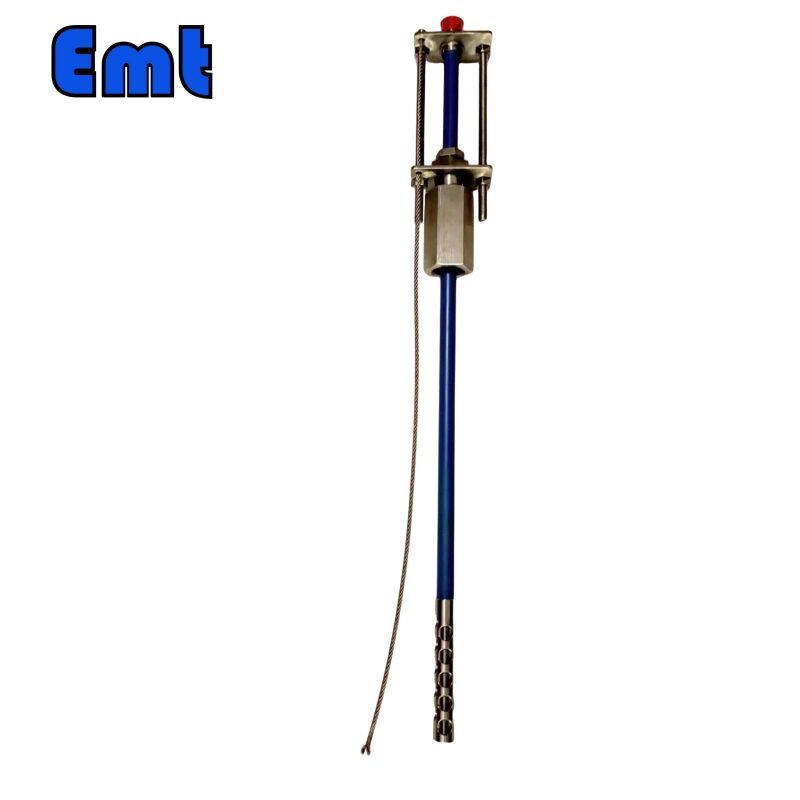
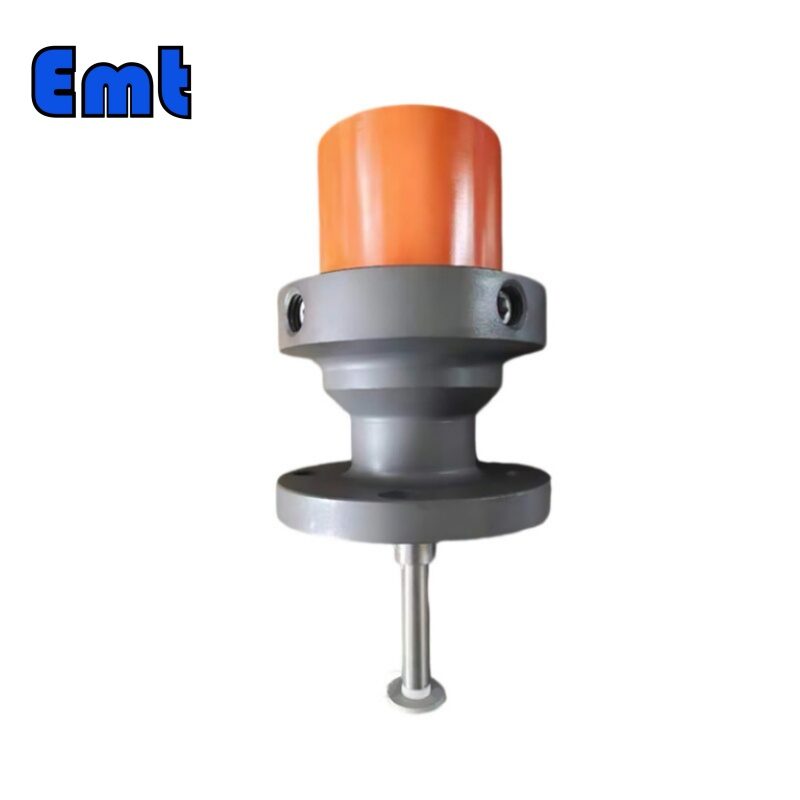
EMT Pigging Products can efficiently clean your pipes. They offer various tools like cleaning pigs, which scrub the pipes clear. Additionally, they provide chemical injection quills. These insert necessary chemicals to break down deposits. Pig signallers also play a crucial role. They alert operators when the pig passes a point in the pipeline. Moreover, quick opening closures facilitate easy access for maintenance. Together, these products enhance pipeline maintenance. They ensure thorough cleaning and efficient operations. Thus, EMT Pigging Products are essential for keeping your pipelines in optimal condition. Choose them for reliable and effective pipe maintenance solutions.

Reviews
There are no reviews yet.