


Description
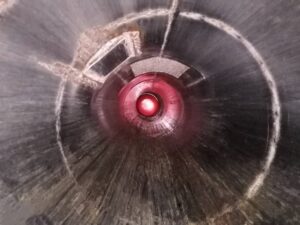
What is Pigging?
Pigging is common in many industries, such as the oil and gas industry, chemical industry, and water treatment industry. Because the pipes that transmit mediums will get rusted or dirty, then they need cleaning. At this time, cleaning tools will work. The period of using cleaning tools to clean the pipes is pigging.
Introduction to Oil and Gas Industry
The petroleum industry, also known as the petroleum industry or oil field, includes the process of global exploration, extraction, refining, transportation (usually via tankers and pipelines), and sale of petroleum products. The largest products produced in the industry are fuel oil and gasoline (gasoline). Petroleum is also a raw material for many chemical products, including pharmaceuticals, solvents, fertilizers, pesticides, synthetic fragrances, and plastics. Upstream involves the exploration and extraction of crude oil, midstream consists of transporting and storing crude oil, and downstream involves refining crude oil into various final products.
Oil is vital to many industries and is necessary to sustain the current industrial civilization, which makes it a key issue for many countries. Oil accounts for a large proportion of the world’s energy consumption, ranging from 32% in Europe and Asia to 53% in the Middle East.
Consumption patterns in other geographic regions are as follows: South and Central America (44%), Africa (41%), and North America (40%). The world consumes 36 billion barrels (5.8 cubic km) of oil annually, with developed countries being the largest consumers. In 2015, the United States consumed 18 percent of global oil production. The production, distribution, refining, and retailing of oil as a whole is the largest industry in the world in terms of dollar value.
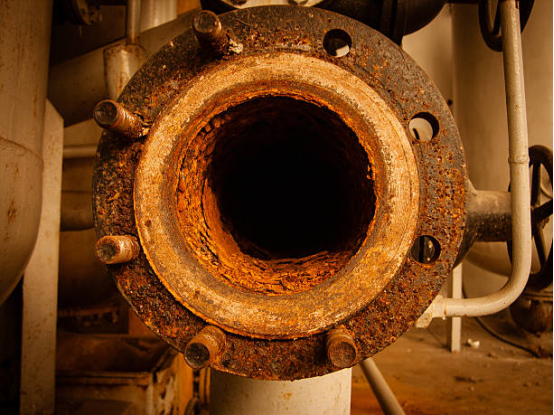
How Does Pigging Work in the Oil and Gas Industry?
Pigging in the oil and gas industry is an indispensable process. Usually, there are pipeline cleaning pigs help this process. Sometimes people use chemicals to clean the pipe. And it needs chemical injection quills. When pigs pig the pipe, pig signalers work with it together. They are installed in the pipe wall. When the pig passes the point where the pig signaler is, its flag will change from the horizontal position to the vertical position. Through the signaler, people will know that the pig passes the point successfully. Because when pigs pass, they trigger the trigger that the pig signaler inserted into the pipe.
Tools Used in the Pigging Process
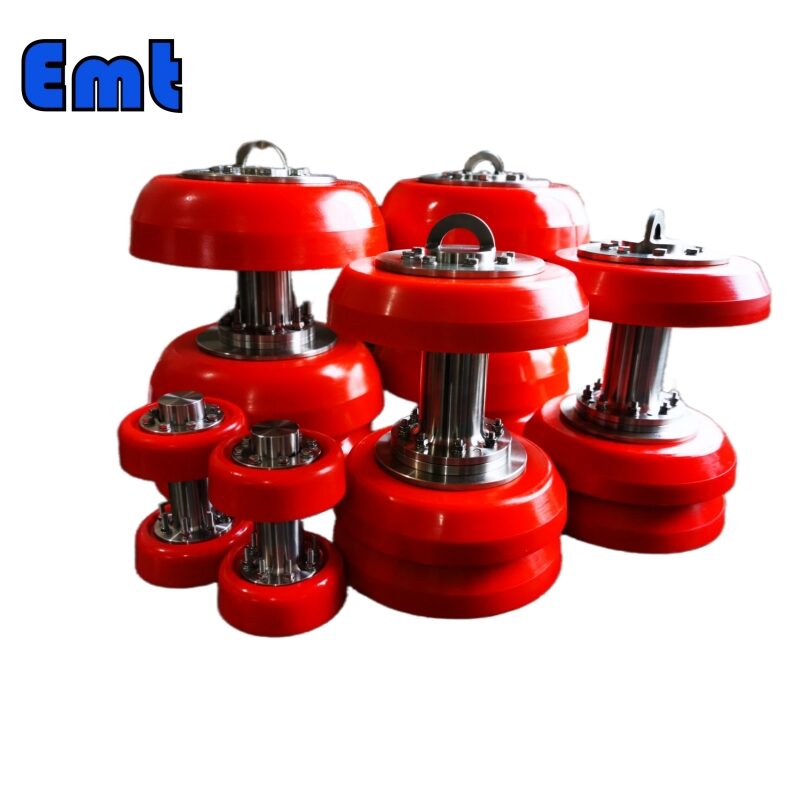
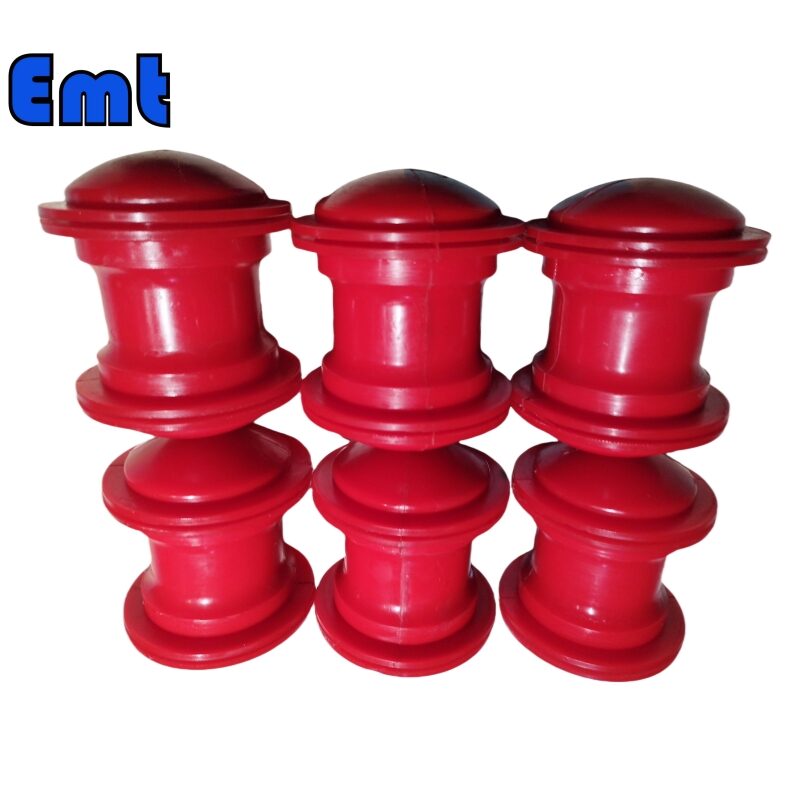
Pipeline cleaning pigs
The pigs are useful in pipeline cleaning. There are many links of pigs, like foam pigs, skeleton pigs, polyurethane pigs, ABS pigs, and so on. Each type has different effects. Like foam pigs, they are good at dewatering. For polyurethane pigs, they can adapt to high-temperature environments.
Pig signalers
There are many types of pig signalers, too. For example, popper type, manual reset flag type, and manual reset flag combined with electrical signals. Besides these intrusive types, there is a non-intrusive type too. Date and time display combined with electrical signal is a kind of non-intrusive pig signaler. The pig signalers help detect the passage of cleaning pigs.
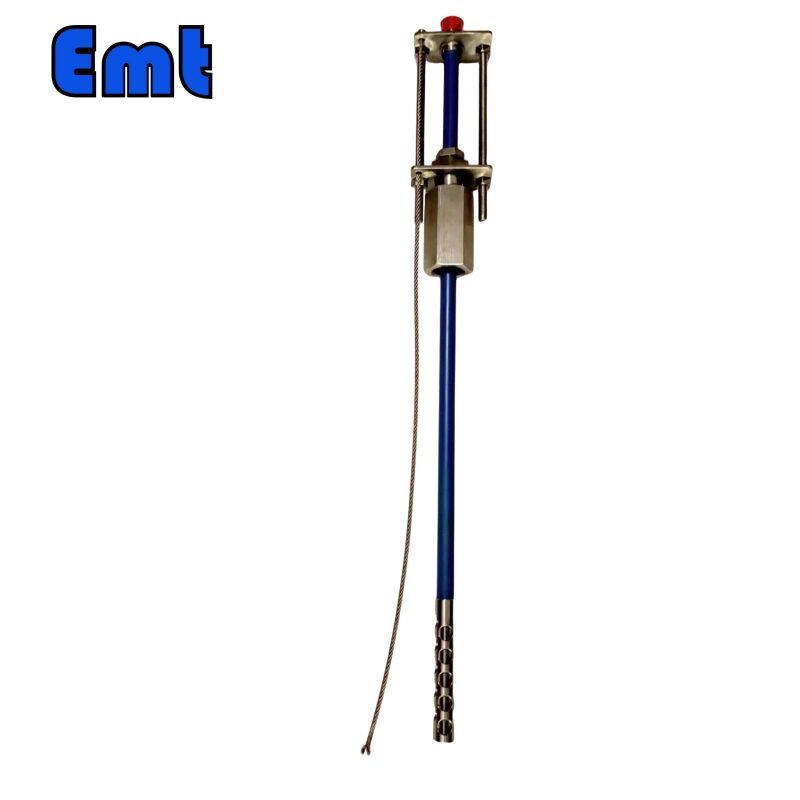
Chemical injection quills
Chemical injection quill plays a very important role in the pipeline cleaning process. They help to inject chemicals into the pipes to inhibit the corrosion rate.
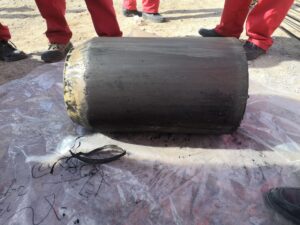
Applications of Pigging
Pigging is used in the petroleum industry to clean large diameter pipes. Today, however, smaller diameter pigging systems are increasingly being used in many continuous and batch treatment plants as plant operators seek to improve efficiency and reduce costs.
Pigging can be used in almost any part of the delivery process, for example, in mixing, storage or filling systems. Pigging systems are installed in industries that handle a wide range of products such as lubricants, paints, chemicals, toiletries, cosmetics and food.
Pigs are used in lubricants or paint mixes to clean pipes to avoid cross-contamination and to drain pipes into product tanks (or sometimes return components to their tanks). Pigging is usually done at the beginning and end of each batch. But sometimes it is done during the production of premix that will be used as an intermediate component, which is an intermediate process.
Pipe cleaners are also used for pipeline cleaning in the oil and gas industry. Smart or “smart pigs” are used to inspect pipes to assess their condition and prevent leaks, which can be harmful or harmful to the environment. They usually do not interrupt production, although some product may be lost when the hogs are removed. They can also be used to separate different products in multi-product pipelines and remove liquid slug in multi-phase gas/liquid pipelines.
Pigging requires that the line be designed to piggle from the start. If the pipe has changed, including changes in diameter, butterfly valve, pressure gauge, tight bend, pump or reduced port ball valve, conventional pipe cannot be pegged. In this case, alternative methods such as ice pigging can be employed. Full diameter (or full diameter) ball valves do not create any problems because the inside diameter of the ball opening is the same as the inside diameter of the pipe.
_032003200_4429.jpg)
Reviews
There are no reviews yet.