
 Polly Pig

Description
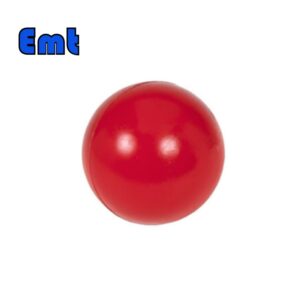
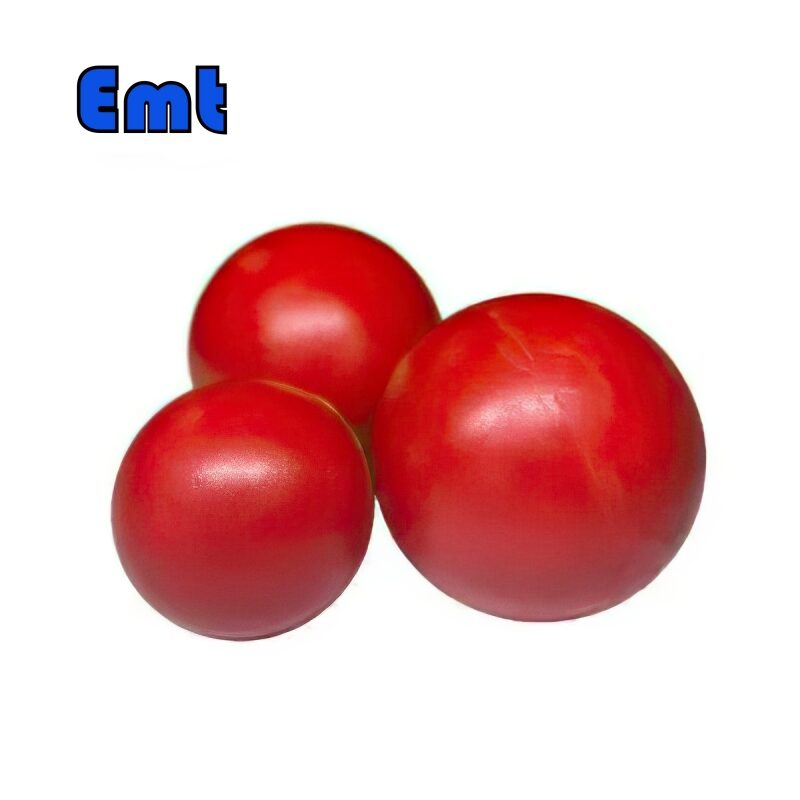
Pigging balls are spherical devices used in pipelines. They clean and maintain the pipeline’s interior. Made from foam, rubber, or polyurethane, they vary in size and density. Pigging balls adapt to different pipeline shapes and sizes. They navigate through bends and irregularities. This flexibility ensures thorough cleaning.
Importance in Pipeline Maintenance
The balls remove debris and buildup. This enhances the flow efficiency of the pipeline. They help prevent blockages and corrosion. Regular use extends the pipeline’s lifespan. They also reduce maintenance costs. They ensure operational safety and compliance. Their versatility makes them useful across various industries.
History of Pigging in Pipelines
Pigging began with simple methods. Operators used rags and wooden plugs. These tools manually cleaned pipelines. Early pigging was labor-intensive and inefficient. Metal scrapers were later introduced. They improved cleaning but caused pipe damage. Rubber pigs emerged as a better solution. They offered gentler, more effective cleaning. Foam pigs followed, enhancing flexibility. Pigging technology continued to evolve. Modern pigs now include advanced materials and designs. They provide efficient, damage-free cleaning.
Understanding Pigging Balls
Basic Definition
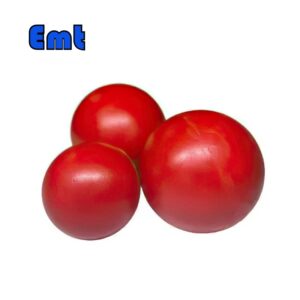
Pigging balls are spherical devices used to clean and maintain pipelines. They travel through pipelines, removing debris and buildup. They also ensure the pipeline remains clear and efficient. Therefore they are essential tools in various industries. Their use spans oil and gas, water treatment, and food processing.
Key Features and Characteristics
Pigging balls have different materials, sizes, and densities. This diversity allows them to adapt to a variety of pipeline conditions. They are flexible, navigating bends and irregularities with ease. Their robust construction ensures durability and effectiveness. The balls can operate under different pressure and temperature conditions. They are designed for easy insertion and retrieval. Their cleaning action is thorough and consistent. Pigging balls are cost-effective solutions for pipeline maintenance.
Types
Foam Type
Foam pigging balls are lightweight and versatile. They are made from high-density foam. Because this material allows them to compress and expand, foam pigging balls navigate complex pipeline geometries. They are ideal for removing liquids, sediments, and light debris. Their flexibility ensures they clean thoroughly. Therefore, foam pigging balls are cost-effective and easy to use. They are suitable for frequent use and various applications.
Rubber Type
Rubber balls are durable and resilient because they are made from tough rubber materials. Therefore, these balls withstand harsh pipeline conditions. Rubber pigging balls are effective for removing heavy deposits. They also handle high-pressure environments well. Their robust design also makes them suitable for long-distance pigging. Rubber balls are commonly used in oil and gas pipelines. As a result, they offer reliable performance and longevity.
Polyurethane Type
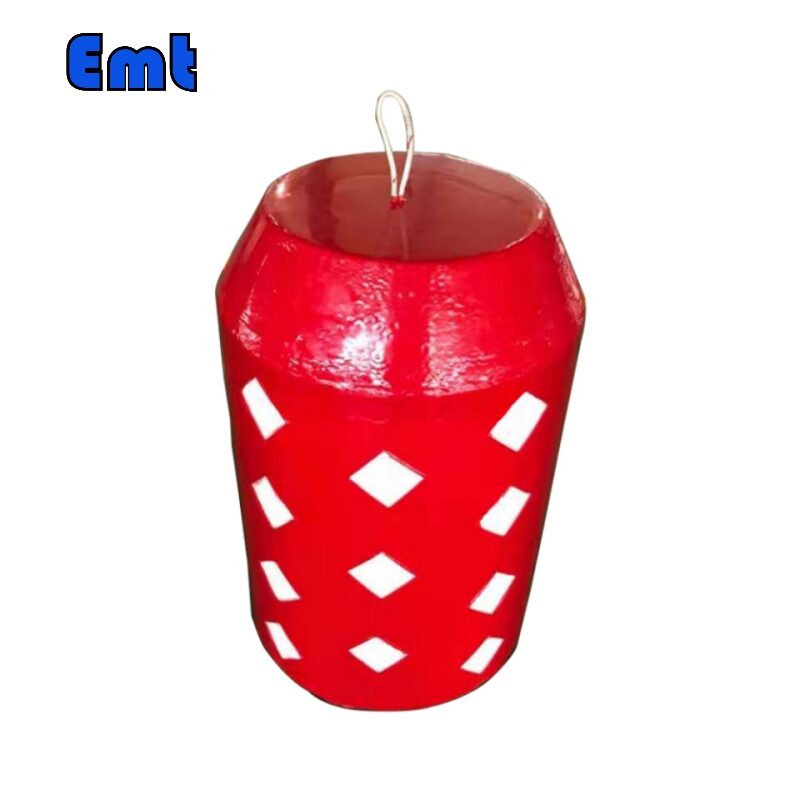
Polyurethane balls combine flexibility and durability. They are made from high-quality polyurethane. This material provides excellent wear resistance. So, polyurethane balls are effective in harsh environments. They can navigate tight bends and varying diameters. These balls are also ideal for removing stubborn deposits. Polyurethan balls are suitable for long-distance operations. As a result, this makes them versatile for different pipeline applications.
Applications of Pigging Balls
Oil and Gas Pipelines
Removing Deposits and Build-Up
Pigging balls effectively remove deposits and build-up in oil and gas pipelines.Therefore they clean the pipeline interior, ensuring smooth operation. This prevents blockages and reduces downtime.
Enhancing Flow Efficiency
By removing debris, pigging balls enhance flow efficiency. Because of this it results in better performance and reduced energy consumption. They help maintain optimal production levels.
Water Treatment Systems
Ensuring Clean and Unobstructed Pipes
In water treatment systems, pigging balls ensure pipes remain clean and unobstructed. Besides, they remove sediments and biological growth. This maintains the system’s efficiency and reliability.
Maintaining High Water Quality
Pigging balls contribute to high water quality by preventing contamination. So, they ensure that the water remains free from impurities. As a result, regular pigging is essential for maintaining stringent water quality standards.
Chemical Processing Pipelines
Preventing Contamination
In chemical processing pipelines, pigging balls prevent cross-contamination between different chemicals. Besides,they thoroughly clean the pipeline after each batch. And this ensures product purity and safety.
Maintaining Pipeline Integrity
Pigging balls help maintain the structural integrity of chemical pipelines. So they remove corrosive residues that can damage the pipeline. This extends the pipeline’s lifespan and ensures safe operation.
Food and Beverage Industry
Ensuring Hygiene and Cleanliness
The balls are crucial for ensuring hygiene and cleanliness in the food and beverage industry. They also remove product residues, preventing microbial growth.
Removing Product Residues
Pigging pipe balls effectively remove product residues from pipelines. As a result, this minimizes product loss and prevents contamination. They ensure that the production line remains clean and efficient.
| Polyurethane material specification: | ||
| NO. | Factory inspection main indicators | Cup/DISC |
| 1 | 20℃Hardness(SHORE A) | 85±2 |
| 2 | Tensile strength (MPa) | 51.7 |
| 3 | 100%stress at definite elongation (MPa) | 4.8 |
| 4 | 300%stress at definite elongation (MPa) | 9.2 |
| 5 | Tensile set (%) | 780 |
| 6 | Tear strength (KN/m) | 73 |
| 7 | Impact resilience (%) | 32 |
| 8 | DIN abrasion (mm²) | 35 |
Benefits of Using Pigging Balls
Reducing Flow Restrictions
Pigging pipe balls effectively reduce flow restrictions in pipelines. They remove debris and buildup that impede flow. This ensures smooth and continuous operation. As a result, pipelines perform more efficiently.
Enhancing Throughput
By maintaining clear pipelines, pigging balls enhance throughput. This means more product moves through the pipeline. Enhanced throughput leads to increased productivity. It also optimizes overall system performance.
Minimizing Downtime
The balls help minimize downtime. Regular pigging prevents blockages and flow interruptions. This ensures continuous operation. Reduced downtime translates to higher productivity.
Reducing Maintenance Costs
Using the balls reduces maintenance costs. They keep pipelines clean and functioning efficiently. This diminishes the need for frequent repairs. Lower maintenance requirements save money. They also extend the pipeline’s lifespan.
Ensuring Safe Operations
Pigging balls ensure safe pipeline operations. They prevent blockages and pressure build-up. This reduces the risk of accidents. Regular pigging maintains safe operating conditions. It is crucial for worker safety.
_032003200_4429.jpg)
Reviews
There are no reviews yet.