
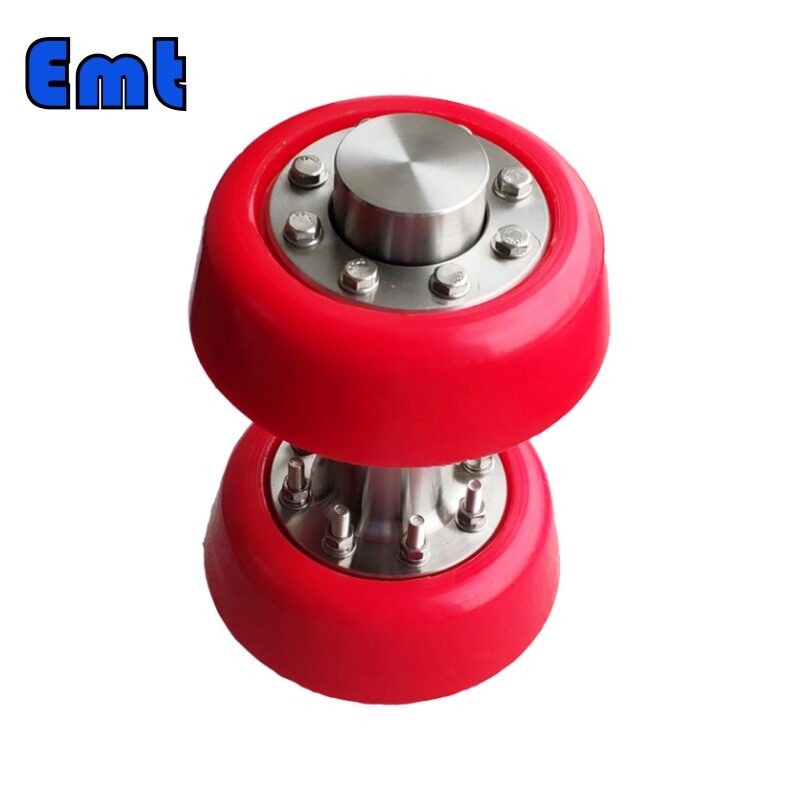
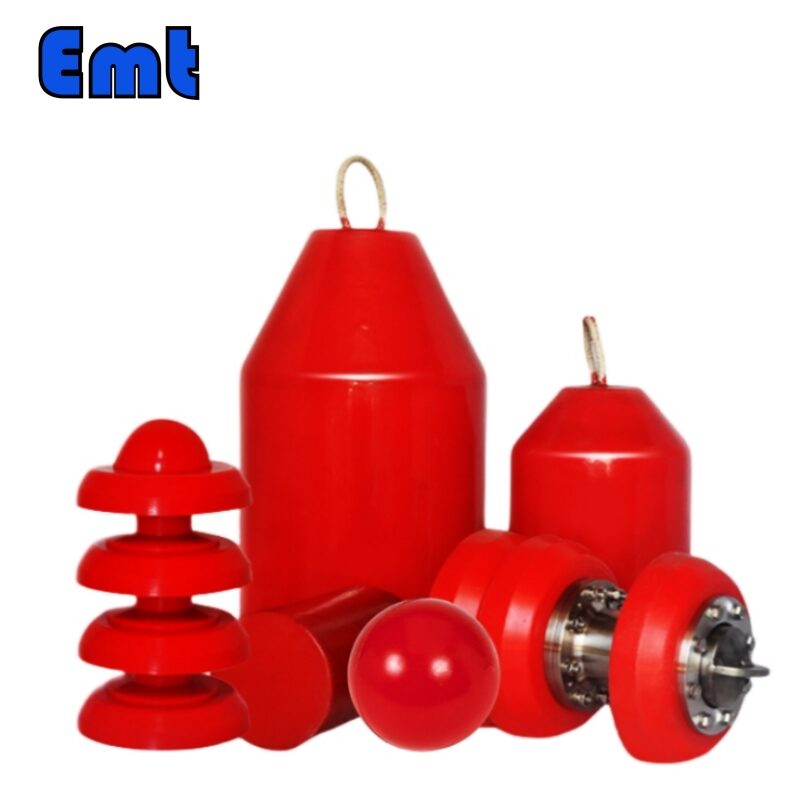
 Bi Directional Pig
Description
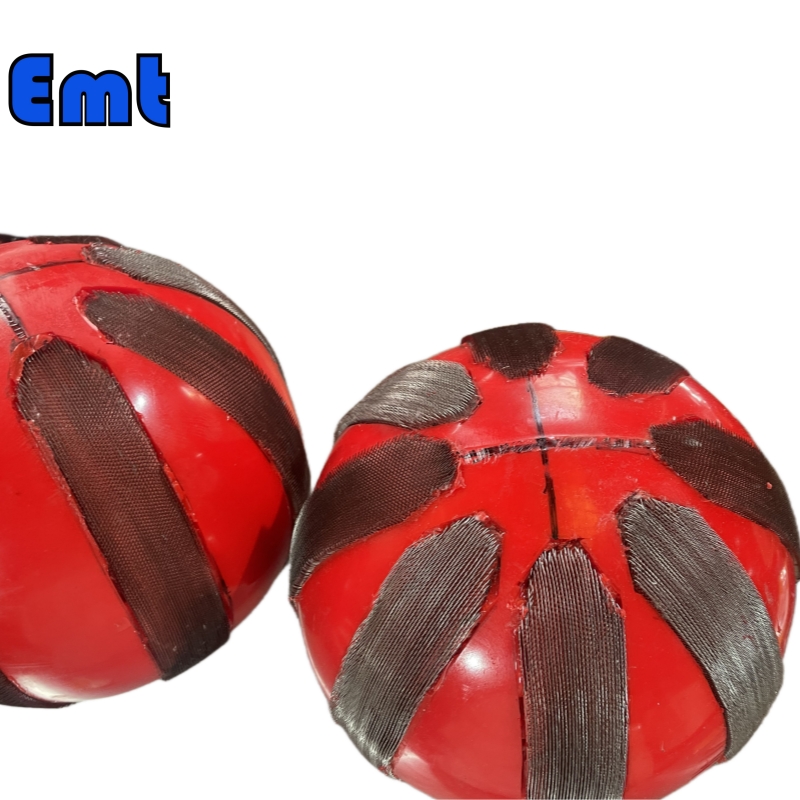
Advantages of Pigging Ball With Brushes
The ball shape navigates pipelines smoothly. It easily moves through bends, elbows, and other obstacles. This shape ensures thorough cleaning by maintaining constant contact with the pipe walls. The ball design distributes pressure evenly, improving cleaning efficiency. It also minimizes the risk of getting stuck in the pipeline. This shape allows for easy insertion and removal, simplifying the pigging process.
Adding brushes enhances the cleaning power of the ball. Brushes scrub the pipe walls, removing stubborn debris and buildup. They reach into crevices and irregular surfaces for a deeper clean. The combination of ball shape and brushes ensures comprehensive coverage. This design improves the effectiveness of each pigging pass. It also reduces the need for multiple pigging runs, saving time and resources. Additionally, brushes help in maintaining the internal diameter of the pipeline, ensuring optimal flow and efficiency.
Key Features of Pigging Balls
Pigging balls offer several key features that make them highly effective for pipeline cleaning. They can be easily inflated or deflated to fit most pipeline interiors, accommodating both standard and ultra-thin wall pipes. This adjustability allows them to be further inflated to compensate for wear, ensuring a prolonged lifespan. Made from polyurethane, these pigging balls provide strong resistance to abrasion, low temperatures, and hydrocarbons. They exhibit maximum flexibility and tear strength, ensuring durability during cleaning operations. Additionally, they do not swell or blister, maintaining their effectiveness over time. For specialized needs, manufacturers can pour different durometers upon request, offering tailored solutions for various pipeline conditions.
Parameters
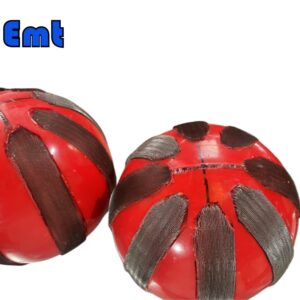
| Name | Pigging Ball With Brushes | ||||
| Material | Polyurethane | ||||
| Light Density | 0.02-0.3g/m3 | ||||
| Medium Density | 0.08-0.12g/m3 | ||||
| Heavy Density | 0.13-0.16g/m3 | ||||
| Feature | 1. High wear resistance | ||||
| 2. Good cleaning performance | |||||
| 3. Low cost | |||||
| Payment | TT/LC | ||||
| Advantage | 1. They are lightweight and flexible. | ||||
| 2. Nice cleaning efficiency. | |||||
| 3. Accurate location tracking. | |||||
Frequently Asked Questions (FAQs)
What Pipelines Can Benefit Most from Pigging Balls with Brushes?
Pigging balls with brushes are highly versatile and suitable for various pipeline systems. Oil and gas pipelines benefit significantly from their ability to remove deposits and maintain flow efficiency. Natural gas pipelines also see advantages, as these pigging balls can effectively clear debris and prevent blockages. Chemical pipelines, often dealing with corrosive substances, benefit from the thorough cleaning and removal of residues that pigging balls with brushes provide. Additionally, water pipelines use these devices to ensure cleanliness and prevent contamination, maintaining high water quality standards.
Recommended Frequency for Different Industries
In the oil and gas industry, weekly to monthly pigging is common to maintain optimal flow and prevent deposit formation. Chemical industries may schedule pigging monthly or quarterly based on the transported chemicals’ properties. Water utilities typically perform pigging annually, although more frequent pigging may be necessary for systems with known biofilm issues or high sediment levels.
Can Pigging Balls with Brushes Handle High Pressure?
Pigging balls with brushes are designed to withstand high-pressure environments common in oil, gas, and chemical pipelines. Their polyurethane composition provides excellent resistance to pressure, ensuring they maintain shape and effectiveness even under challenging conditions. However, it is vital to check the manufacturer’s specifications for the maximum pressure limits of your specific pigging ball model. Exceeding these limits can compromise the pig’s integrity and effectiveness.
How Do I Choose the Right Durometer for My Pipeline?
Choosing the right durometer involves considering the pipeline material, the type of deposits, and the temperature and pressure conditions. A softer durometer is suitable for delicate pipelines or those with minor deposits, as it provides gentle cleaning without damaging the pipeline. A harder durometer is better for pipelines with tough deposits or where more aggressive cleaning is needed. Consulting with the pigging ball manufacturer can provide valuable insights into the best durometer for your specific application.
Reviews
There are no reviews yet.