
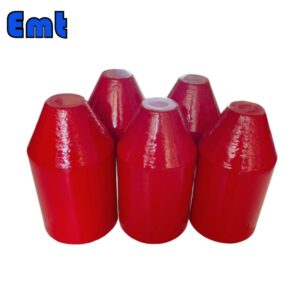
 Pipe Pigs For Pipeline Maintenance
Description
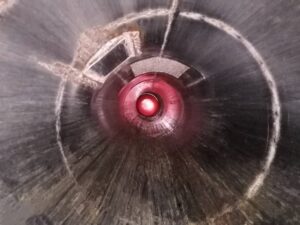
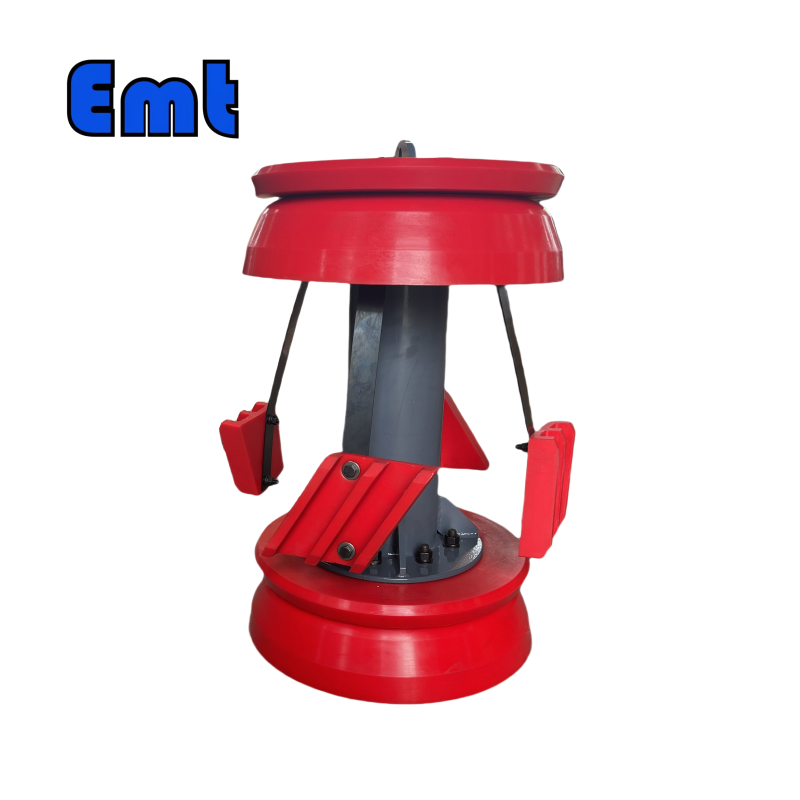
Pigging is a process that cleans and inspects the interior of pipelines in pipeline maintenance. It involves inserting a device called a “pig” into the pipeline, which the flow of the product propels. Pigs can perform various tasks, such as removing debris, separating products, and inspecting the pipeline for damage or corrosion. This process helps maintain efficient flow and ensures the integrity of the pipeline system.
Types of Pigs
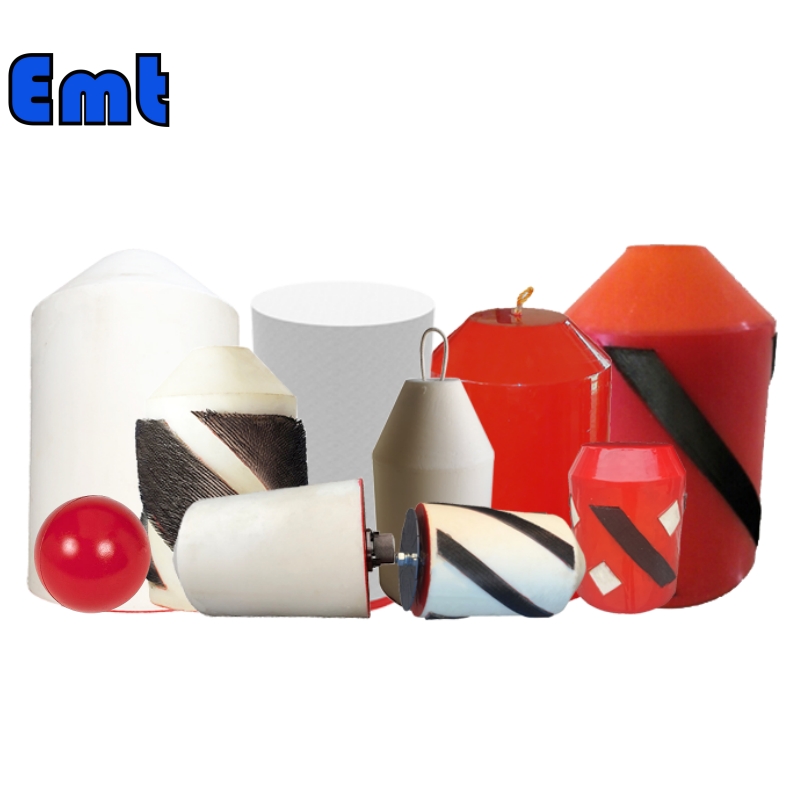
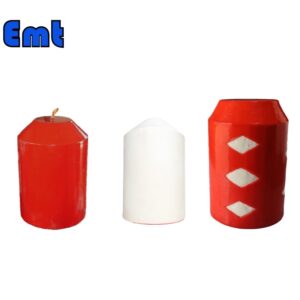
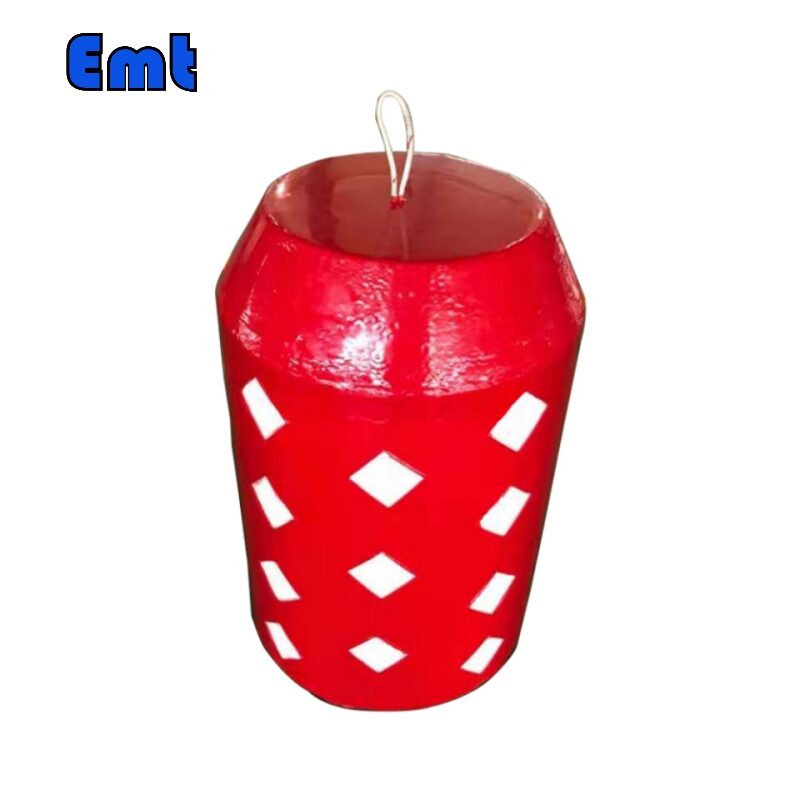
In pipeline maintenance, various types of pigs are utilized to ensure efficient operation and integrity. Foam pigs are popular due to their lightweight and flexible nature, allowing them to navigate bends and varying diameters easily. They’re often used for general cleaning and drying tasks. Utility pigs, equipped with brushes and scrapers, are essential for removing debris, scale, and buildup from pipeline walls. Gel pigs, made from a thick gel-like substance, adapt to the pipeline’s shape and excel in cleaning, dewatering, and product separation.
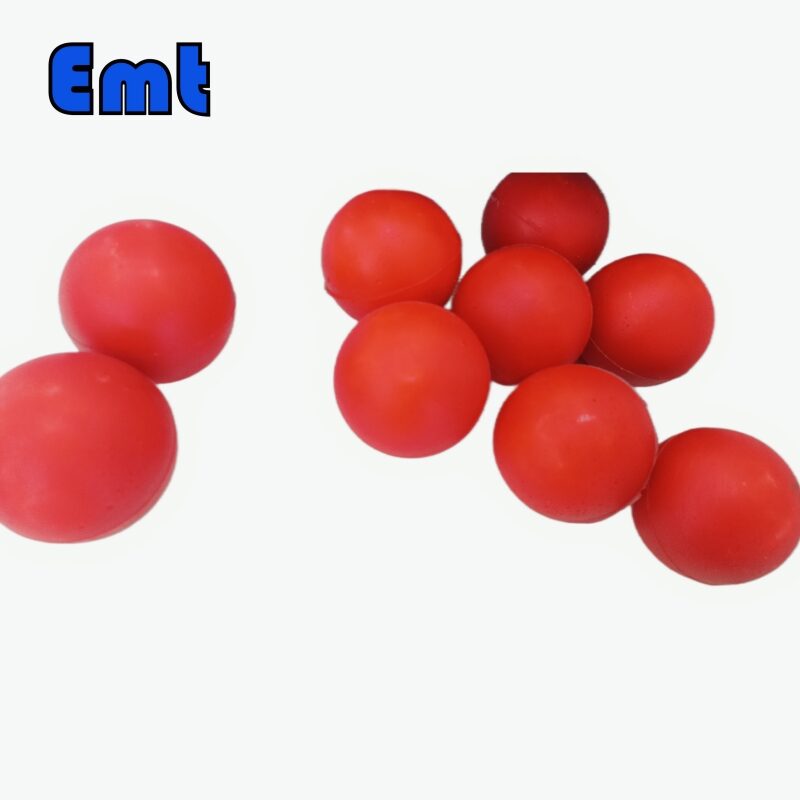
Spherical pigs primarily displace liquids and batch products, effectively separating different substances within the pipeline. Intelligent pigs, equipped with sensors and electronics, provide critical data on wall thickness, corrosion, and other structural issues for inspection purposes. Friction pigs utilize a tight fit to generate friction, efficiently removing stubborn deposits. Each pig type serves specific roles, contributing to the safety, maintenance, and operational efficiency of pipeline systems.
The Key Factors to Consider When Selecting a Pig
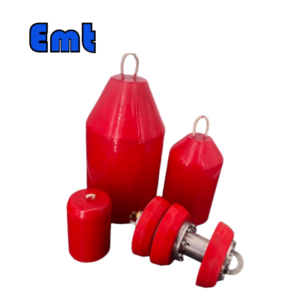
When selecting a pig for pipeline maintenance, it’s crucial to consider the specific characteristics of the pipeline itself. Start by assessing the pipeline’s diameter and length to ensure the pig fits appropriately and can travel the entire distance. Additionally, consider the pipeline material and its current condition, as these factors can influence the type of pig that will be most effective and compatible. The purpose of the pigging operation—whether it’s for cleaning, drying, product separation, or inspection—also plays a significant role in determining the right type of pig to use.
Another important consideration is the operational environment of the pipeline. This includes the type of product being transported, which can affect the choice of pig material to prevent contamination or damage. The pig must also withstand the pipeline’s operating pressure and temperature. Furthermore, the presence of bends, fittings, or other restrictions requires selecting a pig that can navigate these obstacles efficiently. Carefully evaluating these factors ensures that the chosen pig will perform effectively, maintaining the pipeline’s integrity and operational efficiency.
Parameters
| Name | Model | Performance | Technical Parameters |
| Hygroscopic Foam Pig | LCQZ-RTH | 1. It is formed by one-time foaming of polyether polyurethane material. | Starting pressure: 0.2-0.3 MPa |
| 2. Soft texture, and good elasticity. | Density: 35 kg/m³~150 kg/m³ | ||
| 3. It has strong water absorption performance. And the deformation amount can reach 70%. | Withstand pressure: 7 MPa | ||
| 4. Remarkable effect on dewatering, degreasing, and drying of pipelines. | Stretch rate: 320% | ||
| Compression ratio: 60 | |||
| Flex life: 50,000 times | |||
| Attrition rate: 4 mm/100 km | |||
| Operating distance: 50 km~150 km | |||
| Operating temperature: -30℃~100℃ | |||
| Bare Foam Pig | LCQZ-RTN | 1. Soft texture and good flexibility. | Starting pressure: 0.02 MPa |
| 2. With strong water absorption, the deformation amount can reach 60%. | Density: 35 kg/m³~220 kg/m³ | ||
| 3. Used for dewatering, cleaning, and drying pipelines. | Withstand pressure: 7 MPa | ||
| Stretch rate: 320% | |||
| Compression ratio: 60 | |||
| Flex life: 50,000 times | |||
| Attrition rate: 4 mm/100 km | |||
| Operating distance: 50 km~150 km | |||
| Operating temperature: -30℃~100℃ |
Accessories
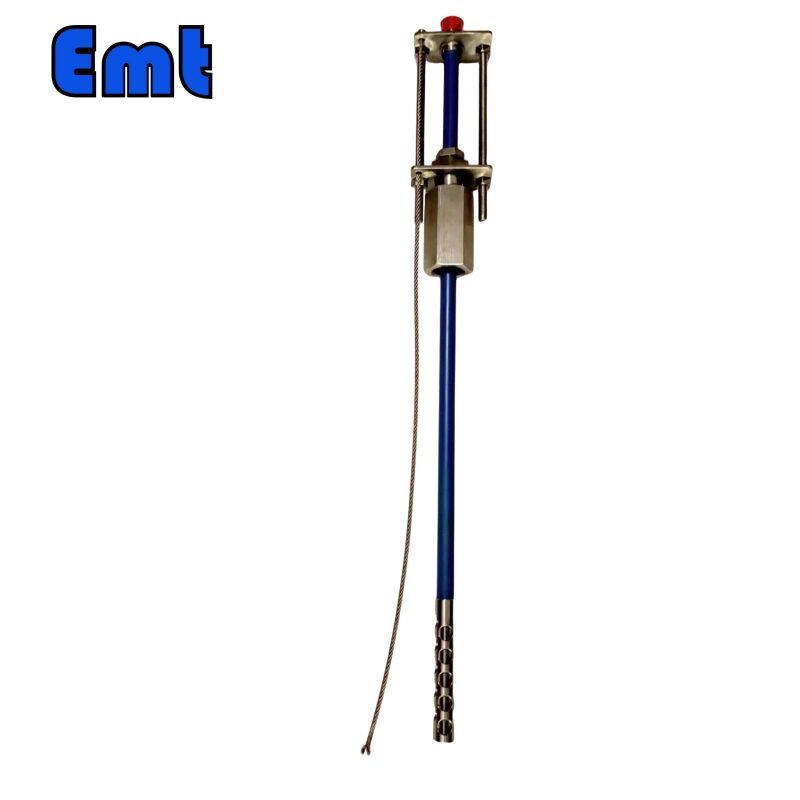
| Electronic Receiver | |
| Continuous working time | 100 hours |
| Receiving distance (air) | ≧18m (long distance 60m) |
| Effective detection distance | ≧5m (long distance 20 meters) |
| Positioning accuracy | ≦0.3m |
| Power supply voltage | DC6V(5# dry battery 4) |
| Electronic Passage Indicator | |
| Continuous working time | 100 hours |
| Receiving distance (air) | ≧15m |
| Effective detection distance | ≧5m |
| Positioning accuracy | ≦0.1m |
| Power supply voltage | DC6V(5# dry battery 4) |
| Pipeline Passage Indicator | |
| Continuous working time | 100 hours |
| Receiving distance (air) | ≧15m |
| Effective detection distance | ≧5m |
| Positioning accuracy | ≦0.3m |
| Power supply voltage | DC6V(5# dry battery 4) |
How Pipeline Pigs Work?
Pipeline pigs are inserted into a “pig launcher” – a section of the pipeline that allows the pig to be inserted without interrupting the product flow. Once launched, the pressure differential between the front and back of the pig propels it through the pipeline. As it travels, the pig performs its designated task (cleaning, inspecting, separating). Upon completion, the pig is removed from a “pig receiver” at the endpoint or another designated part of the pipeline.
Advantages of Using Pipeline Pigs
Efficiency Improvement: By removing deposits and debris, pigs help maintain optimal flow rates and reduce the energy required to pump products through the pipeline.
Reduced Downtime: Many pigging operations can be performed while the pipeline is in service, minimizing downtime.
Preventative Maintenance: Regular pigging can help identify potential issues before they lead to failures, thereby reducing repair costs and extending the pipeline’s lifespan.
Environmental Safety: By maintaining the integrity of the pipeline, pigging reduces the risk of leaks, which can have severe environmental and economic consequences.
Conclusion
Pipeline pigs are essential for the proactive maintenance and operation of pipelines. Their ability to clean, inspect, and separate contents within the pipeline while it remains in operation makes them a valuable tool for ensuring the longevity and efficiency of these critical infrastructures. As technology evolves, the capabilities of smart pigs continue to expand, offering more detailed and accurate data to support pipeline maintenance and safety initiatives.
Reviews
There are no reviews yet.