

Description
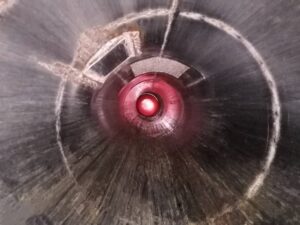
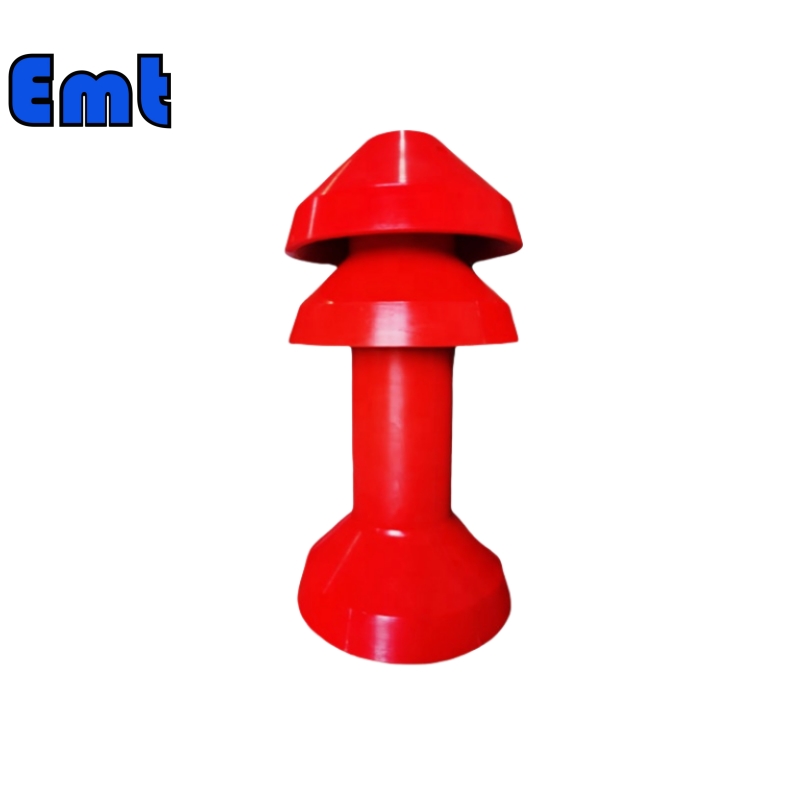
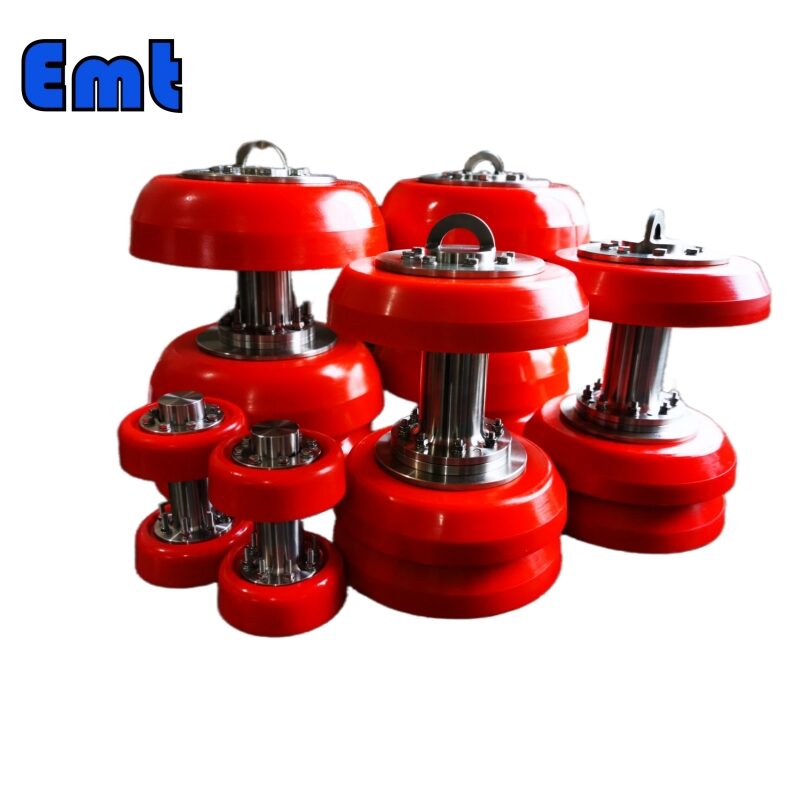
When pigging a pipe, insert the pig through a launching station into the pipeline. Once inside, fluid pressure pushes the pig forward. The EMT pig’s design allows it to scrape debris and buildup from the pipe walls as it moves. This action helps clean the interior surface of the pipeline.
As the pig progresses through the pipe, it can also perform inspection tasks. Some pigs are equipped with sensors to detect irregularities or damages within the pipeline. This information aids in identifying potential issues early on.
After the pig has traversed the length of the pipeline, it is removed through a receiving station. The debris collected by the pig is typically disposed of properly. Regular pigging helps maintain pipeline integrity, ensures smooth flow, and prevents issues like corrosion and blockages.
Why Should You Pig A Pipe?
Pig A Pipe can remove fluid and debris from the pipe. It can also reduce friction loss, thereby improving the transmission efficiency of the pipeline. In addition, it can avoid water accumulation in low-lying areas. Finally, to prevent the occurrence of electrochemical corrosion and mechanical erosion caused by corrosion rupture. It can also sweep away the sediment and corrosion products on the pipe wall, thereby extending the life of the pipe.
How to Pig A Pipe Efficiently?
First, mechanical cleaning
Mechanical cleaning is one of the most common methods in natural gas pipeline cleaning. It is suitable for cleaning pipes with small diameters and can quickly and effectively remove dirt and accumulation in pipes. Mechanical cleaning removes sediment from the pipe by means of a rotating wire brush and a screen brush that moves along the inner wall of the pipe. The job requires specialized tools and experienced technicians to complete.
Second, chemical cleaning
In some cases, mechanical cleaning cannot completely clean the pipe, and chemical cleaning methods need to be used. Chemical cleaning uses different chemical agents for different types of dirt and sediment. Therefore the impurities inside the pipeline quickly decompose and dissolve. After chemical cleaning, the inner wall of the pipeline is very clean, which can avoid damage and blockage of the pipeline.
Three, hydraulic cleaning
Hydraulic cleaning is a cleaning method in which high-pressure water is injected into the inside of a pipe. This method meets the need for efficient, fast, and safe removal of all dirt and sediment from natural gas pipelines. When the water flows through the pipe, it pushes all the dirt and residue inside the pipe with high intensity. This method applies to a wider range of pipe sizes and types.
Fourth, efficient cleaning suggestions
In order to ensure the high efficiency of natural gas pipeline cleaning, it is recommended to adopt the strategy of combining various cleaning methods. First of all, the hot melt natural gas pipeline must be mechanically cleaned so that a part of the impurities in the pipeline and the material on the surface of the inner wall of the pipeline are removed. Secondly, dirt and residue adhering to the inner wall of the pipe can be removed by using chemical cleaning methods. Finally, the use of hydraulic cleaning ensures that the pipe is cleaned and ready to return to normal operation.
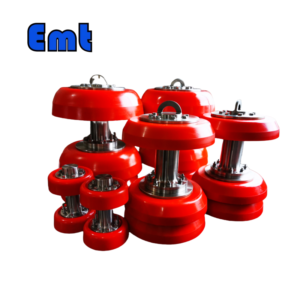
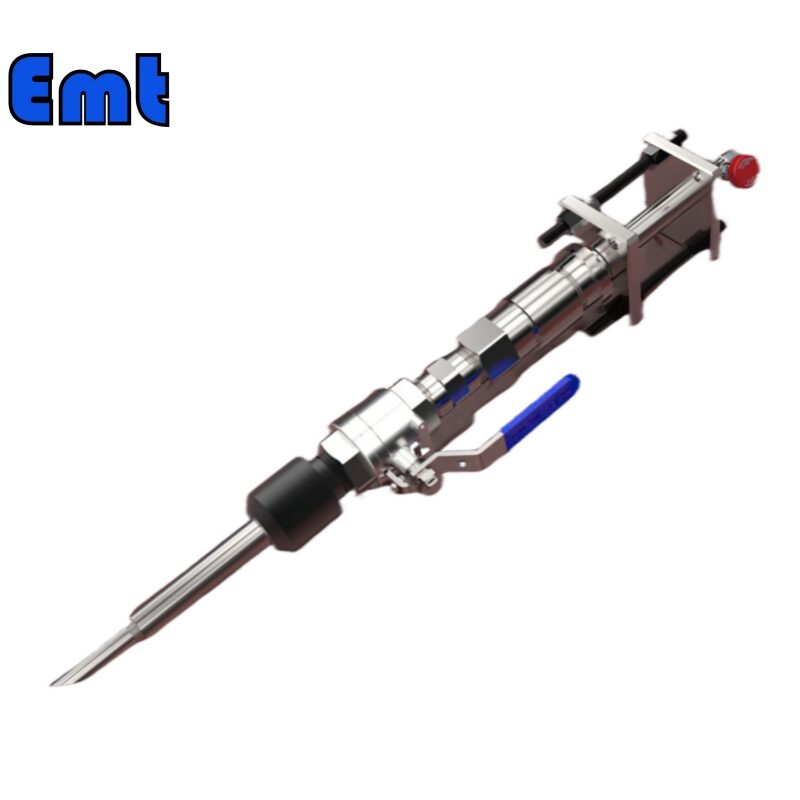
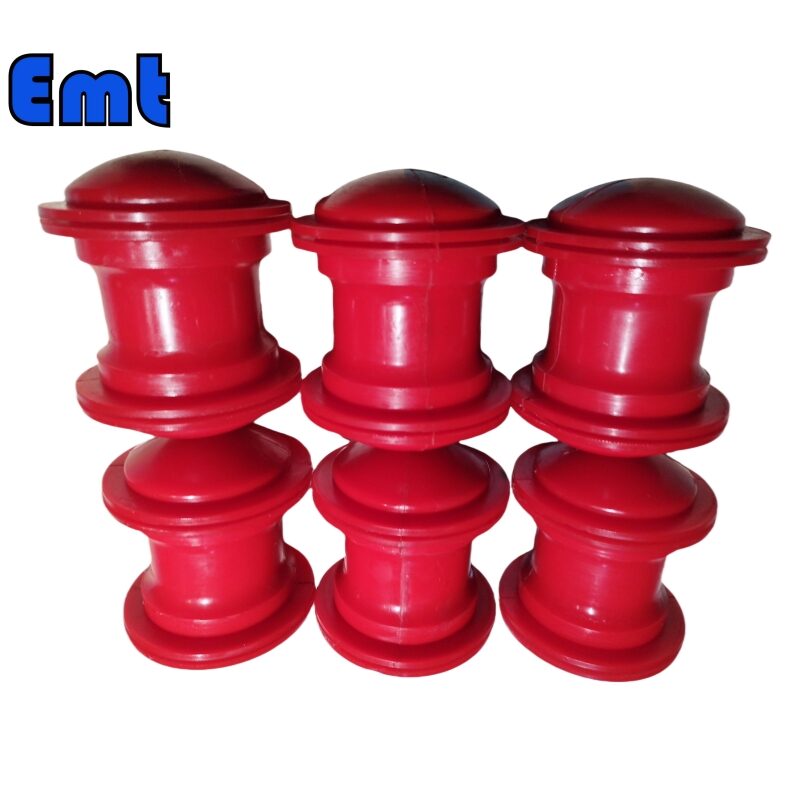
EMT Pigging Tools
| Name | EMT Pigging Pigs |
| Material | 1. steel framework main body. |
| 2. The disc material used to be Polyurethane, Viton, Neoprene, Nitrile butadiene etc. | |
| 3. The cup material used to be Polyurethane, Viton, Neoprene, Nitrile butadiene etc. | |
| 4. Steel brush or nylon brush. | |
| Feature | 1. Firstly, good wearing resistance. |
| 2. Secondly, strong passing ability. | |
| 3. Nice cleaning performance. | |
| 4. Then accurate location and tracking. | |
| 5. At last, a low rate of false positives. | |
| Packing way | packed pipe cleaning pigs with inner plastic film and outer plywood wooden case. |
| Payment | TT/LC |
| Advantage | 1. Firstly, good sealing performance. |
| 2. Secondly, high wear resistance. |

Reviews
There are no reviews yet.