
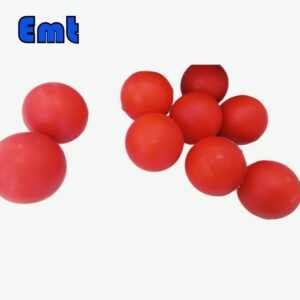
 Pigging Balls for Pipeline Cleaning

Description
Oil Pipe Pig
Oil pipe pig is a mechanical device used in the oil and gas industry for cleaning and maintaining pipelines. They travel through pipelines, propelled by the flow of the product, to remove deposits, debris, and impurities. This process ensures efficient flow and safe operation of the pipeline.
Oil Pipe Pig | |
Cup Material | Polyurethane |
Middle Material | Carbon Steel |
Medium Temperature | -40 Deg.C ~ +120 Deg.C |
Size Range | 2 inches ~ 60 inches |
SUMMARY OF TEST RESULTS | ||||
NO. | TEST PROJECT | UNITS | TEST RESULT | TEST METHOD |
1 | Shore hardness | Shore A | 83 | GB/T531.1-2008 i.e. |
2 | DIN abrasion | mm3 | 21 | GB/T53516-1987 i.e. |
3 | Akron abrasion | crn3 | 0.0518 | GB/T1689-1998 i.e. |
4 | 100%stress at definite elongation | MPa | 3.41 | GB/T528-2009 i.e. |
5 | 300%stress at definite elongation | MPa | 5.74 | GB/T528-2009 i.e. |
6 | Tensile strength | MPa | 51.2 | GB/T528-2009 i.e. |
7 | Elongation at break | % | 1263 | GB/T528-2009 i.e. |
8 | Tear strength (right Angle) | kN/m | 77 | GB/T529-2008 i.e. |
9 | Resilience rate | % | 34 | GB/T168-2009 i.e. |
Types of Oil Pipe Pig
1. Foam Pigs

Applications and Benefits:
Foam pigs are versatile and lightweight, used for cleaning, dehydrating, and drying pipes. They navigate complex geometries and effectively remove light debris and water. Their cost-effectiveness and reusability make them ideal for various maintenance tasks.
Limitations and Considerations:
Foam pigs may not remove heavy or hardened deposits effectively and can wear out quickly in abrasive environments. Frequent replacement can increase operational costs. Additionally, foam degradation can occur in pipelines with aggressive chemicals.
2. Steel Mandrel Pigs
Structure and Design:
Steel mandrel pigs feature a robust design with a steel body and replaceable components like brushes, discs, and cups. Their modular design allows for easy customization.
Typical Uses and Advantages:
Steel mandrel pigs excel in heavy-duty cleaning tasks, removing tough deposits and scale. They handle high-pressure environments well and provide consistent cleaning performance, reducing maintenance costs over time.
3. Brush Pigs
Cleaning Capabilities:
Brush pigs are designed for effective cleaning, featuring brushes that scrub the pipeline interior to remove debris, rust, and scale. They are particularly effective in metal pipelines.
Common Industries and Applications:
Brush pigs are used in various industries, including oil and gas, water and wastewater, and chemical processing. Their versatility makes them a popular choice for routine maintenance.
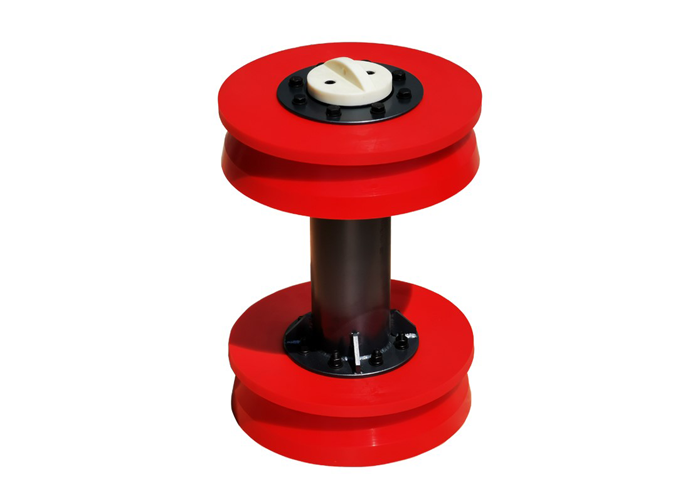
4. Bi-Directional Pigs
Operational Mechanism:
Bi-directional pigs can move in both directions within the pipeline, thanks to their symmetrical design. They create a tight seal, allowing for effective cleaning and inspection.
Key Benefits:
The bi-directional capability provides operational flexibility, saving time and reducing complexity. These pigs are useful in pipelines with limited access points, simplifying maintenance operations and improving efficiency and safety.
In summary, oil pipe pigs are essential tools for maintaining and ensuring the efficient, safe, and compliant operation of pipelines in the oil and gas industry.
Importance of Oil Pipe Pigs in Pipeline Maintenance
Enhancing Operational Efficiency
Oil pipe pigs play a crucial role in maintaining pipeline efficiency. They remove deposits and debris that can impede flow, ensuring optimal performance. This cleaning reduces blockages, leading to lower energy consumption and decreased operational costs. Regular pigging operations extend the lifespan of pipelines by preventing costly repairs and replacements. By keeping the pipeline interior clean, oil pipe pigs improve overall performance and help operators detect potential issues early, minimizing downtime and increasing productivity.
Ensuring Safety and Environmental Compliance
Safety is paramount in pipeline operations, and oil pipe pigs contribute significantly to this aspect. By cleaning the pipeline, they reduce the risk of corrosion and leaks, which are essential for avoiding hazardous incidents. Additionally, oil pipe pigs help detect structural weaknesses early, allowing for timely repairs that ensure safety. Clean pipelines also reduce the chances of environmental contamination from leaks, aiding in regulatory compliance and protecting the environment. Regular pigging operations help operators meet regulatory requirements, avoiding legal complications and ensuring safe, efficient, and compliant pipeline operations.
How to Pig a Pipeline
Pigging involves inserting a specialized tool called a “pipe pig” into the pipeline to remove debris, grease, corrosion, and cracks. Experienced professionals must carry out this process due to its hazardous nature.
Why Are They Called Pigs?
The term “pigging” has various origin theories. One suggests that early leather-bound tools made a squealing sound like a pig when passing through pipes. Another explains that the pig lies like a pig in mud after cleaning, hence the name “Pigging.”
_032003200_4429.jpg)

Reviews
There are no reviews yet.