
 Monolithic Insulation Joints
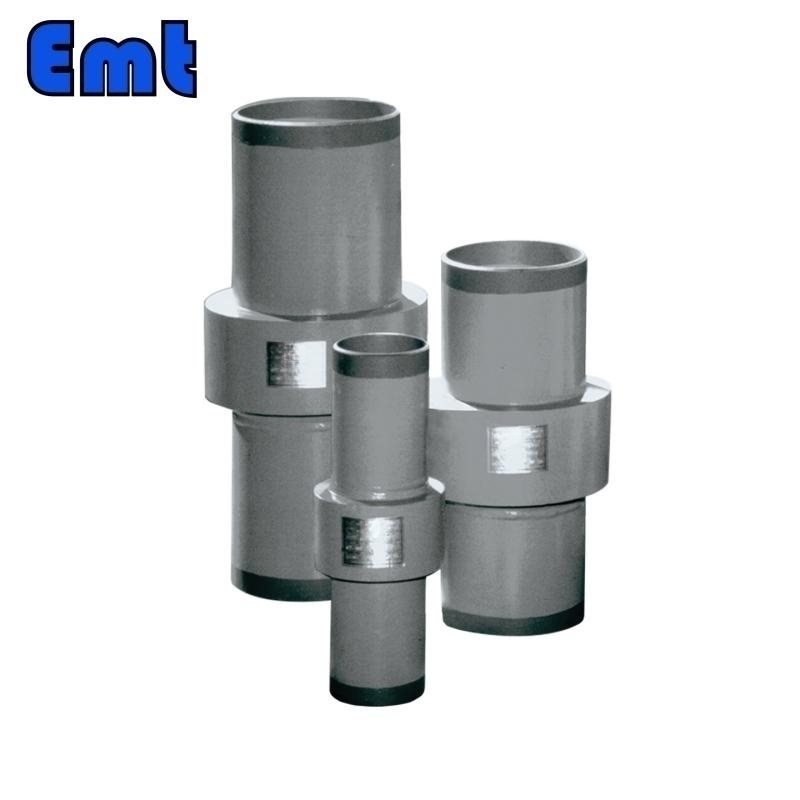
Description
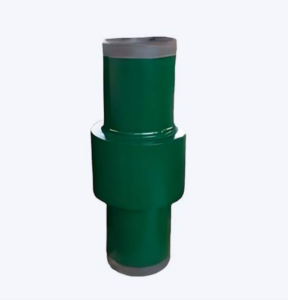
Monolithic Insulation Joints play a pivotal role in pipeline systems. They effectively isolate cathodic protection systems. These joints prevent electrical currents from traveling along the pipeline. Additionally, they ensure safety by controlling stray currents. Monolithic Insulation Joints offer a reliable solution for pipeline integrity. They are designed to withstand harsh environmental conditions. Furthermore, these joints are crucial for preventing corrosion and maintaining pipeline efficiency. Their installation is essential for enhancing the longevity of pipelines. Overall, Monolithic Insulation Joints are vital components in pipeline infrastructure, safeguarding against corrosion and ensuring operational reliability.
Technical Performance
Operating Pressure: design pressure 1.6-42MPa
operating temperature: design temperature -40~+300℃
resistance: greater than 10M at 2.5 KV DC
insulation strength: 30s no breakdown at 50 Hz 3KV, AC
the performance of the new type ZJ3 insulation joint has reached the advanced level of the international similar products
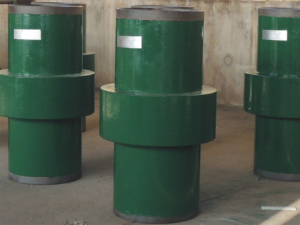
Applications of Monolithic Insulation Joints
Monolithic insulation joints serve various industrial applications. They provide electrical isolation in pipelines. This isolation prevents corrosion caused by stray currents. Additionally, they ensure safety in cathodic protection systems. These joints find usage in oil and gas pipelines. They protect pipelines from electrical interference. Moreover, they enhance pipeline longevity by minimizing corrosion.
In chemical processing plants, monolithic insulation joints prevent chemical reactions between different pipeline sections. They ensure the safe transport of reactive chemicals. Water treatment facilities also benefit from these joints. They prevent galvanic corrosion in metal pipes. This prevention improves the lifespan of the water treatment infrastructure.
Moreover, power plants use monolithic insulation joints to isolate sections of their cooling systems. This isolation prevents electrical faults from spreading. These joints also find applications in offshore platforms. They protect against electrical currents in seawater environments. This protection is crucial for the integrity of the platforms.
Railway systems use these joints to prevent electrical interference in signaling systems. They ensure reliable communication and control. Lastly, monolithic insulation joints support urban gas distribution networks. They maintain system integrity and prevent leaks. These applications highlight the versatility and importance of monolithic insulation joints in enhancing safety and longevity across industries.

Reviews
There are no reviews yet.