
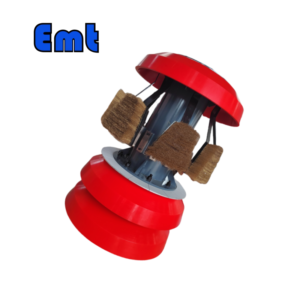
 Scraper Pipeline Manufacture

Description
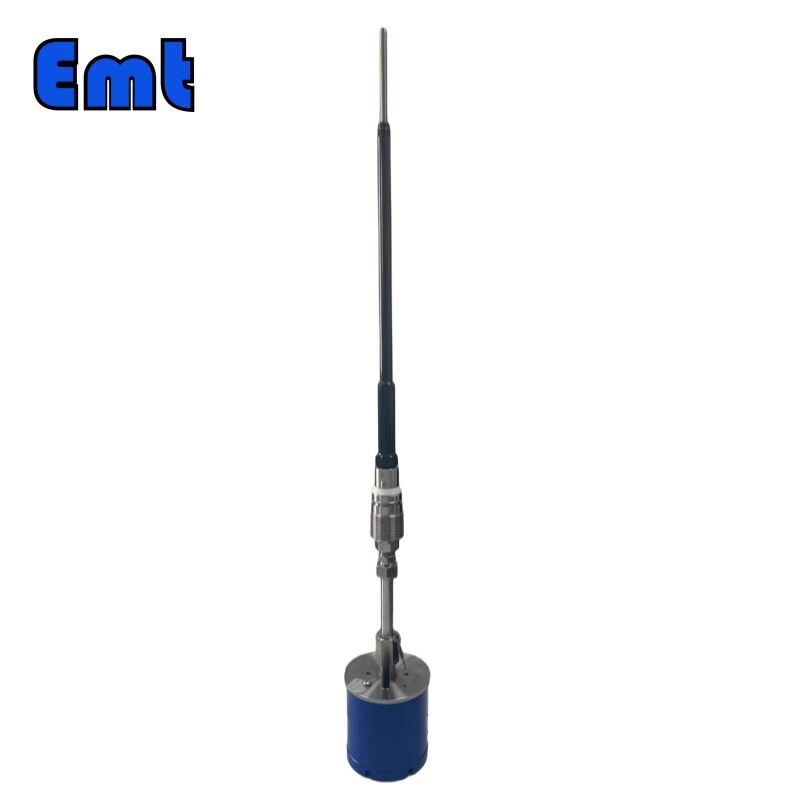
The ECP series ER Probe for Corrosion Monitoring is a specialized instrument designed to monitor and assess corrosion levels within industrial systems. It detects changes in the resistance of its sensing elements when exposed to corrosive environments. This probe is essential for the early detection of corrosion, which is critical for preventing equipment failure and ensuring safe production processes. It can handle pressures up to 26 MPa, making it suitable for a wide range of industrial applications.
1. Design and Components of the ECP ER Probe for Corrosion Monitoring
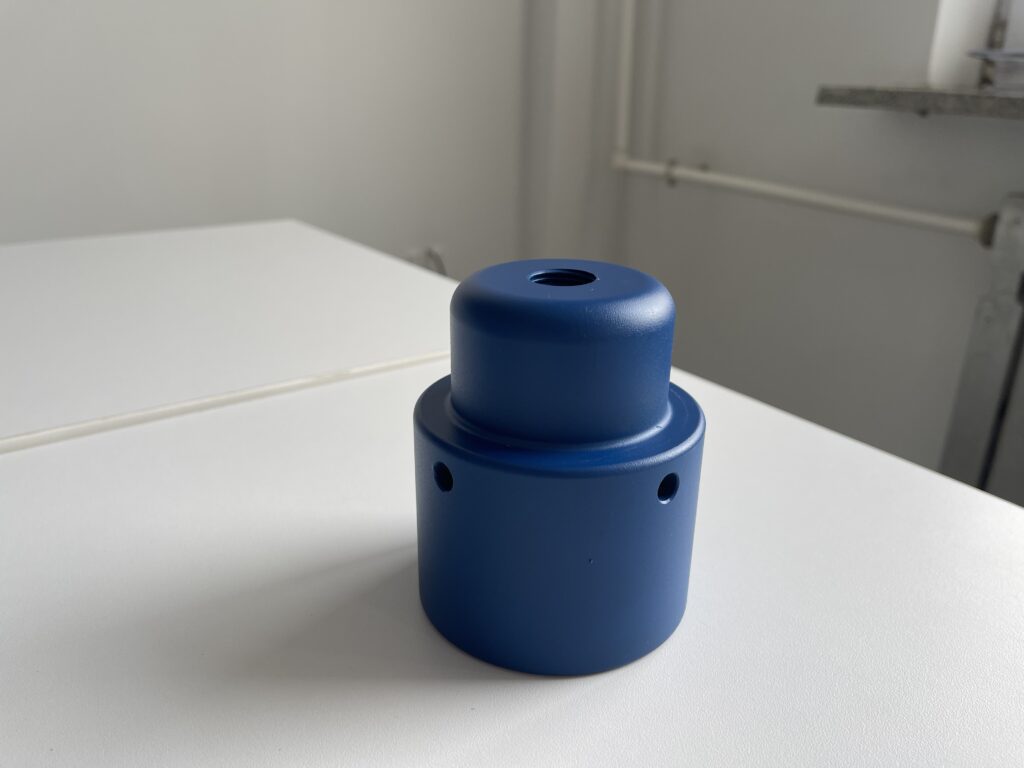
Protective Cover
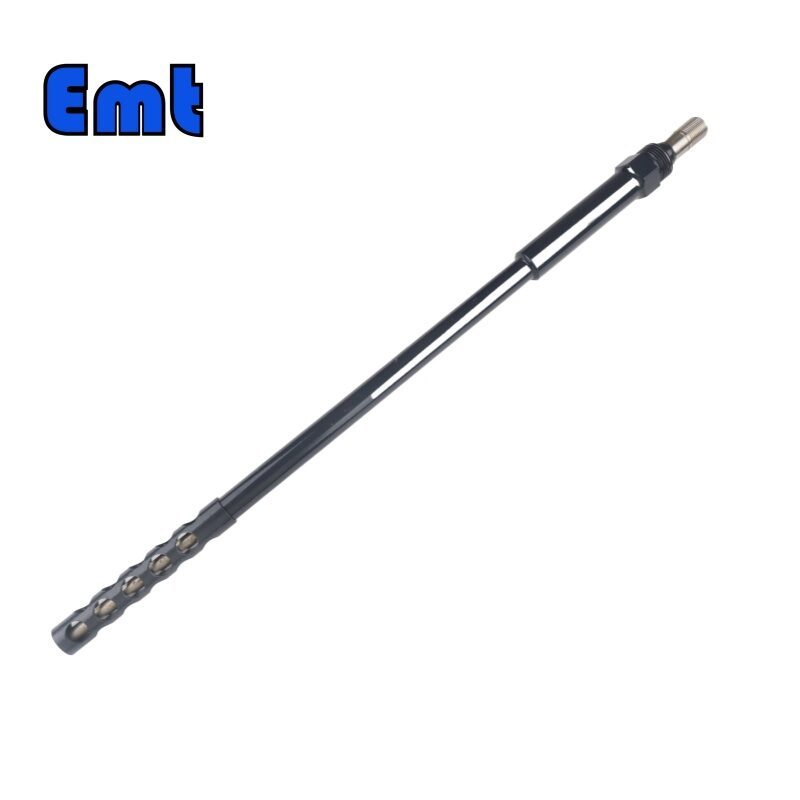
The protective cover is a vital component of the ECP series probe assembly. It acts as a physical barrier, protecting the sensitive internal components from environmental contaminants, mechanical impacts, and chemical exposures. Typically made from high-grade materials like 316L stainless steel, the cover withstands harsh industrial conditions while maintaining structural integrity.
Resistance Probe
At the core of the ECP series’ functionality is the resistance probe, designed to detect resistance changes due to corrosive processes on metal surfaces. It comes in two configurations:
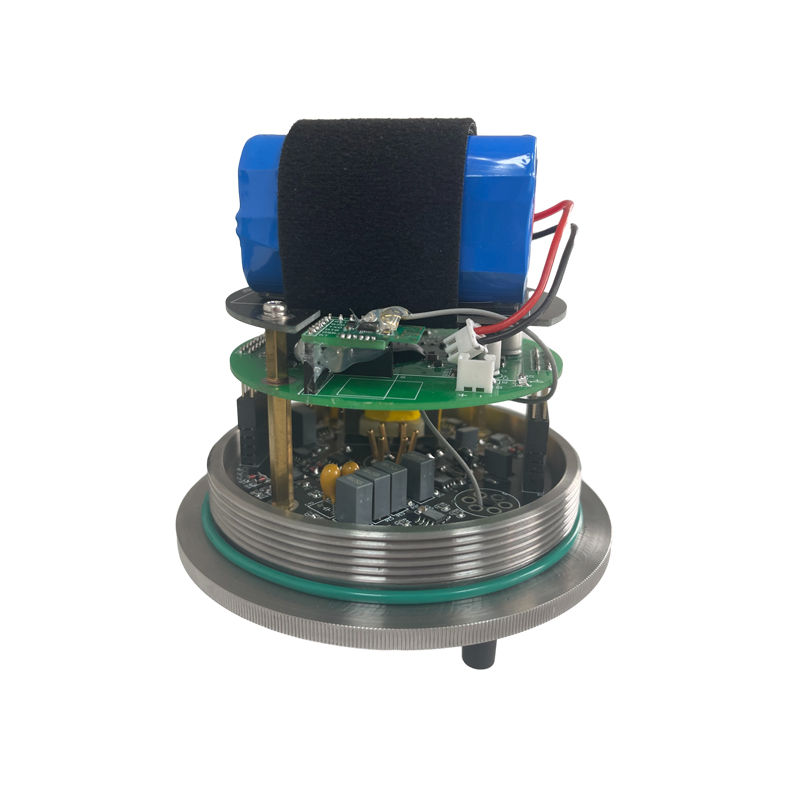
- Cylindrical Resistance Probe. Suitable for general-purpose applications, its cylindrical shape facilitates easy installation and consistent exposure to corrosive media, ensuring uniform readings.
- Sheet (Needle) Resistance Probe. This thinner, more focused variant is ideal for precise detection in narrow or confined spaces, providing targeted monitoring and detailed analysis of localized corrosion.
2. Temperature and Pressure Gauge Component
Integrated within the probe assembly, this gauge is crucial for monitoring the operational conditions surrounding the probe. It measures both temperature and pressure, which significantly influence corrosion rates and the resistance changes detected by the probe. Monitoring these parameters ensures that resistance data are accurately contextualized with environmental conditions.
3. Materials and Construction
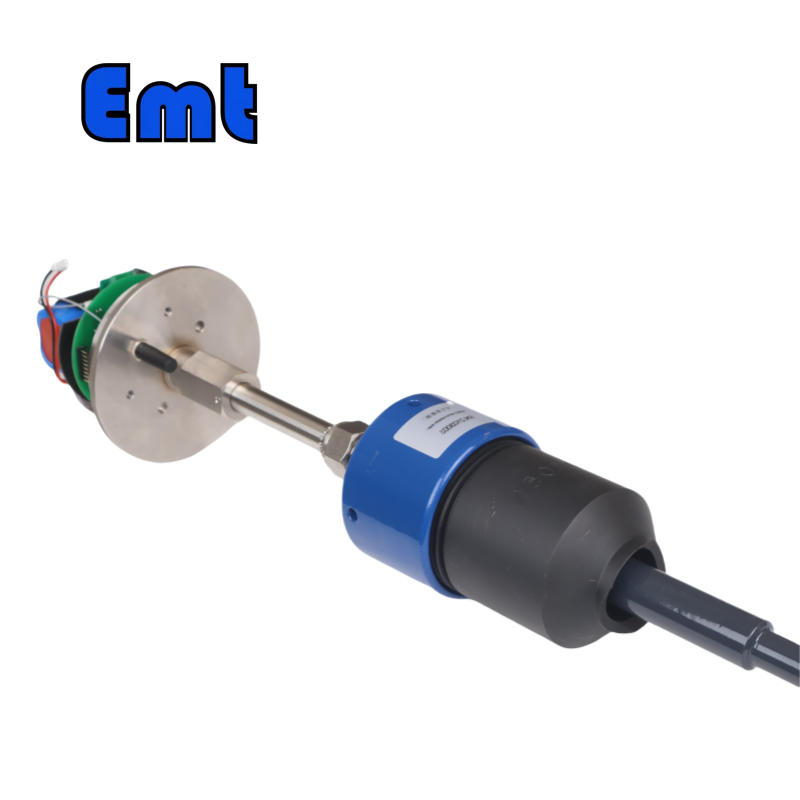
- Metal Materials. The probe and its fixtures are made from 316L stainless steel and F51 duplex stainless steel, selected for their superior strength and corrosion resistance.
- Sealing Materials. Teflon and fluororubber work for their excellent sealing properties and chemical resistance, maintaining integrity between -20°C and 200°C and withstanding pressures up to 26 MPa.
4. Installation and Operation
The electrical resistance probe can be installed into pipeline systems via welding or flange connections. The flange option uses an ANSI 2″ RF (or RJ) standard, made from carbon steel, 316L stainless steel, or duplex stainless steel, matching the robustness of the probe and facilitating maintenance and inspection.
5. Functionality and Application
Functionality
- Resistance Measurement. The probe contains metallic elements whose resistance varies with changes in their chemical composition and physical structure due to corrosion. Contact with corrosive substances leads to the formation of corrosion products on their surface, altering their resistance.
- Signal Processing. The probe connects to a monitoring system that records resistance levels, detecting minor changes that indicate early stages of corrosion. Advanced signal processing techniques distinguish these changes from normal environmental fluctuations.
- Data Interpretation. Algorithms analyze resistance data to correlate specific values with levels of corrosion, accurately gauging the severity and rate of corrosion over time.
6. Application of the ECP Series Electrical Resistance Probe
The ECP series Electrical Resistance Probe is vital for industries where corrosion can lead to significant risks and operational challenges. Here is an expanded overview of its applications across various sectors:
Oil and Gas Pipelines
In the oil and gas industry, pipelines are the lifeline, transporting valuable resources over long distances. The probe is strategically installed in sections of pipelines that are most susceptible to corrosion. Such as those buried underground, near water bodies, or in high-humidity areas. By monitoring these sections, the probe helps in early detection of corrosion, which is crucial to prevent leaks and ruptures that could lead to environmental disasters and costly operational downtimes.
Chemical Processing Plants
Chemical plants deal with aggressive substances that can rapidly degrade equipment. The ECP probe plays a critical role in these environments by continuously monitoring the condition of pipes and reactors. This constant vigilance allows for timely maintenance and replacement schedules, helping to avoid unexpected breakdowns that could interrupt production and incur significant repair costs.
Water Treatment Systems
In water treatment facilities, maintaining the structural integrity of storage tanks and piping is essential to prevent contamination and ensure efficient processing. The work install the ECP probes to monitor the onset and progression of corrosion within these systems. By providing early warnings, they enable facility managers to carry out necessary repairs before any real damage occurs, thus safeguarding water quality and system reliability.
Marine Structures
Marine environments are exceptionally harsh, with saltwater significantly accelerating the corrosion process. Ships, offshore platforms, and other marine installations are therefore at a high risk of structural failure. The ECP probes are employed to monitor these structures continuously. They provide crucial data that can work to plan maintenance and repairs, ultimately extending the lifespan of the installations and ensuring the safety of operations at sea.


Reviews
There are no reviews yet.