

Description
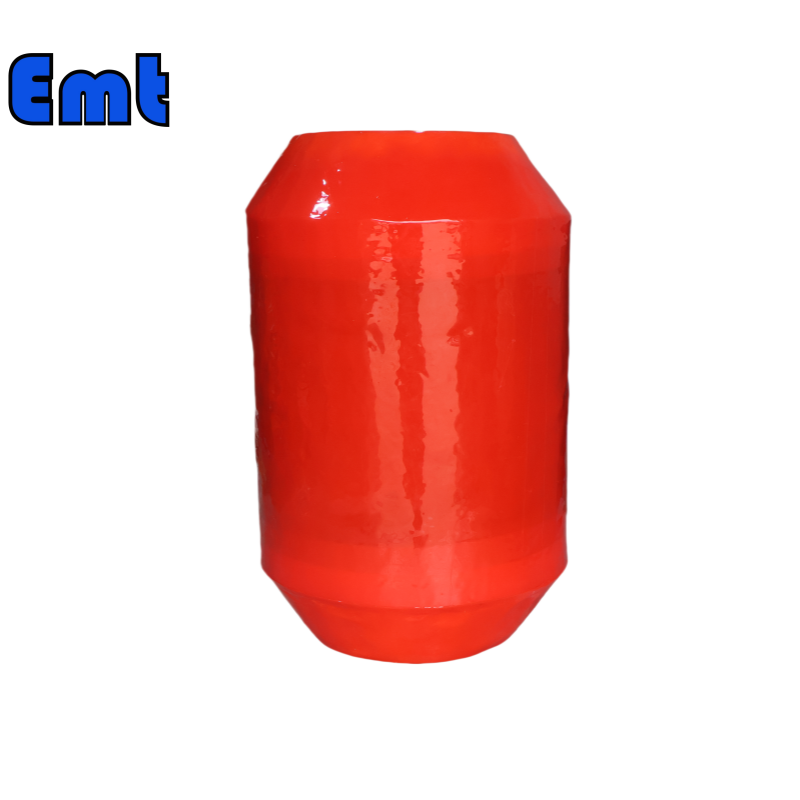
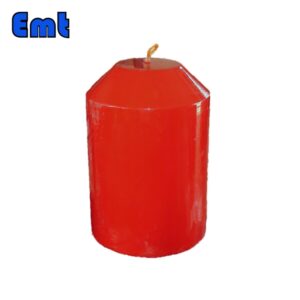
The Poly-Pigs are made with a concave base plate that is coated with a 90A durometer polyurethane. This coating maximizes the rear sealing surface for the propelling forces of the fluids or gases. It ensures that the fluids or gases do not escape from the base of the pig.
Operators normally use swabs or bare pigs, which have only the bases coated, in drying or batching operations. They provide a more efficient and effective way to remove moisture or other substances from a surface.
Special double-nose or double-dished pigs are used in bi-directional service. Therefore they can provide a more effective way of cleaning or removing substances from both sides of a surface.
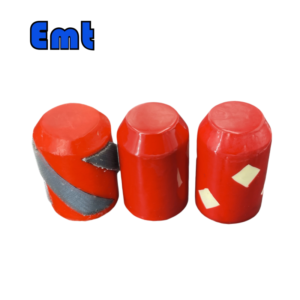
The exterior coatings on the foam bodies consist of criss-cross-type spirals of 90A durometer polyurethane, which provide additional strength and durability to the foam body, as well as giving it a greater wiping and scraping action as compared with bare foam.
Parameters of Poly Pigs
| Poly Foam Pig | LCQZ-RTR | 1. Its interior is foamed by polyurethane material. The surface is coated with a polyurethane elastomer coating. | Starting pressure: 0.02 MPa |
| 2. Good flexibility and certain wear resistance. | Density: 35 kg/m³~220 kg/m³ | ||
| 3. The deformation amount can reach 50%. Which is the most widely used foam pig. | Withstand pressure: 7 MPa | ||
| 4. Used for scrubbing, descaling, and fluid isolation of pipes. | Stretch rate: 320% | ||
| Compression ratio: 50 | |||
| Flex life: 50,000 times | |||
| Attrition rate: 2 mm/100 km | |||
| Operating distance: 100 km~300 km |
| Polyurethane material specification: | ||
| NO. | Factory inspection main indicators | Cup/DISC |
| 1 | 20℃Hardness(SHORE A) | 85±2 |
| 2 | Tensile strength (MPa) | 51.7 |
| 3 | 100%stress at definite elongation (MPa) | 4.8 |
| 4 | 300%stress at definite elongation (MPa) | 9.2 |
| 5 | Tensile set (%) | 780 |
| 6 | Tear strength (KN/m) | 73 |
| 7 | Impact resilience (%) | 32 |
| 8 | DIN abrasion (mm²) | 35 |
Applications of Poly Pigs
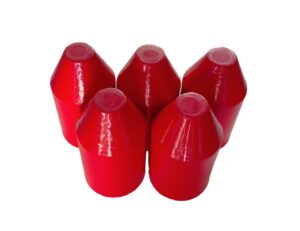
Poly pigs have diverse applications across various industries. They effectively clean pipelines by removing debris and deposits. Operators use them in oil and gas pipelines for maintenance tasks. Additionally, they help in commissioning new pipelines by clearing construction debris. Polly pigs also assist in dewatering pipelines after hydrostatic testing. This prevents corrosion and ensures pipeline integrity.
In the water treatment industry, Polly pigs clean and maintain water distribution systems. They remove biofilm and mineral deposits, ensuring clean water flow. Furthermore, they help in batching operations by separating different products within a pipeline. This prevents cross-contamination and maintains product purity.
Polly pigs are crucial in chemical processing plants for cleaning process lines. Then they remove residual chemicals, preventing contamination and ensuring product quality. Power plants use Polly pigs to clean and maintain condenser tubes. This improves heat transfer efficiency and reduces energy consumption.
In addition, Polly pigs assist in inspecting pipelines for defects or damage. They carry inspection tools that provide valuable data on pipeline conditions. This helps in preventive maintenance and early detection of potential issues.
Overall, Polly pigs are versatile tools that enhance pipeline efficiency, safety, and longevity. Their wide range of applications makes them indispensable in various industries.
_032003200_4429.jpg)
Reviews
There are no reviews yet.