


Description
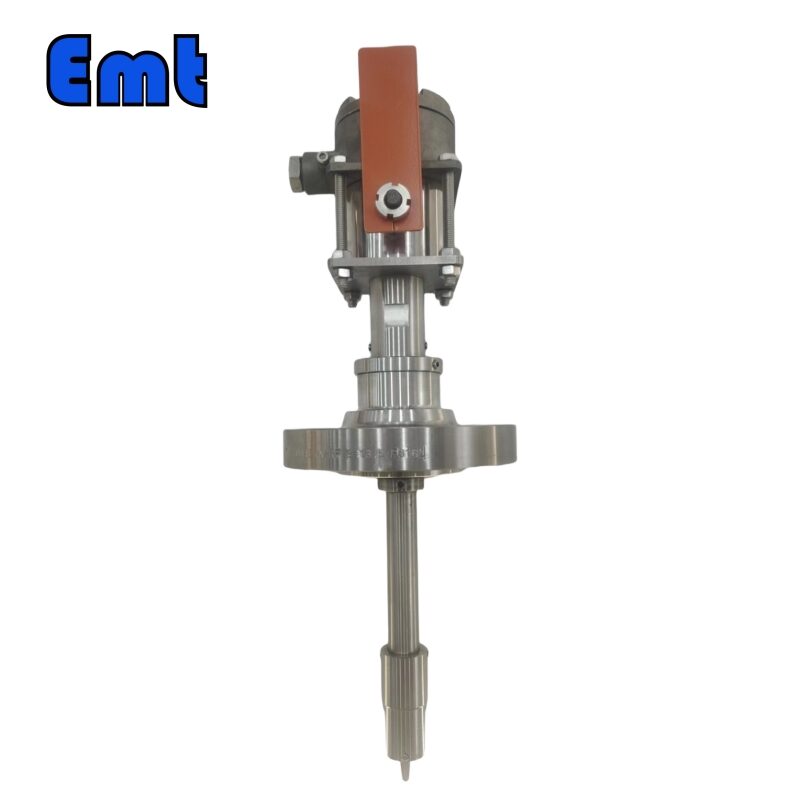
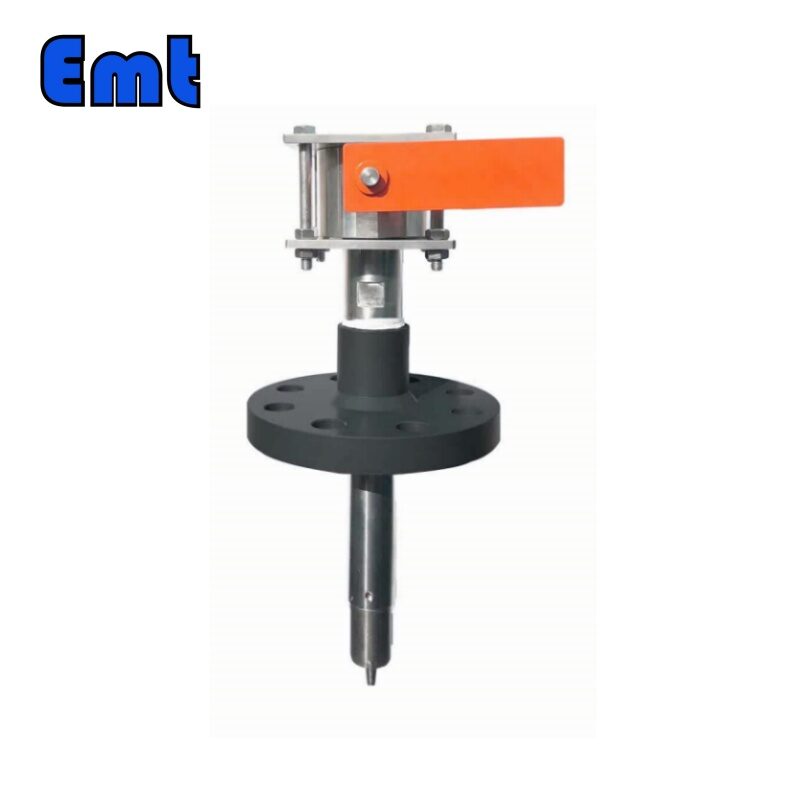
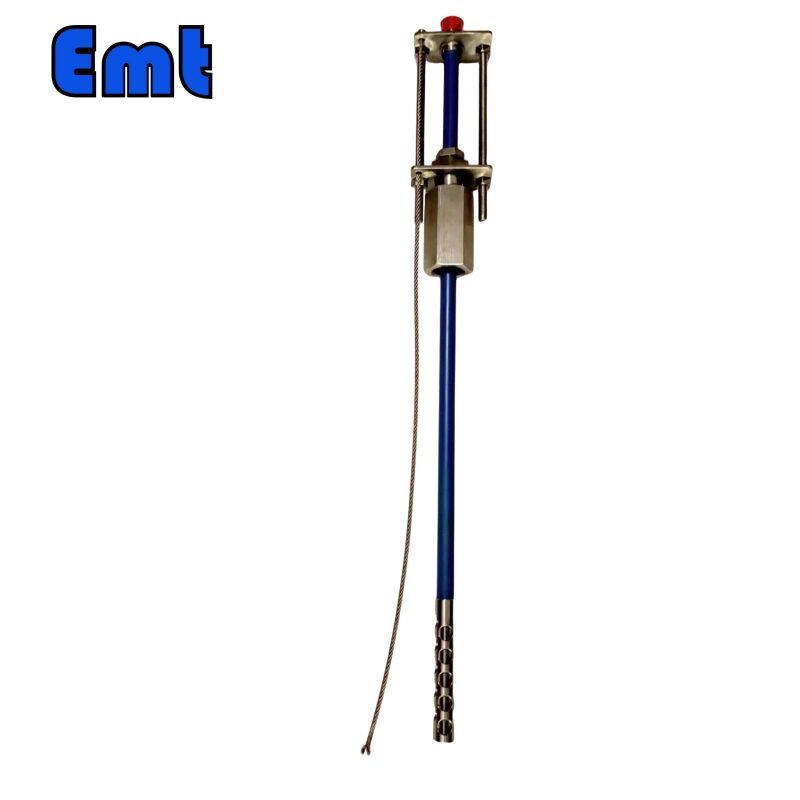
EMT’s corrosion probe is an innovative instrument engineered to evaluate and monitor corrosion. It is used in various industrial environments, including pipelines, refineries, and marine structures. The probe employs advanced electrochemical techniques. It provides real-time insights into corrosion rates. This helps prevent premature failure and extends the lifespan of critical infrastructure. The probe is particularly valuable in industries where corrosion poses significant safety risks and economic losses. It performs reliably under extreme conditions. It delivers precise, actionable data. This makes it an essential tool for maintenance and safety managers. They aim to optimize operational reliability and adhere to regulatory compliance standards.

Technical Specification of EMT’s Corrosion Probe
| LPR Corrosion Data Collector Technical Specification | |
| Technical Specifications | |
| Output signal | Wired form: RS-485 signal |
| Wireless form: LORA, 4G/5G wireless network signal | |
| Record form: Internal storage Bluetooth download | |
| Power supply voltage: | 7-36VDC |
| Instrument Power Consumption: | 5.4W(wired) |
| Linearity: | 0.0015% non-linearity |
| Resolution: | 17 bit |
| B Value: | 25.6 mV |
| Accuracy: | ±0.2% F.S(full scale) |
| Corrosion Rate Range: | When the electrode area is 1cm², the measurement range is 4X10^-4 to 10 mm/year |
| Operational and Storage Conditions | |
| Collector Operating Temperature: | -40~70℃ |
| Collector Storage Temperature: | -40~85℃ |
| Structural Parameters | |
| Protection Class: | IP66 |
| Housing Material: | Cast aluminum or PVC, aviation aluminum, stainless steel (customizable) |
| Process Interface: | 7/8-20UNEF (insertion probe) |
| Electrical Connection: | M20*1.5mm |
| Cable Type: | RVVP 2*1.5mm² (minimum application standard) |
| Installation: | Probe directly mounted on the pipeline, collector can be integrated or installed separately through a cable |
| Weight: | 500g |
| Direct Connection between Probe and Collector: | S22-16 adapter |
| Split Configuration Accessories: | Interface: MS-14-6S double female |
| Split Configuration Connection Cable: | Cable Length: 1-3 meters (customizable) |
| Certifications | |
| Hazardous Area Certification: | EX-d IIC T4 Gb |

Selection Model
| Model | |||||||||||||||
| ECP | Electrical Resistance Probes | ||||||||||||||
| -Code | Plug | ||||||||||||||
| Type | Material | Sealing material | |||||||||||||
| 0 | Not Required | 0 | Carbon steel | 0 | Not Required | ||||||||||
| 1 | Hollow plug | 1 | 316 stainless steel | 1 | Fluorine rubber sealing ring/PTFE main seal | ||||||||||
| 2 | 316L stainless steel | 2 | HNBR | ||||||||||||
| 3 | F51 duplex stainless steel | ||||||||||||||
| Pxxx | 4 | INCONEL nickel based alloy | |||||||||||||
| -Code | Temperature and pressure gauge assembly | ||||||||||||||
| Txxx | Connection size | Body material | Temperature and pressure gauge material | ||||||||||||
| 0 | Not Required | 0 | 304 stainless steel | 0 | Not Required | ||||||||||
| 1 | 1/2″ | 1 | 316 stainless steel | 1 | 304 stainless steel | ||||||||||
| 2 | 3/4″ | 2 | 316L stainless steel | 2 | 316 stainless steel | ||||||||||
| 3 | F51 duplex stainless steel | ||||||||||||||
| -Code | Probe assembly | ||||||||||||||
| Dxx | Connection size | Body material | Pipeline specification (x ″) | ||||||||||||
| 0 | Not Required | 0 | Carbon steel | Probe length varies with pipeline specifications | |||||||||||
| ‐Lx″ | 1 | 1/4″ | 1 | 304 stainless steel | |||||||||||
| 2 | 1/2″ | 2 | 304L stainless steel | ||||||||||||
| 3 | 316 stainless steel | ||||||||||||||
| 4 | 316L stainless steel | ||||||||||||||
| 5 | F51 duplex stainless steel | ||||||||||||||
| Example: ECP-P121-T021-D02-L6 “ | |||||||||||||||

Applications of Corrosion Probe
EMT’s corrosion probe critically monitors and controls corrosion across various sectors, ensuring infrastructure safety and longevity. Particularly in the oil and gas industry, the probe detects corrosion in pipelines and storage tanks. Such detection helps prevent leaks or catastrophic failures. Early detection of corrosion-related deterioration enables timely maintenance and replacement schedules. Consequently, this minimizes downtime and prevents environmental hazards. This proactive approach enhances operational safety and optimizes asset lifecycle management.
Additionally, the probe plays a crucial role in marine applications. It monitors the integrity of ships, offshore platforms, and underwater pipelines. Saltwater environments, being highly corrosive, pose constant threats. The probe assesses the condition of metal structures exposed to seawater. This assessment allows maritime operators to implement necessary protections and repairs. Routine measurements of corrosion rates help ship owners and maintenance crews predict potential failures. Thus, they can plan necessary interventions, ensuring structural integrity and operational readiness of vessels and installations.
Furthermore, the probe is indispensable in the water treatment and chemical processing sectors. These sectors often handle aggressive chemicals that can degrade containment structures like reactors and conduits. The probe tracks material degradation exposed to harsh chemicals. It provides essential data to anticipate maintenance and avoid leaks or contaminations. This tracking capability ensures compliance with stringent health and safety regulations. Therefore, it ensures that facilities operate safely and efficiently while protecting personnel and the environment.

Reviews
There are no reviews yet.