
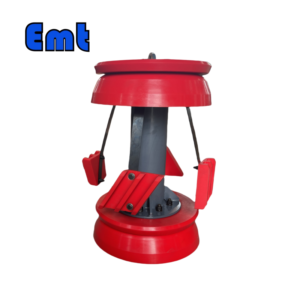
 Gauging Pig Pipeline

Description

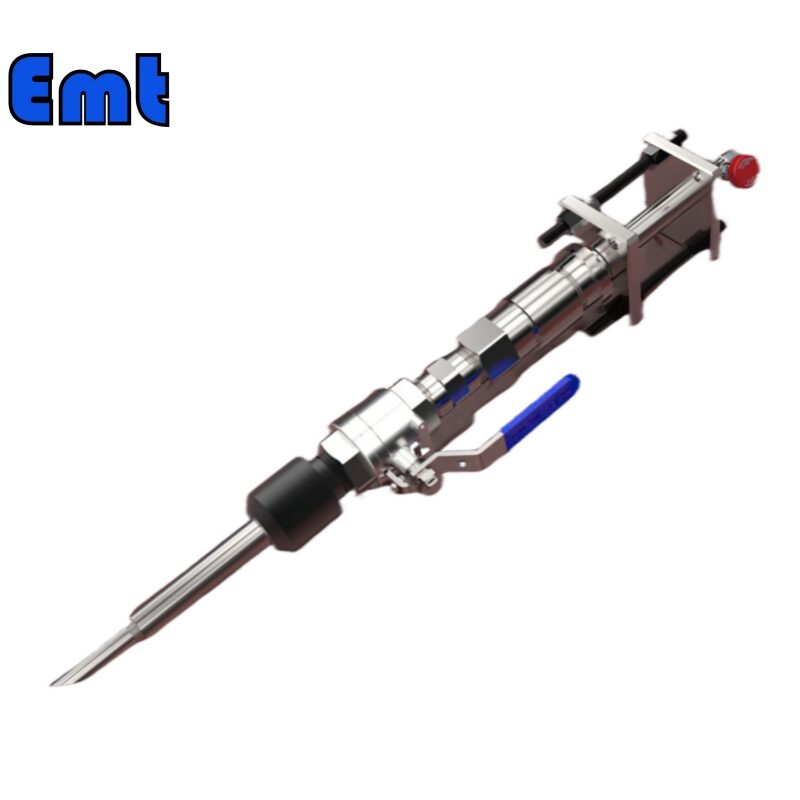
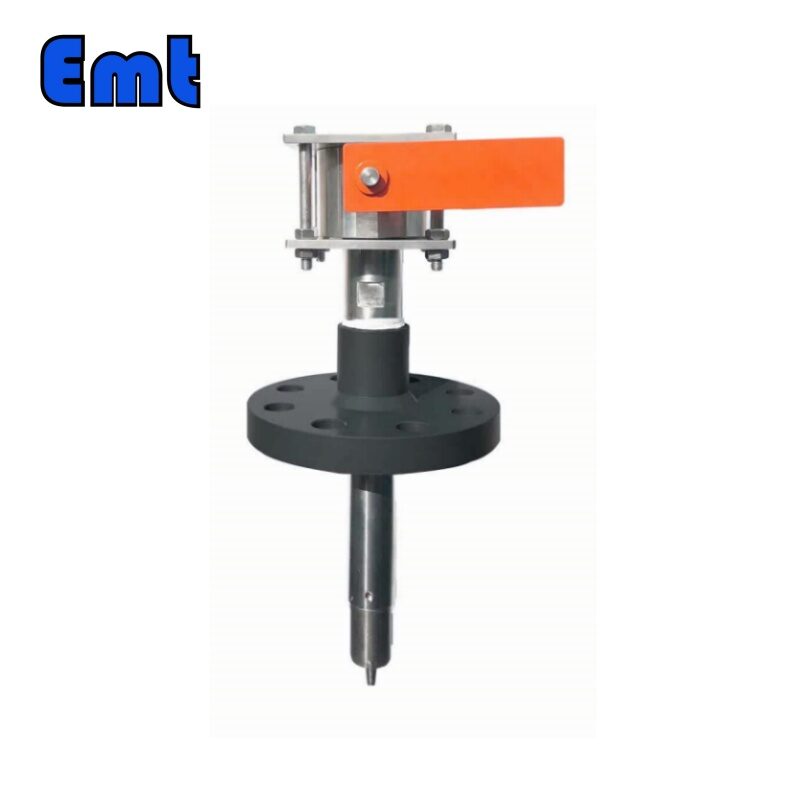
Corrosion Coupon hangs in test containers, field test heat exchangers, or test pipes. Standard metal test coupons work to determine corrosion.
Corrosion coupons assess corrosion in systems like cooling water setups. Users place pre-treated, weighed metal samples in the system for 30 to 90 days. Afterward, they analyze weight loss, corrosion type, and pitting depth. Factors like surface treatment, placement, exposure time, and metallurgical properties influence results. The corrosion process involves a heterogeneous redox reaction.
Corrosion coupons utilize various metals tailored to specific environments. Carbon steel is for general monitoring in water and oil systems due to its prevalence and cost-effectiveness. Stainless steel works well in environments prone to rust and oxidation, providing durability and resistance. Copper alloys are suitable for systems with copper piping, ensuring compatibility and accurate assessment. You can choose Aluminum for lightweight applications where corrosion concerns are mild. Nickel alloys excel in high-temperature or highly corrosive environments, offering robust protection. Selecting the appropriate metal is crucial for effective corrosion monitoring and accurate data collection.
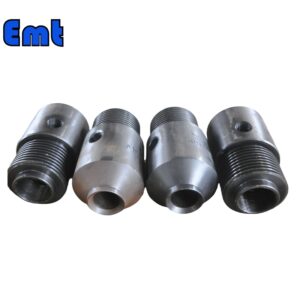
Corrosion mounting test method (auxiliary method)
The hanging corrosion test is a common method to test the corrosion performance of metals. First, you should hang sample pieces on the surface of metals and expose them to corrosive media. Then the corrosion performance of metals in a specific environment can be evaluated. When carrying out the corrosion experiment of the hanging plate method, the experimentalists should strictly follow the standard operating procedure, pay attention to the standardization and safety of the experimental operation, and ensure the accuracy and reliability of the experimental results.
Scope of application
This method is one of the conventional test methods to monitor the relative corrosion and fouling of the cooling water system under the condition of no shutdown
You can use this method alone or in combination with the “linear polarization method” and “monitoring heat exchanger method”. The test results are useful for confirming and adjusting the cooling water chemical treatment scheme and the evaluation of the effect of the drug. However, in general, the test results cannot be considered the actual condition of the system equipment itself (corrosion, scaling, and fouling).
Interfering factor
Ensure the test piece in cooling water is neither affected by heat transfer nor by steam condensation, as the results won’t represent these conditions.
Avoid subjecting the test piece to high flow rates and abrasive particles to maintain the repeatability of the results.
Consider the dissolved oxygen content in cooling water, and immerse the test piece in a representative area.
Use the test piece mainly to observe general corrosion patterns, but also consider special corrosion patterns in design and result interpretation.
About Corrosion
Because the harm of corrosion is very large, in order to do a good job of anti-corrosion work, technicians and workers in anti-corrosion construction should further understand the causes and principles of material corrosion, so as to reasonably choose anti-corrosion methods.
Corrosion refers to the destruction or deterioration of materials under the action of the environment. The materials mentioned here include metallic materials and non-metallic materials.
Corrosion of metal refers to the destruction caused by chemical or electrochemical interaction between metal and the surrounding medium. Sometimes accompanied by mechanical, physical, and biological effects.
Non-metallic corrosion refers to the destruction of non-metallic materials due to direct chemical action (such as oxidation, dissolution, swelling, aging, etc.).
You should note here that simple mechanical wear and damage do not belong to the category of corrosion.

Corrosion Types
Chemical corrosion Metal chemical corrosion refers to the metal and pure non-electrolyte directly cause by pure chemical interaction caused by metal destruction, no current is generated in the corrosion process. For example, the corrosion of aluminum in pure carbon tetrachloride and methane, the corrosion of magnesium and titanium in pure methanol, etc., all belong to chemical corrosion. In fact, simple chemical corrosion is very rare, the reason is that in the above medium, often contains a small amount of water, and the chemical corrosion of the metal into electrochemical corrosion.
Electrochemical corrosion of metals refers to the destruction of metals caused by electrochemical interaction between metals and electrolytes. Its main characteristics are that there are two relatively independent reaction processes – anode reaction and cathode reaction – at the same time in the corrosion process, and there is a current generation. For example, the corrosion of steel in acid, alkali and salt solutions is electrochemical corrosion. Electrochemical corrosion of metal is the most common corrosion phenomenon, and the damage loss caused by electrochemical corrosion is also the most serious.
Comprehensive corrosion of metal is also called uniform corrosion. It means that the corrosion action is carried out simultaneously at basically the same speed on the entire metal surface. For example, the corrosion of carbon steel in strong acids and alkalis is generally comprehensive corrosion. Since this corrosion can be measured according to the nature of various materials and corrosive media, its corrosion rate can be calculated, so that a certain corrosion margin can be set aside in the design. Therefore, the harm of comprehensive corrosion is generally relatively small.
Reviews
There are no reviews yet.