
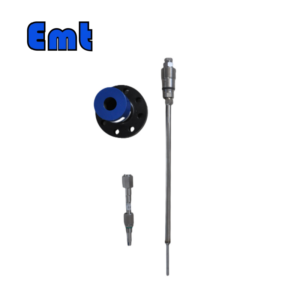
 ER Corrosion Probe
Description
I. Introduction
A. Introduction to the Electrical Resistance Probe
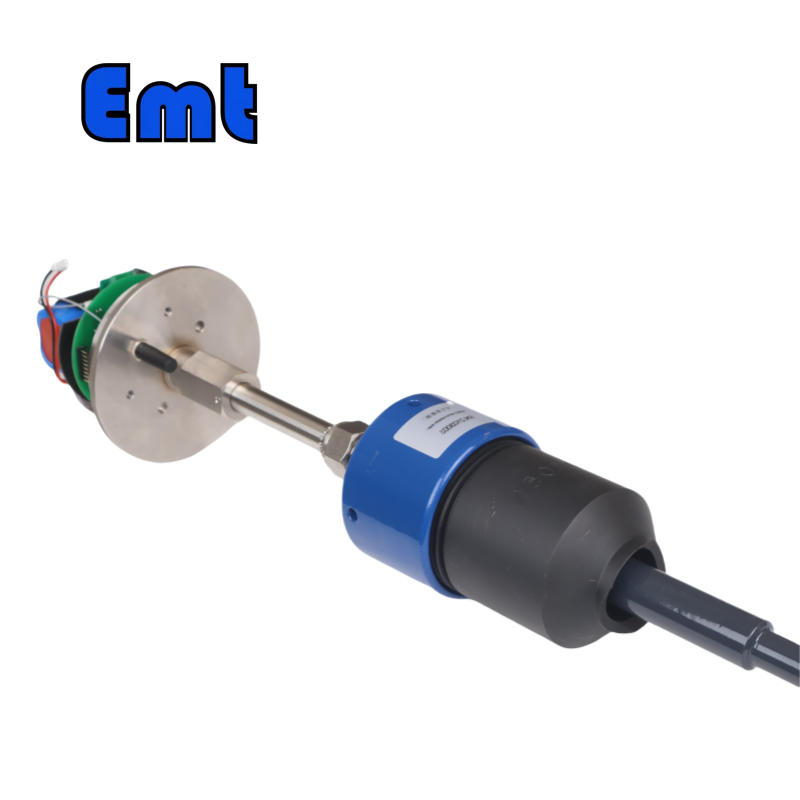
- Purpose and Use: The EMT High Pressure Electrical Resistance Probe is designed to offer a real-time, accurate measurement of corrosion rates within industrial pipelines and systems.
- Target Audience: It serves industries where pipeline integrity and safety are paramount, providing essential data to maintain efficient operations.
B. Importance of Corrosion Monitoring
- Necessity in Industry: Corrosion monitoring is critical in preventing equipment failure and ensuring operational safety in various industries, including oil and gas, chemical processing, and water treatment.
- Cost Savings: Timely detection and management of corrosion can lead to significant cost savings by preventing severe damage and avoiding costly downtime and repairs.

II. Design and Material Specifications
| Type | |||||||||||||||
| ECP | Electrical Resistance Probe | ||||||||||||||
| ‐Code | Plug | ||||||||||||||
| Pxxx | Type | Material | Sealing material | ||||||||||||
| 0 | No Reqirements | 0 | Carbon Steel | 0 | No Reqirements | ||||||||||
| 1 | Hollow insert | 1 | 316 stainless steel | 1 | Fluorine ruber sealing ring/PTFE main seal | ||||||||||
| 2 | 316L stainless steel | 2 | Hydrogenated Nitrile | ||||||||||||
| 3 | F51 Duplex stainless steel | ||||||||||||||
| 4 | INCONEL Nickel based alloy | ||||||||||||||
| ‐Code | Temperature and pressure gauge components | ||||||||||||||
| Txxx | Connection size | Body Material | Temperature and pressure gauge material | ||||||||||||
| 0 | No Reqirements | 0 | 304 stainless steel | 0 | No Reqirements | ||||||||||
| 1 | 1/2″ | 1 | 316 stainless steel | 1 | 304 stainless steel | ||||||||||
| 2 | 3/4″ | 2 | 316L stainless steel | 2 | 316 stainless steel | ||||||||||
| 3 | F51 Duplex stainless | ||||||||||||||
| ‐Code | Probe Assembly | ||||||||||||||
| Dxx ‐Lx″ | Connection size | Body Material | Pipeline Specifications(‘’) | ||||||||||||
| 0 | No Requirements | 0 | stainless steel | Probe length varies with pipeline specifications | |||||||||||
| 1 | 1/4″ | 1 | 304 stainless steel | ||||||||||||
| 2 | 1/2″ | 2 | 304L stainless steel | ||||||||||||
| 3 | 316 stainless steel | ||||||||||||||
| 4 | 316L stainless steel | ||||||||||||||
| 5 | F51Duplex stainless | ||||||||||||||
| Example: :ECP‐P121‐T021‐D02‐L6″ ECP : Resistance Probe Assembly; P121:he hollow insert material is 316L, with fluorine rubber ring and polytetrafluoroethylene main steel; T201: The size of the temperature and pressure gauge component connector is 3/4 ″, and the material is 304 stainless steel. The temperature and pressure gauge is 304 stainless steel; D02: The probe connection size is not required,and the probe body material is 316L stainless steel; L6″: The probe length is suitable for 6 “pipelines | |||||||||||||||
A. Materials Used
- Primary Construction Materials:
- Stainless Steel 316: Known for its resistance to corrosion and oxidation, ideal for harsh environments.
- L DUPLEX SS: Provides even greater strength and corrosion resistance, suitable for very challenging industrial applications.
- Sealing Materials:
- Teflon: Offers excellent chemical stability and heat resistance, ensuring reliable sealing under variable temperatures.
- Fluororubber: Known for its durability and resistance to high temperatures and chemicals, enhancing the Electrical Resistance Probe’s longevity and reliability.
B. Physical Characteristics
- Operating Temperature and Pressure:
- Temperature Range: -20 to 200℃ allows the Electrical Resistance Probe to function effectively in both cold and hot environments.
- Pressure Capacity: Capable of withstanding pressures up to 26 MPa, making it suitable for high-pressure applications commonly found in industrial settings.
III. Functional Capabilities
A. Corrosion Monitoring
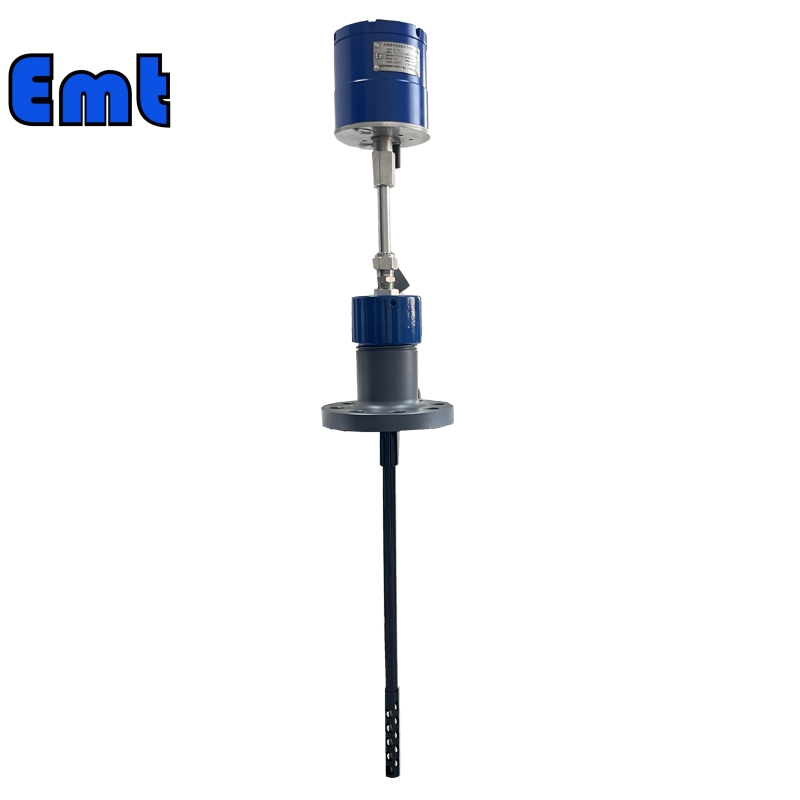
- Mechanism:
- Electrical Resistance Detection: Measures the minute changes in the electrical resistance of a metal as it corrodes, which is directly proportional to the amount of corrosion taking place.
- Benefits:
- Real-Time Tracking: Enables continuous monitoring of corrosion rates, providing data that can be immediately acted upon.
- Corrosion Condition Assessment: Helps in assessing the severity and specific locations of corrosion, aiding in targeted maintenance efforts.
B. Safety and Efficiency
- Preventing Equipment Degradation:
- Early Detection: Identifies potential failure points before they result in system breakdowns, promoting proactive maintenance strategies.
- Enhancing Safety and Reliability:
- Consistent Operation: Maintains the integrity of critical infrastructure, ensuring safe and reliable operation across various industrial processes
IV. Features and Advantages
A. Ease of Use and Accuracy
- Simple Operation:
- The Electrical Resistance Probe is designed for ease of use, allowing operators to quickly install and start monitoring without extensive training. This simplicity accelerates deployment and reduces the potential for human error in readings.
- High Accuracy:
- Utilizes advanced sensing technology to provide precise measurements of resistance changes due to corrosion, ensuring dependable data for making maintenance decisions.
- Long Service Life:
- Constructed from high-quality materials like Stainless Steel 316 and L DUPLEX SS, which are not only resistant to harsh environments but also prolong the lifespan of the Electrical Resistance Probe under continuous use.
B. Cost-Effectiveness
- Low Operational Costs:
- The Electrical Resistance Probe’s durable design and materials reduce the need for frequent replacements and maintenance, cutting long-term operational expenses.
- Efficient Monitoring:
- By providing accurate corrosion rates, the system helps focus maintenance on high-risk areas, optimizing resource allocation and reducing unnecessary expenditures.
C. Design Benefits
- Lightweight and Flexible:
- The Electrical Resistance Probe’s compact and flexible design allows for easy handling and installation in complex pipeline systems without requiring significant modifications.
- High Injection Efficiency:
- Designed for efficient performance even under high-pressure conditions, maximizing functionality while maintaining structural integrity.
- Precise Location Tracking:
- Capable of pinpointing specific areas of corrosion concern, which facilitates targeted interventions and minimizes the impact on overall system operations.
V. Installation and Adaptability
A. Installation Methods
- Welding:
- Provides a permanent, robust connection ideal for long-term installations in critical areas where the highest reliability is required.
- Flange (ANSI 2″ RF or RJ):
- Offers a non-permanent but secure installation option, facilitating easier removal or adjustments as needed for maintenance or system modification.
B. Application Flexibility
- Suitable for Various Industrial Environments:
- The Electrical Resistance Probe’s design and materials are chosen to ensure compatibility and optimal performance across a range of industrial applications, from petrochemical plants to water treatment facilities.
- Enhancement of Safety and Reliability in Production:
- By consistently providing accurate data and supporting proactive maintenance, the Electrical Resistance Probe helps maintain the operational integrity of production equipment, ultimately enhancing safety and reliability across various industries.


Reviews
There are no reviews yet.