
 ER Corrosion Probe

Description
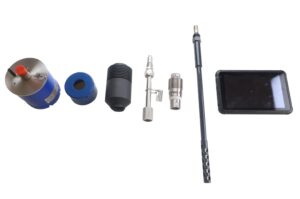
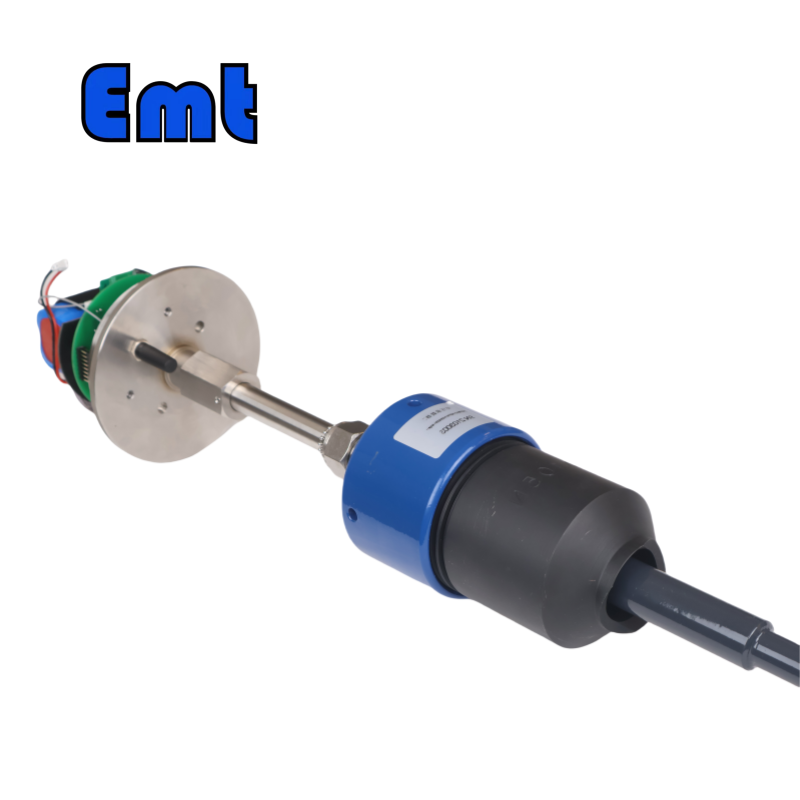
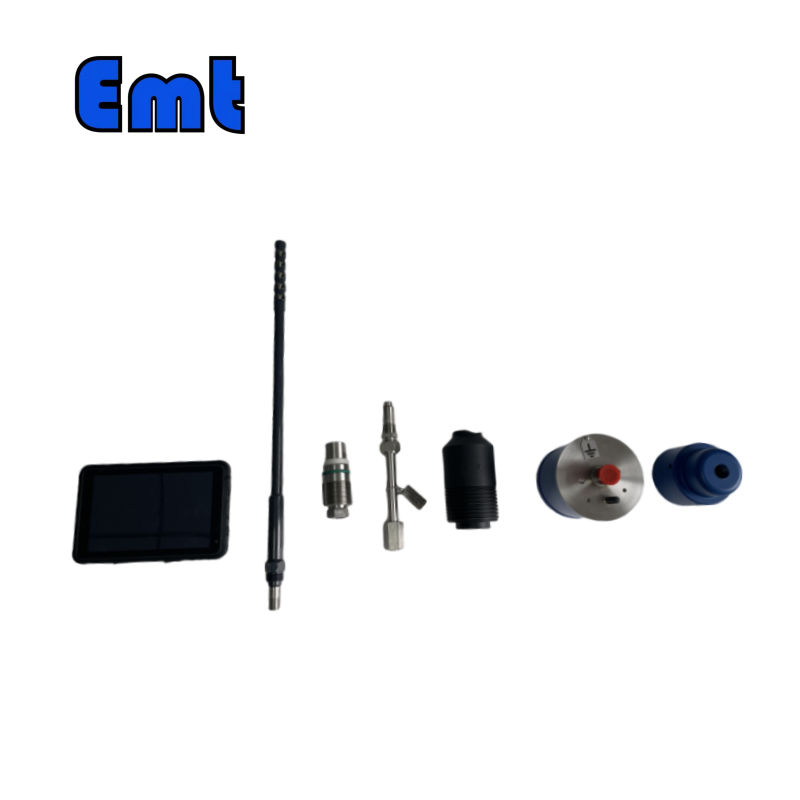
Electrical Resistance Probe is a useful tool in corrosion monitoring. It helps to detect the corrosion rate of the pipe system. The resistance is in direct proportion to the corrosion rate. Therefore the operator will get the corrosion situation in a short time. Compared with the traditional corrosion coupon way to detect corrosion rate, the electrical resistance probe does better.
Why Choose an Electrical Resistance Probe?
In many cases, electrical resistance (ER) probes for corrosion monitoring can alert operators to changes in corrosion rates within hours, allowing them to take immediate action to mitigate the problem. This technology is highly sensitive and can detect even the slightest changes in resistance, making it an effective tool for monitoring the condition of pipelines over time. By using ER probes, pipeline operators can ensure that their pipelines remain in good condition. Besides, it ensures they are not at risk of experiencing leaks or other serious problems.
ER probes for corrosion monitoring are highly effective and reliable. They provide pipeline operators with real-time condition data.Through using this technology, pipeline operators can detect and address any possible corrosion issues. Then ensure that their pipelines remain in good condition and are not at risk of experiencing leaks or other serious problems.
How do ER Probes Work?
An electrical resistance (ER) corrosion probe is a sophisticated and highly effective technology. It is specifically designed to provide pipeline operators with real-time data about the degree of corrosion occurring inside the pipelines. The probe contains a steel element positioned at the end of the pipeline. Without top performance, unchecked corrosion may occur. This results in significant issues and costly repairs. The electrical resistance corrosion probe is regularly exposed to the environment in a confined section.
As the steel component of the probe begins to corrode, its electrical resistance will increase proportionately. This change in resistance can be detected by the probe’s built-in sensors. Then it will transmit the data to a central monitoring system. This system can then generate a detailed report. The report provides pipeline operators with a comprehensive overview of the corrosion.
Befinits of ER Probes
The use of electrical resistance (ER) probes for corrosion monitoring is highly beneficial for pipeline operators. Consequently, it enables them to detect and measure the degree of corrosion occurring within their pipeline in real-time. This technology is particularly useful in the oil, gas, and water industries. Pipelines are often exposed to harsh environmental conditions that can lead to extensive corrosion.
By using ER probes, pipeline operators can identify and address any possible corrosion issues. Then it will ensure that their pipelines remain in good condition. And that they are not at risk of experiencing leaks or other serious problems.
Selection Model
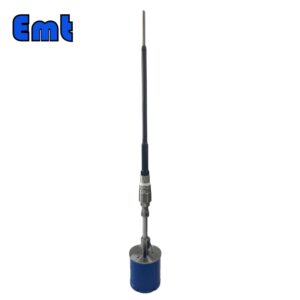
| Model | |||||||||||||||
| ECP | Electrical Resistance Probes | ||||||||||||||
| -Code | Plug | ||||||||||||||
| Type | Material | Sealing material | |||||||||||||
| 0 | Not Required | 0 | Carbon steel | 0 | Not Required | ||||||||||
| 1 | Hollow plug | 1 | 316 stainless steel | 1 | Fluorine rubber sealing ring/PTFE main seal | ||||||||||
| 2 | 316L stainless steel | 2 | HNBR | ||||||||||||
| 3 | F51 duplex stainless steel | ||||||||||||||
| Pxxx | 4 | INCONEL nickel based alloy | |||||||||||||
| -Code | Temperature and pressure gauge assembly | ||||||||||||||
| Txxx | Connection size | Body material | Temperature and pressure gauge material | ||||||||||||
| 0 | Not Required | 0 | 304 stainless steel | 0 | Not Required | ||||||||||
| 1 | 1/2″ | 1 | 316 stainless steel | 1 | 304 stainless steel | ||||||||||
| 2 | 3/4″ | 2 | 316L stainless steel | 2 | 316 stainless steel | ||||||||||
| 3 | F51 duplex stainless steel | ||||||||||||||
| -Code | Probe assembly | ||||||||||||||
| Dxx | Connection size | Body material | Pipeline specification (x ″) | ||||||||||||
| 0 | Not Required | 0 | Carbon steel | Probe length varies with pipeline specifications | |||||||||||
| ‐Lx″ | 1 | 1/4″ | 1 | 304 stainless steel | |||||||||||
| 2 | 1/2″ | 2 | 304L stainless steel | ||||||||||||
| 3 | 316 stainless steel | ||||||||||||||
| 4 | 316L stainless steel | ||||||||||||||
| 5 | F51 duplex stainless steel | ||||||||||||||
Parameters
| Technical specifications | |
| Output signal | Wired form: RS-485 signal; |
| Wireless form: LORA, 4G/5G wireless network signal | |
| Power supply voltage | 9-36VDC |
| Rated operating voltage | 9VDC |
| Meter power consumption | 5.4W (Wired) |
| Linear | 0.0015% non-linear |
| Resolution | 17 bit |
| B | 25.6 mV |
| Accuracy | ±0.2% F.S (full scale) |
| Corrosion rate range | When the electrode area is 1cm², the measurement range is 4X10⁻⁴~10mm/a |
Importance of ER Probe
The importance of an ER probe lies in its ability to monitor corrosion rates accurately. This ensures timely interventions. By providing real-time data, it helps prevent unexpected failures. Additionally, it aids in optimizing maintenance schedules. This reduces overall operational costs. For reliable performance, facilities must use ER probes consistently.
ER probes have various applications in industrial settings. They monitor corrosion in pipelines, ensuring structural integrity. Additionally, technicians use them in chemical processing plants to detect corrosive environments. Energy sectors benefit from ER probes by maintaining equipment reliability. Furthermore, water treatment facilities use them to monitor corrosion rates. This prevents potential contamination. Oil and gas industries rely on ER probes for pipeline safety. By providing real-time data, they enable timely maintenance. Consequently, ER probes help reduce operational costs. Their applications extend to any system where corrosion monitoring is critical.


Reviews
There are no reviews yet.