
 Bi Directional Pig
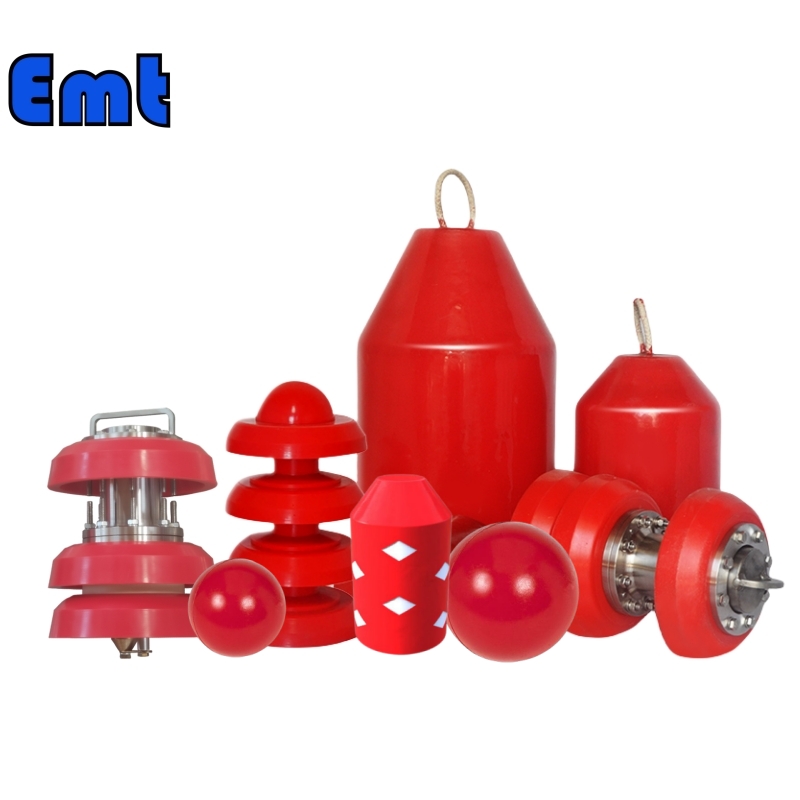
Description
In the oil and gas industry, “pigs” are tools that operators send through pipelines to perform various maintenance tasks such as cleaning, inspection, and separation of different product batches. Each type of pig serves a distinct purpose in the maintenance and operation of oil and gas pipelines, helping to ensure efficient, safe, and cost-effective transportation of resources. The choice of pig depends on the specific conditions and requirements of the pipeline system. Here’s an overview of the different types of pigs used in the oil and gas sector:
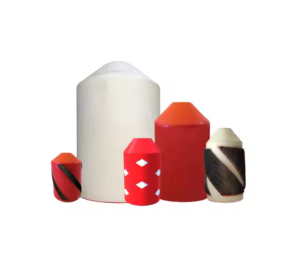
Different Types
Utility Pigs
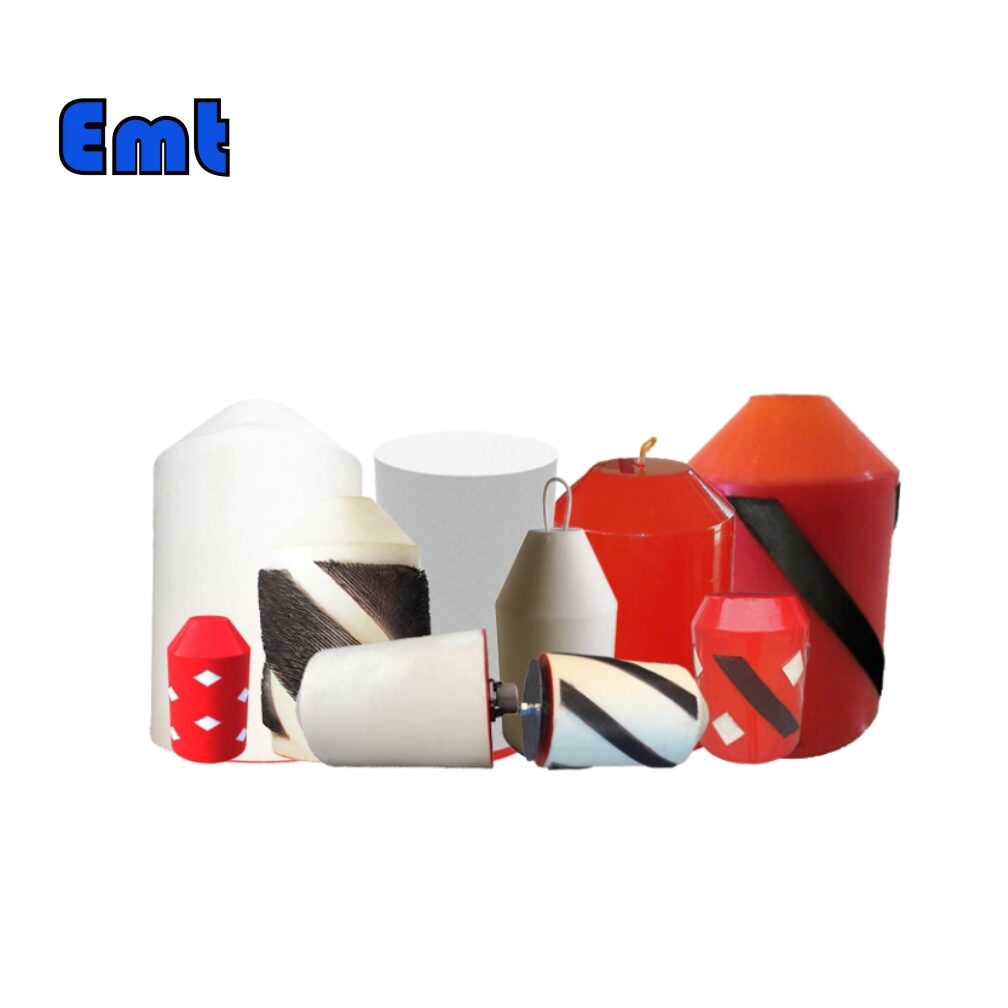
Utility pigs work to perform general cleaning and maintenance operations within pipelines. They help remove accumulated debris, scale, and other unwanted materials that could impede the flow of oil or gas. These pigs typically feature scraping or brushing mechanisms and can be made from foam, rubber, or plastic depending on the application.
Separation Pigs
Separation pigs are used to isolate different types of fluids flowing through the same pipeline. These pigs ensure that various product batches do not mix, maintaining the quality and integrity of the transported substances. They are typically solid and fit snugly within the pipeline to prevent any crossover between products.
Foam Pigs
Foam pigs are made from flexible, open-cell polyurethane foam and can vary in density and coating depending on the specific needs of the operation. They are lightweight, versatile, and relatively inexpensive. Because of these advantages, they are ideal for a variety of light cleaning and drying tasks in pipelines.
Specialty Pigs
Specialty pigs feature unique configurations designed for specific tasks, such as dual-diameter pigs, which can change size to fit different sections of the pipeline, or magnetic pigs, which pick up ferrous debris.
Parameters
| Name | Oil Pipe Pig |
| Material | 1. steel framework main body. |
| 2. The disc material is available for Polyurethane, Viton, Neoprene, Nitrile butadiene etc. | |
| 3. The cup material is available for Polyurethane, Viton, Neoprene, Nitrile butadiene etc. | |
| 4. Steel brush or nylon brush. | |
| Feature | 1. Firstly, good wearing resistance. |
| 2. Secondly, strong passing ability. | |
| 3. Nice cleaning performance. | |
| 4. Then accurate location and tracking. | |
| 5. At last, a low rate of false positives. | |
| Packing way | packed pipe cleaning pigs with inner plastic film and outer plywood wooden case. |
| Payment | TT/LC |
| Advantage | 1. Firstly, good sealing performance. |
| 2. Secondly, high wear resistance. |

Applications
In the oil and gas industry, pigs are essential tools that travel through pipelines to perform various tasks, each tailored to different needs. Utility pigs are common for cleaning, removing debris, and general maintenance, helping maintain pipeline efficiency by preventing buildup. Inline inspection pigs, also known as smart pigs, gather detailed internal data about the pipeline’s integrity. They use technologies like magnetic flux leakage and ultrasonic tests to identify issues such as corrosion, metal loss, or cracks. Batching pigs play a crucial role in separating different products within the same pipeline, ensuring that fluids or gases reach their destinations without mixing.
Foam pigs excel in cleaning and drying pipelines due to their lightweight and flexibility in navigating bends and diameter changes. For pipelines unsuitable for conventional pigs, gel pigs provide a cleaning and dewatering alternative, adapting to any pipeline geometry. Additionally, caliper pigs assess the internal diameter to spot anomalies like dents or obstructions, offering crucial safety and operational planning data. Lastly, sealing or isolation pigs facilitate the isolation of pipeline sections for maintenance or emergency repairs, allowing work on a segment without shutting down the entire line. Together, these tools enhance operational efficiency, safety, and maintenance capabilities within the industry.
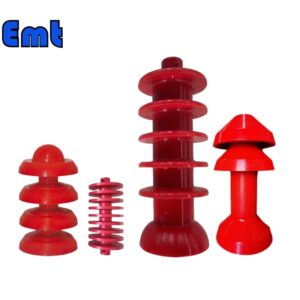
How to Choose The Pig for Different Pipelines?
Choosing the right pig for a pipeline in the oil and gas industry requires a detailed assessment of both the pipeline’s characteristics and the specific maintenance tasks to be performed. First, you need to understand the pipeline’s specifications, including its diameter, length, and configuration. This involves considering any bends, valves, and tees that could influence the choice of pig.
The purpose of pigging also plays a crucial role in the selection process. If cleaning is the primary objective, options range from foam pigs for lighter cleaning to brush or scraper pigs for removing tougher deposits. For inspection purposes, intelligent pigs equipped with sensors to measure pipeline integrity are essential. For the separation of different product batches within the pipeline, batching pigs are necessary.
Material compatibility is another important consideration. The pig’s material must not react with the pipeline’s contents or its material to prevent contamination or damage. Additionally, the pipeline’s condition should be evaluated to ensure that the chosen pig does not exacerbate any existing wear or damage, especially in older or more fragile lines.
Operational factors, such as the frequency of pigging and the available infrastructure for launching and receiving pigs, must also be taken into account. Frequent pigging, for instance, demands durable pigs that can withstand repeated use. Finally, consulting with pigging experts or specialists can provide valuable insights tailored to your specific system, ensuring that the selected pig maximizes efficiency while maintaining pipeline integrity and safety.
Polyurethane material specification: | ||
| NO. | Factory inspection main indicators | Cup/DISC |
| 1 | 20℃Hardness(SHORE A) | 85±2 |
| 2 | Tensile strength (MPa) | 51.7 |
| 3 | 100%stress at definite elongation (MPa) | 4.8 |
| 4 | 300%stress at definite elongation (MPa) | 9.2 |
| 5 | Tensile set (%) | 780 |
| 6 | Tear strength (KN/m) | 73 |
| 7 | Impact resilience (%) | 32 |
| 8 | DIN abrasion (mm²) | 35 |

Reviews
There are no reviews yet.