
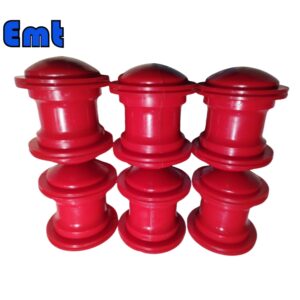
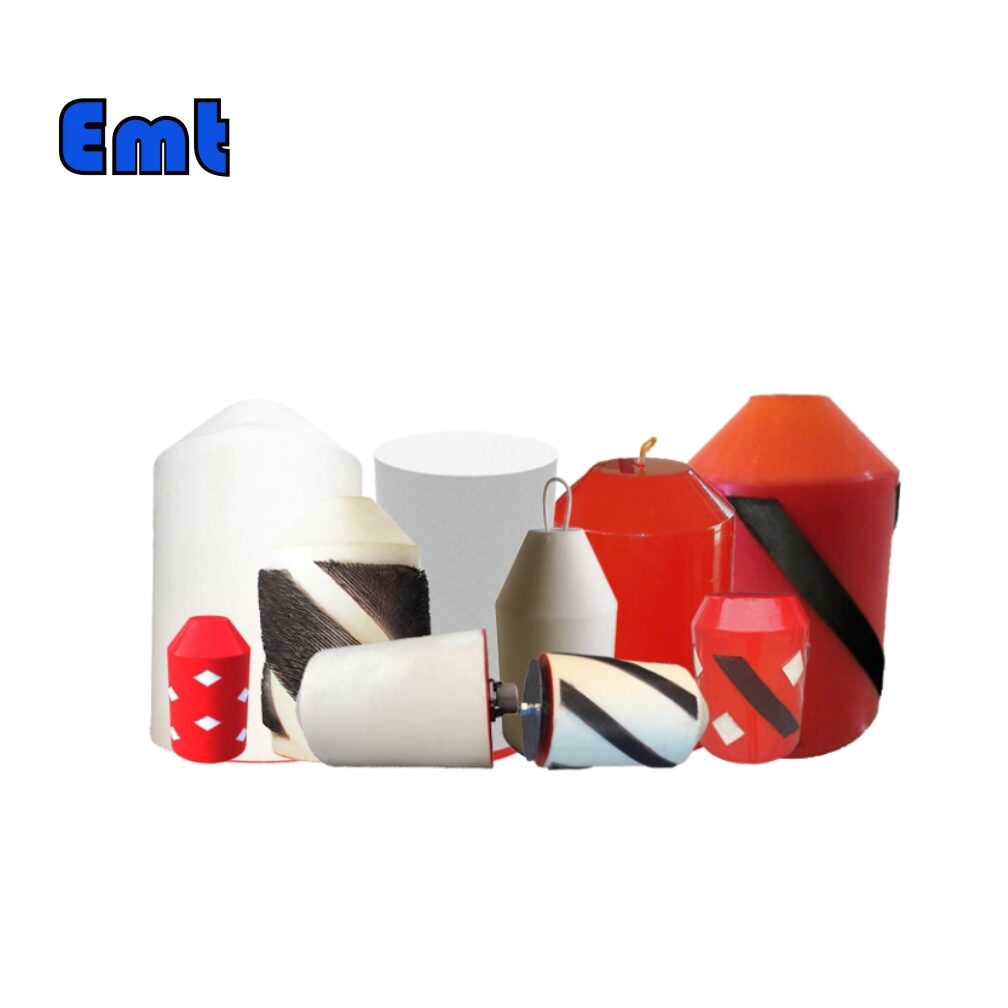
 Urethane Pigs
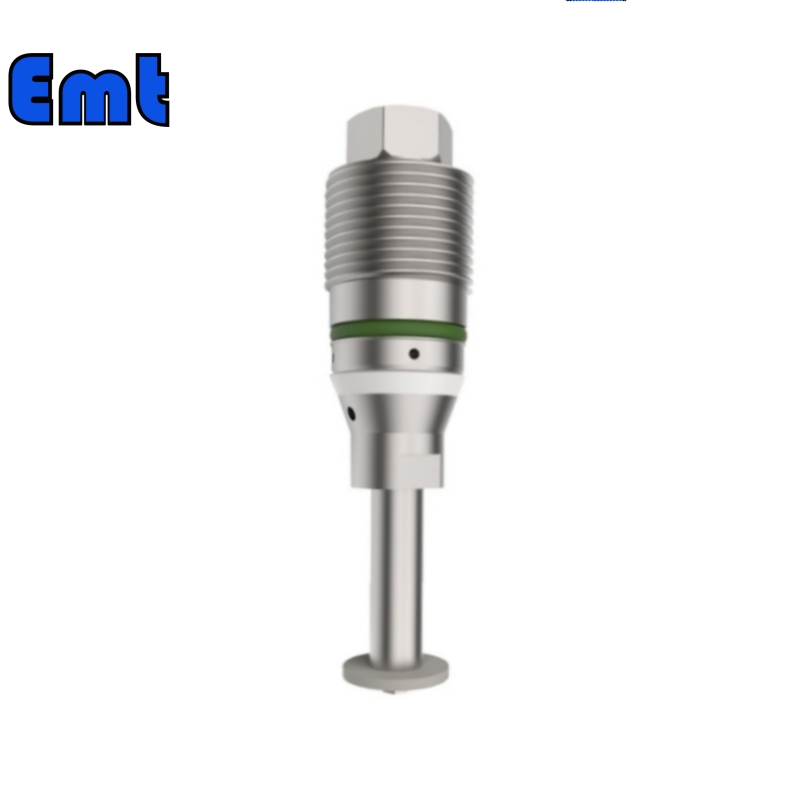
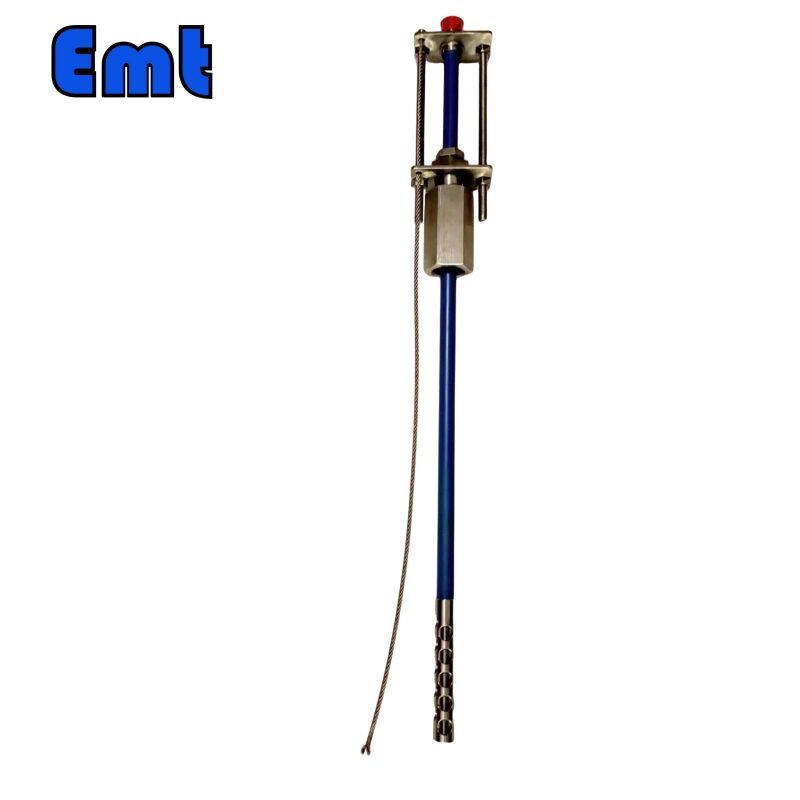
  Corrosion Monitoring Probe
Description
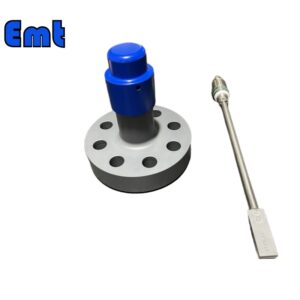
Corrosion Coupon In Pipeline helps people test the corrosion rate in different pipeline systems. First, let’s learn about different types of corrosion. Understanding these corrosion types helps in implementing effective prevention strategies. Regular inspections and maintenance reduce corrosion impact. Selecting appropriate materials also enhances pipeline longevity. Coatings and inhibitors offer additional protection. Cathodic protection further reduces the risk of corrosion.
Different Corrosion Types in Pipelines
Corrosion in pipelines poses significant challenges. Understanding different types helps in managing these risks effectively.
Uniform corrosion affects the entire surface evenly. It results in consistent material loss over time. This type is predictable and manageable with coatings.
Pitting corrosion creates small, localized pits in the metal. These pits can penetrate deep enough to cause leaks. Moist environments often accelerate pitting.
Crevice corrosion occurs in confined spaces. It thrives in gaps where oxygen access is limited. Common sites include flanges and gaskets.
Erosion corrosion combines physical wear and chemical attack. High-velocity fluids exacerbate this type. It often appears in bends and elbows.
Microbial-induced corrosion results from bacterial activity. These microbes produce acids that degrade the metal. Pipelines transporting water or oil can experience this.
Stress corrosion cracking involves the combination of tensile stress and a corrosive environment. Cracks form and propagate over time. It often leads to sudden failures.
Intergranular corrosion occurs along the grain boundaries of the metal. It weakens the structure and can cause fractures. Heat treatments can sometimes prevent it.
Hydrogen-induced cracking results from hydrogen atoms diffusing into the metal. This cracking reduces the metal’s ductility. Pipelines transporting hydrogen-rich fluids face this risk.

Selection Model of Corrosion Coupon In Pipeline
| Model | ||||||
| EMT-CIPA | Access Fitting Body of Corrosion Coupon | |||||
| – The material of Access Fitting Body | ||||||
| 0 | CS | |||||
| 1 | 316SS | |||||
| 2 | 316LSS | |||||
| 3 | DUPLEX SS | |||||
| The Type of Access Fitting Body | ||||||
| B | 2″Welded(suffix “pressure rating” can be added to B) | |||||
| F | 2″ANSI Flange(suffix “pressure rating & sealing type” can be added to F) | |||||
| -Tee Size- pressure rating & sealing type if the flanged end | ||||||
| 0 | No Tee | |||||
| 1 | 1/4″NPT(F)Tee | |||||
| 2 | 1/2″NPT(F)Tee | |||||
| 3 | 3/4″NPT(F)Tee | |||||
| 4 | 1″NPT(F)Tee | |||||
| 5 | Hole for 1/4″SWN Flange | |||||
| 6 | Hole for 1/2″SWN Flange | |||||
| 7 | Hole for 3/4″SWN Flange | |||||
| 8 | Hole for 1″SWN Flange | |||||
| -Protective Cover Type/ Material | ||||||
| 0 | No Protective Cover | Material | ||||
| 1 | Without hole | CS or 0 | ||||
| 2 | With hole | SS or 1 | ||||
| 3 | Bleed Valve | DSS or 3 | ||||
| 4 | Bleed Valve, & Pressure Gauge | |||||
| For Example, EMT-CIPA-0F600#RF-2-1/CS shows 2″ANSI 600#RF Flange Access Fitting Body in CS, 1/2″NPT(F)Tee, Protective Cover in CS without hole | ||||||
Specifications
| Material | Stainless Steel 304、Stainless Steel 316、DSS F51、Carbon Steel A105N、Inconel 625 |
| Operating Temperature | -20±120 |
| Feature | Firstly, Easy to Operating |
| Secondly, High Accuracy Long Life | |
| At last, High Efficiency, Low cost | |
| Payment | TT/LC |
| Advantage | Firstly, they are lightweight and flexible. |
| Secondly, Nice Injection efficiency. | |
| At last, Accurate location tracking. |
Advantages
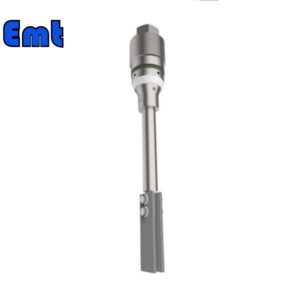
Circle and strip corrosion coupons offer distinct advantages in monitoring pipeline corrosion.
Circle corrosion coupons have a uniform shape. They provide accurate measurements of uniform corrosion. Additionally, they are easy to install in different pipeline sections. Their compact size minimizes flow disruption.
Strip corrosion coupons are long and narrow. They help detect localized corrosion such as pitting. Operators can place them in specific areas prone to corrosion. This targeted placement enhances monitoring effectiveness.
Both types of coupons are cost-effective solutions. They offer a straightforward method to evaluate pipeline corrosion. Installing and retrieving these coupons is simple. This ease of use reduces downtime during inspections.
Coupons provide direct evidence of material loss. They offer reliable data on corrosion rates. Regular monitoring with coupons helps track changes over time. This information guides maintenance and repair decisions.
Using corrosion coupons supports preventive maintenance strategies. Early detection of corrosion minimizes pipeline failures. Coupons complement other monitoring techniques, enriching data collection.
In summary, circle and strip corrosion coupons enhance corrosion monitoring. Their designs suit different applications and conditions. They offer cost-effective, reliable insights into pipeline corrosion. Regular use improves maintenance planning and pipeline integrity.
How to Use Corrosion Coupon?
To use a corrosion coupon effectively, follow these steps:
First, select the appropriate coupon type for your pipeline environment. Consider factors like material and corrosion type. Next, clean the coupon to ensure accuracy. Use a solvent to remove any contaminants.
Then, weigh the coupon precisely and record the initial weight. Install the coupon in a designated holder within the pipeline. Ensure it faces the flow for accurate results. Monitor the coupon over a specific period, typically several months.
After the exposure period, remove the coupon carefully. Clean it again to remove any deposits. Weigh the coupon a second time and record the weight. Calculate the weight loss to determine the corrosion rate.
Analyze the data to assess pipeline conditions. Use this information to plan maintenance and address corrosion issues. Regularly repeat this process for continuous monitoring and effective pipeline management.
Reviews
There are no reviews yet.