
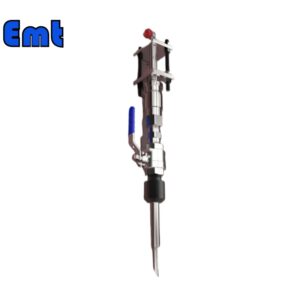
 Chemical Injector Tool
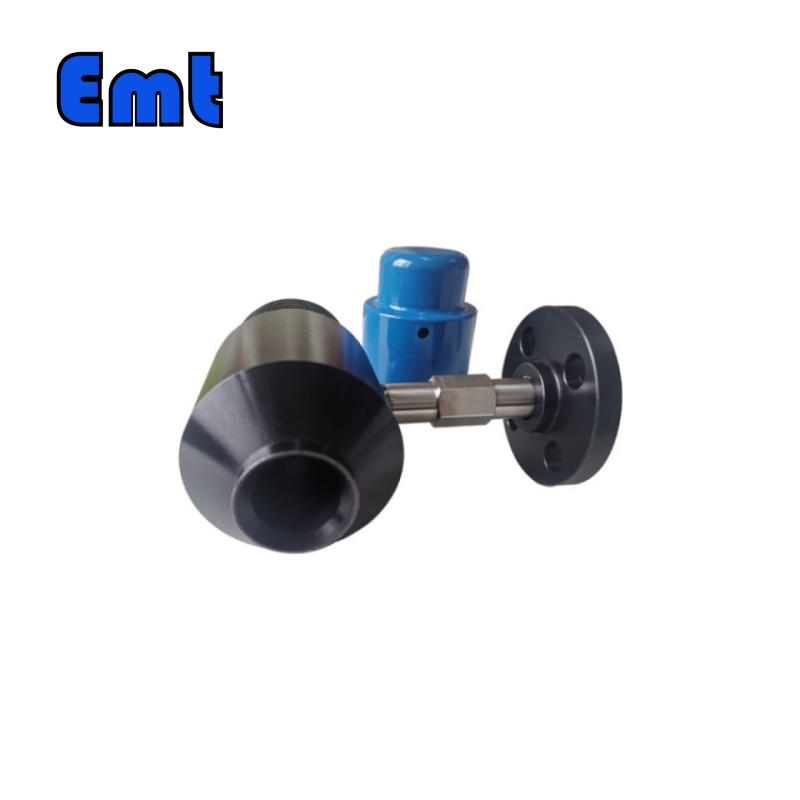
Description

Introduction
Definition and Purpose
Chemical injection is the injection of specific chemicals into oil and gas Wells. The purpose of this process is to improve the production and maintenance of equipment. Operators use these chemicals to prevent issues like corrosion, scaling, and hydrate formation. By doing so, they ensure smooth and efficient operations.
Historical Development and Evolution
Chemical injection has evolved significantly over the years. Initially, operators used basic methods and simple chemicals. However, advances in technology have changed this process. Today, sophisticated systems and specialized chemicals dominate the industry. This evolution has improved effectiveness and efficiency.
Importance in Modern Oil and Gas Operations
Chemical injection plays a vital role in modern oil and gas operations. It enhances production efficiency and ensures equipment longevity.
Enhancing Production Efficiency
Chemical injection directly boosts production efficiency. By preventing blockages and maintaining flow, it optimizes output. Operators can achieve higher yields with fewer interruptions. This improvement leads to increased profitability and resource utilization.
Ensuring Equipment Longevity and Safety
The chemical injection also ensures equipment longevity. It protects pipelines and machinery from corrosion and damage. This protection extends the useful life of critical assets. Additionally, it enhances safety by preventing leaks and failures. Consequently, operators can maintain safer working environments.
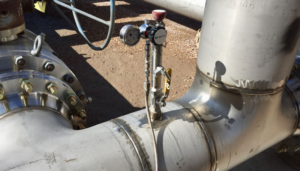
Chemical Injection Quill
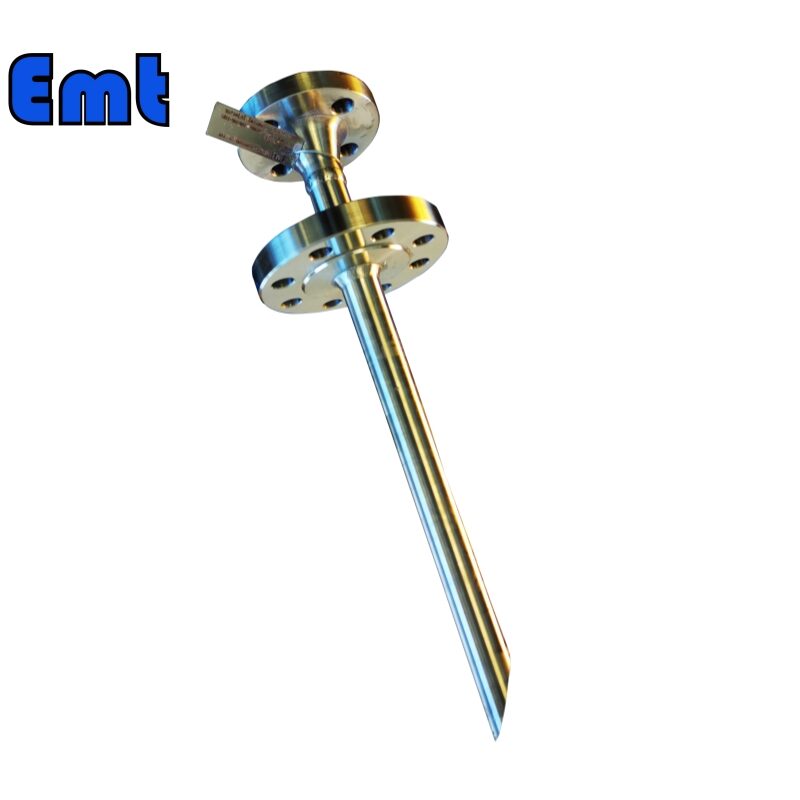
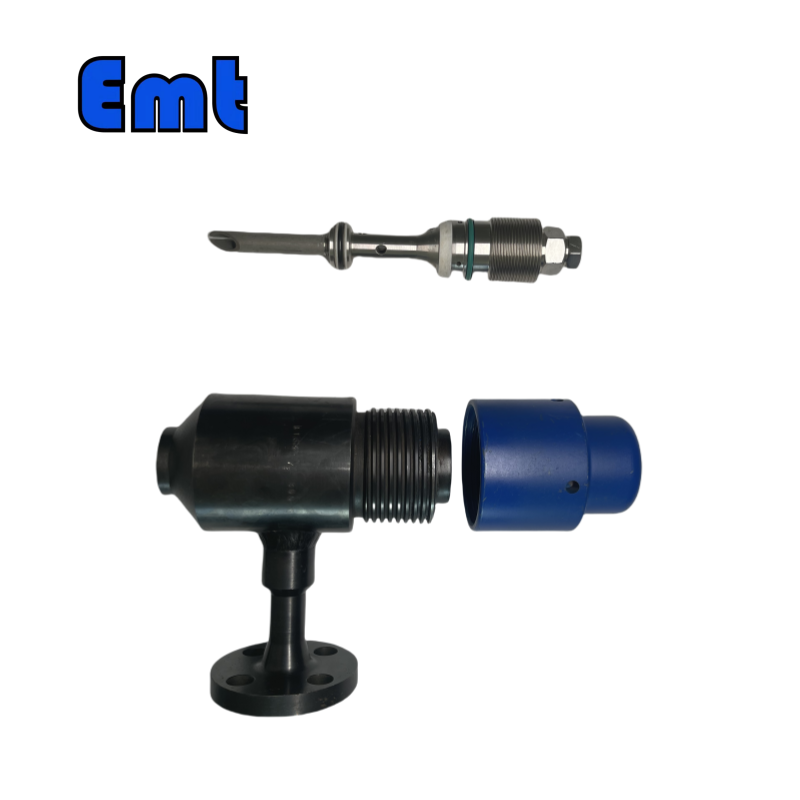
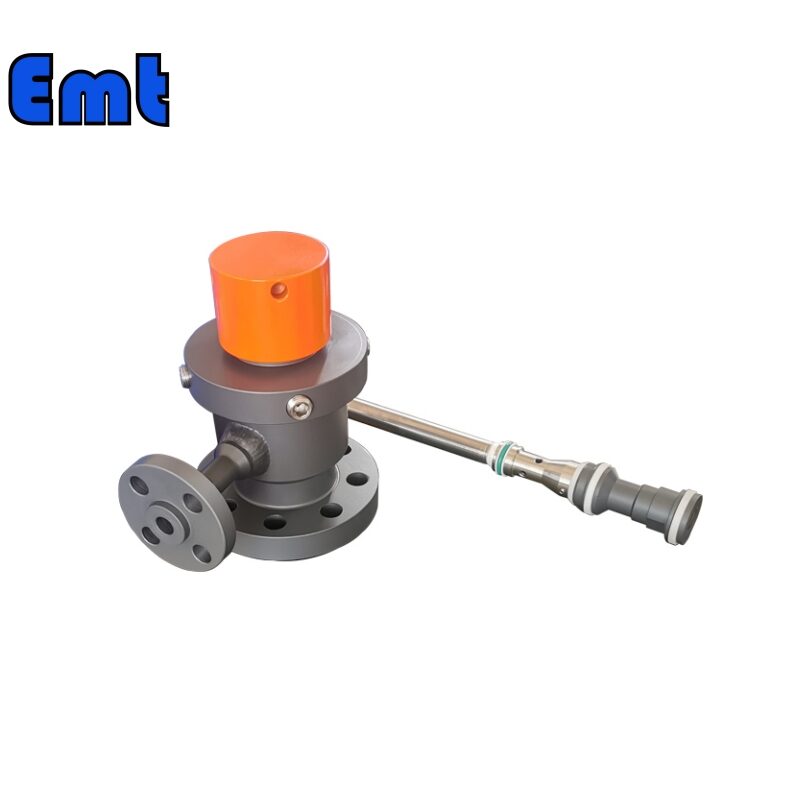
A chemical injection quill is a device used in oil and gas operations to introduce chemicals into a pipeline or process stream efficiently and safely. Designed for precise delivery, the quill ensures that chemicals are injected at the correct location within the fluid flow, optimizing their effectiveness.
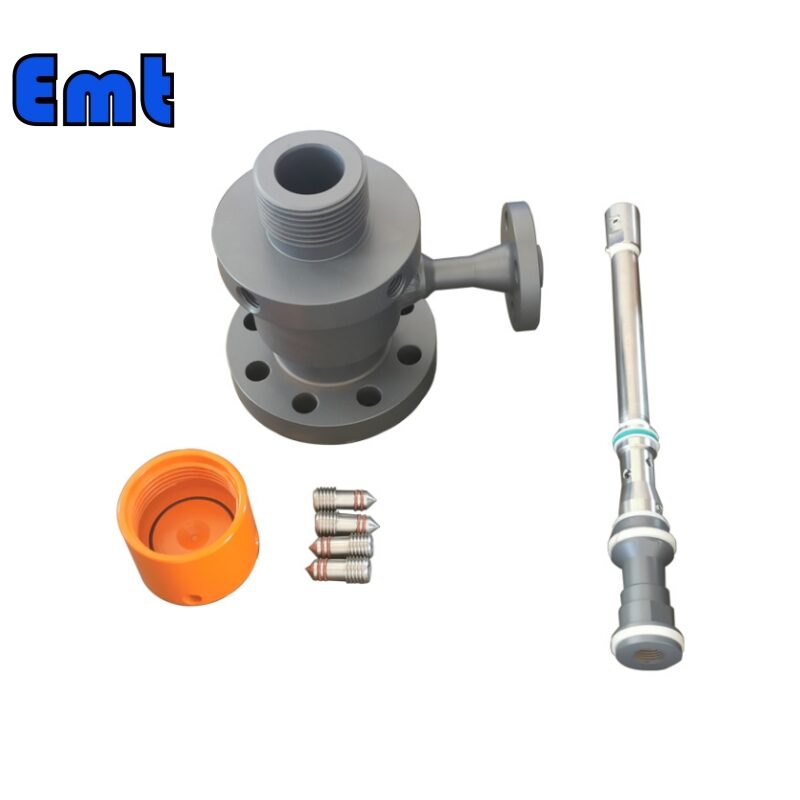
Key Components and Design
- Injection Nozzle: The quill features a nozzle that penetrates the pipeline, allowing chemicals to mix thoroughly with the fluid.
- Check Valve: This component prevents backflow, ensuring that chemicals only move in the intended direction.
- Mounting Assembly: A secure mechanism attaches the quill to the pipeline, ensuring stability and proper alignment.
Purpose and Function
- Accurate Chemical Delivery: The quill ensures chemicals are injected precisely where needed, enhancing their effectiveness.
- Flow Optimization: By introducing chemicals directly into the flow stream, the quill maximizes chemical distribution and reaction.
- Safety: The design minimizes the risk of leaks and backflow, protecting both the equipment and the environment.
Applications in Oil and Gas
- Corrosion Inhibition: Quills deliver corrosion inhibitors to protect pipelines and equipment from degradation.
- Scale Prevention: They introduce scale inhibitors to prevent mineral buildup, ensuring smooth flow and operation.
- Hydrate Management: Quills inject hydrate inhibitors to prevent gas hydrates from forming and obstructing pipelines.
Advantages of Using Chemical Injection Quills
- Efficiency: They allow for the precise and efficient use of chemicals, reducing waste and operational costs.
- Reliability: The robust design ensures consistent performance, even in demanding environments.
- Safety: Enhanced safety features protect against leaks and chemical exposure, ensuring safe operations.
Selection Model of Chemical Injection Quill
| Model | |||||||||||||||||||||||||||
| SI | Chemical Injector Quill | ||||||||||||||||||||||||||
| -Code | Plug | ||||||||||||||||||||||||||
| Pxxx | Type | Material | Sealing Material | ||||||||||||||||||||||||
| 0 | No Request | 0 | CS | 0 | No Request | ||||||||||||||||||||||
| 1 | Hollow Plug Body | 1 | 316SS | 3 | DSS | 1 | Viton O-Ring / PTFE Primary Packing | ||||||||||||||||||||
| 2 | Solid Plug Body | 2 | 316LSS | 4 | INCONEL | 2 | HNBR | ||||||||||||||||||||
| – Code | Injection Nut | ||||||||||||||||||||||||||
| Nxx | Connection Size | Material | |||||||||||||||||||||||||
| 0 | i.e. No Request | 0 | i.e. CS | ||||||||||||||||||||||||
| 1 | i.e. 1/4″ | 1 | i.e. 316SS | 3 | i.e. DSS | ||||||||||||||||||||||
| 2 | i.e. 1/2″ | 2 | i.e. 316LSS | 4 | i.e. INCONEL | ||||||||||||||||||||||
| – Code | Injection Tube | ||||||||||||||||||||||||||
| Sxxx-Lx″ | Connection Size | Material | Nozzle | Line size(x″) | |||||||||||||||||||||||
| 0 | No Request | 0 | CS | 0 | i.e. No Request | The most effective position for injection is generally at the center of the pipe | |||||||||||||||||||||
| 1 | i.e. 1/4″ | 1 | i.e. 316SS | 1 | i.e. Open | ||||||||||||||||||||||
| 2 | i.e. 1/2″ | 2 | i.e. 316LSS | 2 | i.e. Quill | ||||||||||||||||||||||
| 3 | i.e. DSS | 3 | i.e. Cap & Core | ||||||||||||||||||||||||
| 4 | i.e. INCONEL | ||||||||||||||||||||||||||
| – Code | Nipple and Valve(or end Flange)of Tee | ||||||||||||||||||||||||||
| Txx | Connection Size | Material | |||||||||||||||||||||||||
| 0 | i.e. No Request | 0 | i.e. CS | ||||||||||||||||||||||||
| 1 | i.e. 1/4″Nipple | a | i.e. 1/4″Nipple and Valve | 1 | i.e. 316SS | ||||||||||||||||||||||
| 2 | i.e. 1/2″Nipple | b | i.e. 1/2″Nipple and Valve | 2 | i.e. 316LSS | ||||||||||||||||||||||
| 3 | i.e. 3/4″Nipple | c | i.e. 3/4″Nipple and Valve | 3 | i.e. D SS | ||||||||||||||||||||||
| 4 | i.e. 1″Nipple | d | i.e. 1″Nipple and Valve | 4 | i.e. INCONEL | ||||||||||||||||||||||
| 5 | i.e. 1/4″Flange | e | i.e. 1/4″Nipple end Flange | ||||||||||||||||||||||||
| 6 | i.e. 1/2″Flange | f | i.e. 1/2″Nipple end Flange | ||||||||||||||||||||||||
| 7 | i.e. 3/4″Flange | g | i.e. 3/4″Nipple end Flange | ||||||||||||||||||||||||
| 8 | i.e. 1″Flange | h | i.e. 1″Nipple end Flange | ||||||||||||||||||||||||
| For Example, SI-P221-N12-S122-L4″-T22 | |||||||||||||||||||||||||||
Parameters of Chemical Injection Quills
| Name | Pipeline Chemical Injection Quill Sampling System |
| Material | Stainless Steel 304、Stainless Steel 316、DSS F51、Carbon Steel A105N、Inconel 625 |
| Operating Temperature | -20±120 |
| Feature | 1. Easy Operating |
| 2. High Accuracy Long Life | |
| 3. High Efficiency, Low cost | |
| Payment | TT/LC |
| Advantage | Firstly, they are lightweight and flexible. |
| Secondly, nice Injection efficiency. | |
| At last, accurate location tracking. |
Chemical Injection Systems
Chemical injection systems are very important in oil and gas industry. These systems manage the continuous injection of chemicals into production streams. They handle a variety of fluids with different compositions and properties. This ensures optimal performance and safety.
Components of a Chemical Injection System
Pumps and Injection Units
Pumps drive the chemicals into the production stream efficiently. They maintain precise injection rates. Operators monitor pump suction and discharge pressure to assess performance. This is crucial in high-pressure applications.
Storage Tanks and Containers
Storage tanks hold the chemical solutions. They sometimes include level indicators. These indicators notify operators when to replenish the chemicals. This ensures a steady supply.
Control Systems and Automation
Advanced control systems regulate the entire process. They automate the injection rates and monitor various parameters. These parameters include fluid temperature and volume corrections. This automation improves accuracy and reduces human intervention.
In summary, chemical injection systems are essential for maintaining continuous chemical treatment in oil and gas facilities. They incorporate pumps, storage tanks, and advanced control systems to ensure efficient and safe operations.
Conclusion
Chemical Injection system has many advantages in the oil and gas industry. They are cost-effective. Besides they optimize the use of chemicals and reduce waste. Their portability allows relocation and use in different places. Gauges and safety shutoff valves protect operators and machines from injury. It helps reduce maintenance time and ensures continuous operation. Besides, the system can be safely deployed in hazardous environments. The design makes it easy to install and maintain, which improves the operating efficiency. In conclusion, chemical injection system improves the safety, stability, and cost of oil and gas production.
Reviews
There are no reviews yet.