


Description
Types of Polly Pigs
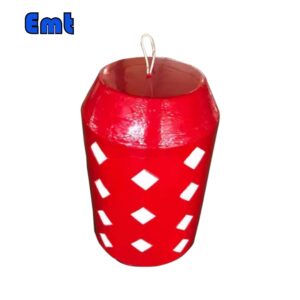
Criss-cross Polly Pig
The criss-cross Polly Pig features a criss-cross pattern on its surface. This design enhances its cleaning efficiency. The pattern allows the pig to scrape and scrub the pipeline walls effectively. It is made from polyurethane, offering durability and flexibility. The criss-cross Polly Pig is ideal for removing soft deposits and dirt from pipelines.
Advantages:
- Enhanced cleaning efficiency
- Effective at scraping and scrubbing
- Durable and flexible material
Uses:
- Ideal for removing soft deposits
- Suitable for general pipeline cleaning
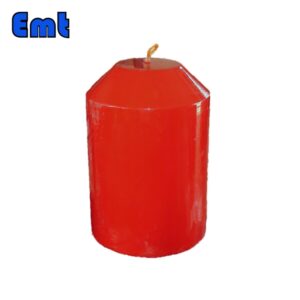
Full Polly Pig
The full Polly Pig is a solid, cylindrical pig. It is constructed entirely from polyurethane. This pig is designed to provide maximum contact with the pipeline walls. It is highly effective at pushing out liquids and debris. The full Polly Pig is robust and can handle extensive cleaning tasks.
Advantages:
- Maximum contact with pipeline walls
- Highly effective at debris removal
- Robust and durable
Uses:
- Suitable for extensive cleaning tasks
- Ideal for liquid and debris removal

Polly Pig With Brushes
The Polly Pig with brushes includes integrated brush elements. These brushes enhance the pig’s ability to clean and scrape the pipeline interior. It is excellent for removing stubborn deposits and scale. The brushes can be made from various materials, such as steel or nylon. This type of pig is versatile and highly effective for tough cleaning jobs.
Advantages:
- Enhanced scraping ability
- Effective for removing stubborn deposits
- Versatile brush material options
Uses:
- Ideal for tough cleaning jobs
- Suitable for removing scale and hard deposits
Polyurethane material specification
| Polyurethane material specification: | ||
| NO. | Factory inspection’s main indicators | Cup/DISC |
| 1 | 20℃Hardness(SHORE A) | 85±2 |
| 2 | Tensile strength (MPa) | 51.7 |
| 3 | 100% stress at definite elongation (MPa) | 4.8 |
| 4 | 300% stress at definite elongation (MPa) | 9.2 |
| 5 | Tensile set (%) | 780 |
| 6 | Tear strength (KN/m) | 73 |
| 7 | Impact resilience (%) | 32 |
| 8 | DIN abrasion (mm²) | 35 |
Specifications of Polly Pig
| Crisscross Foam Pig | LCQZ-RTCC | 1. The interior is foamed by polyurethane material. And the surface is covered with a prismatic block polyurethane elastomer. | Operating temperature: -30℃~100℃ |
| 2. High surface hardness and large friction coefficient. | |||
| 3. Has high elasticity and toughness. | |||
| 4. Used for pipeline cleaning, cleaning, and cleaning impurities. |
| Polly Foam Pig | LCQZ-RTR | 1. Its interior is foamed by polyurethane material. The surface is coated with a polyurethane elastomer coating. | Starting pressure: 0.02 MPa |
| 2. Good flexibility and certain wear resistance. | Density: 35 kg/m³~220 kg/m³ | ||
| 3. The deformation amount can reach 50%. Which is the most widely used foam pig. | Withstand pressure: 7 MPa | ||
| 4. Used for scrubbing, descaling, and fluid isolation of pipes. | Stretch rate: 320% | ||
| Compression ratio: 50 | |||
| Flex life: 50,000 times | |||
| Attrition rate: 2 mm/100 km | |||
| Operating distance: 100 km~300 km |
| Crisscross Foam Pig With Brush | LCQZ-RTCB | 1. The interior is foamed by polyurethane material. The surface is coated with an elastomer coating. | Starting pressure: 0.02 MPa |
| 2. Paste the spiral wire brush. | Density: 35 kg/m³~220 kg/m³ | ||
| 3. The deformation amount can reach 40%. Which is both elastic and will not fall off. | Withstand pressure: 7 MPa | ||
| 4. It is used to remove the hard scale of the pipeline and has better rust removal and decontamination effects. | Stretch rate: 320% | ||
| Compression ratio: 50 | |||
| Flex life: 50,000 times | |||
| Attrition rate: 2 mm/100 km | |||
| Operating distance: 100 km~300 km | |||
| Operating temperature: -30℃~100℃ |

Applications of Polly Pigs
Industrial Applications
Oil and Gas Industry
Polly Pigs play a vital role in the oil and gas industry. They clean pipelines to ensure smooth flow. This helps prevent blockages and corrosion. Regular pigging reduces maintenance costs. It also extends the lifespan of pipelines. Many companies rely on Polly Pigs for the efficient transport of oil and gas.
Chemical Processing Plants
Chemical processing plants use Polly Pigs to maintain pipeline integrity. These pigs remove chemical residues and deposits. This ensures that the pipelines remain clean. Regular pigging prevents the contamination of products. It also helps in maintaining optimal flow rates. These benefits make Polly Pigs essential in chemical processing.
Water Treatment Facilities
Water treatment facilities also benefit from polly Pigs. They clean the pipes that transport water. This prevents the buildup of scale and biofilm. Clean pipelines ensure the efficient flow of water. They also help in maintaining water quality. Polly Pigs make maintenance easier and more cost-effective.
Environmental Applications
Wastewater Treatment
Polly Pigs are crucial in wastewater treatment. They clean pipes that carry wastewater. This prevents blockages and improves flow. Regular pigging helps maintain the efficiency of the treatment process. It also reduces the risk of pipeline failures. This makes Polly Pigs indispensable in wastewater management.
Pollution Control
Pollution control systems use Polly Pigs to clean pipelines. They remove pollutants and residues from pipes. This ensures that pollution control measures are effective. Regular use of Polly Pigs enhances system efficiency. It also reduces maintenance costs. This makes them a valuable tool in pollution control.
Specialized Applications
Pharmaceutical Industry
The pharmaceutical industry requires high standards of cleanliness. Polly Pigs help maintain these standards. They clean pipelines that transport liquids and chemicals. This prevents contamination and ensures product quality. Regular pigging supports compliance with regulatory standards. It also improves operational efficiency in pharmaceutical plants.
Reviews
There are no reviews yet.