

Description
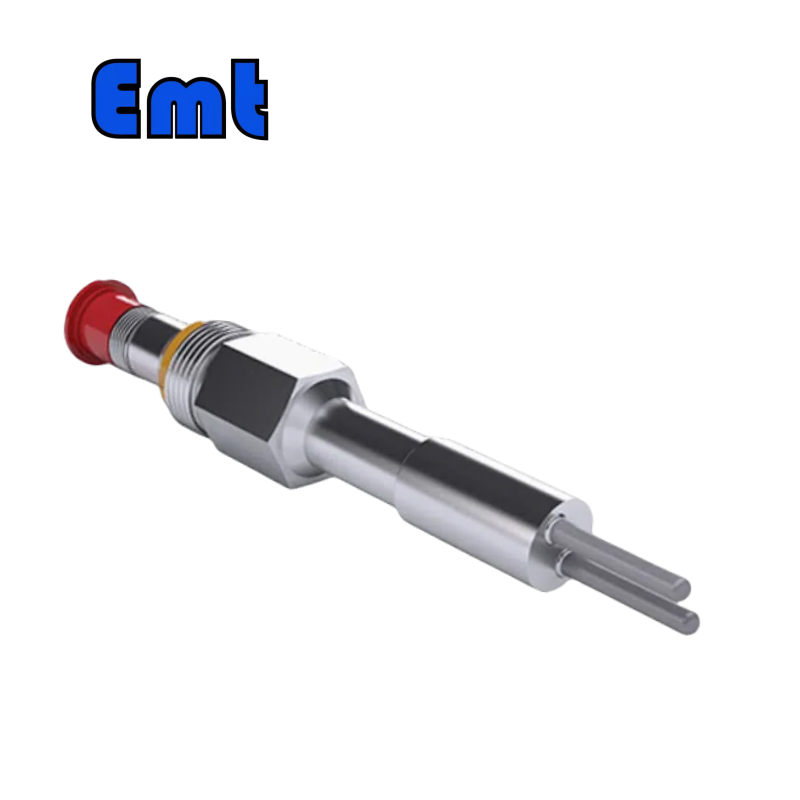
1. Description
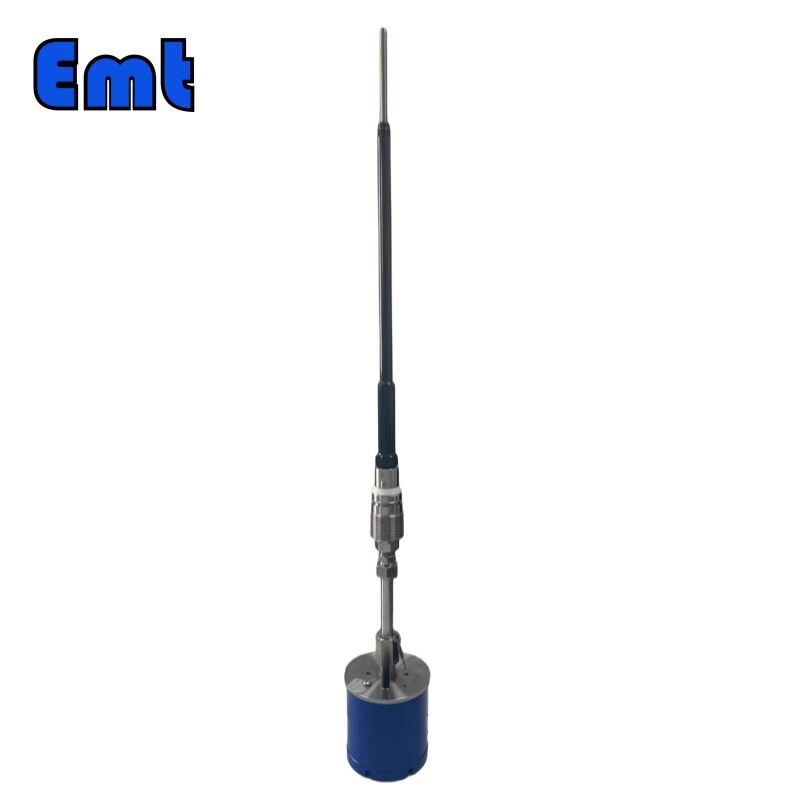
The EMT Linear Polarization Resistance (LPR) Probe is engineered to be highly versatile, enabling seamless integration with a diverse range of corrosion monitoring systems. Below are detailed insights into its usage:
- Integration with Existing Systems:
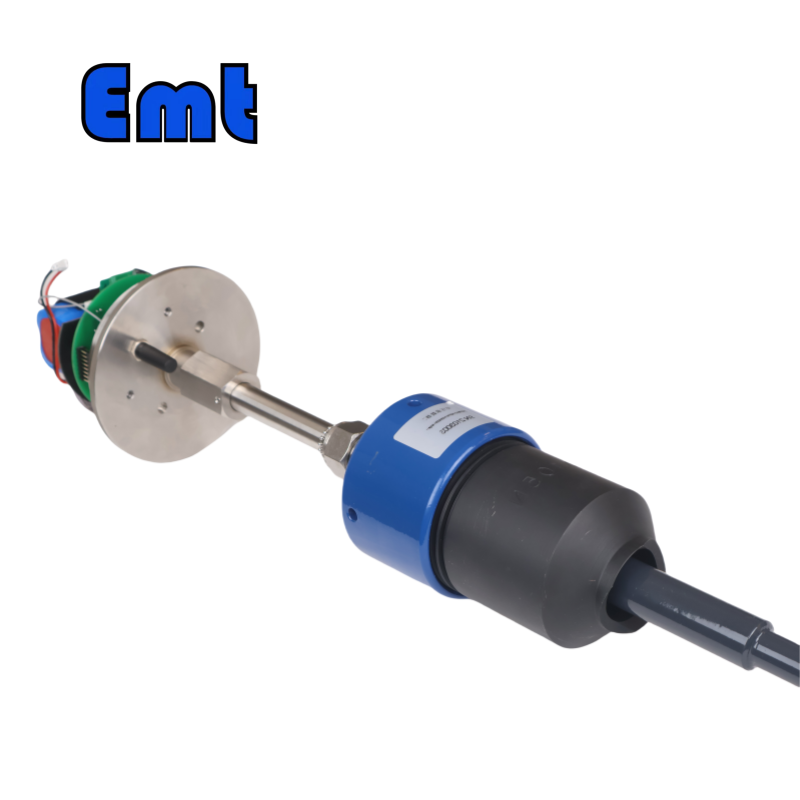
The LPR probe is designed with standard industry connectors and output signals, which allows it to be easily added to existing corrosion monitoring setups without the need for significant system modifications. This plug-and-play capability is crucial for industries looking to upgrade their monitoring technologies without overhauling their current infrastructure.
- Flexible System Requirements:
This probe is compatible with both stand-alone data loggers and more complex multi-sensor networks. It can operate independently or as part of an integrated system, providing flexibility in deployment based on the specific needs of the facility.
- Software Compatibility:
The data output from Linear Polarization Resistance Probe is typically in a form that can be directly ingested by common data analysis software packages used in corrosion monitoring. This allows for easy interpretation and integration of data into predictive maintenance schedules and historical trend analysis.
- Customization Options:
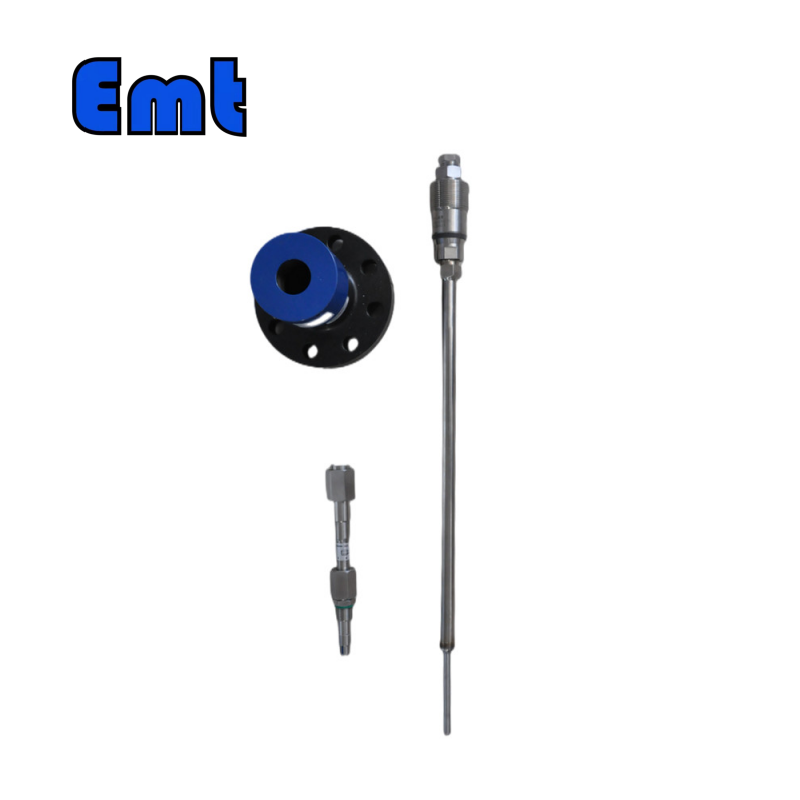
Depending on the specific application and environmental conditions. The probe can be customized with different types of reference electrodes and various probe lengths. This customizability ensures that the probe can deliver accurate readings under varied operational conditions, from subsea pipelines to high-temperature reactors.
2. Operational Guidance
To maximize the efficacy and lifespan of the EMT LPR Probe in various industrial environments, the following operational guidelines are recommended:
- Regular Calibration:
To maintain accuracy, the probe should be calibrated periodically against known standards. Calibration frequency can vary based on the corrosiveness of the environment and operational use, but typically it should be done at least once every six months.
- Maintenance Checks:
Regular maintenance checks are crucial to ensure the probe and its components, such as the reference electrode and protective cap, are in good working condition. These checks help in identifying wear and tear or any buildup of deposits that might affect the probe’s performance.
- Proper Installation:
Correct installation is critical for accurate measurements. The probe should be installed in a location where it is representative of the environment being monitored. But also accessible for maintenance and calibration. Installation should follow the manufacturer’s guidelines to avoid any potential issues.
- Data Analysis and Reporting:
The data collected by the LPR probe should be regularly analyzed to track corrosion trends and assess the effectiveness of corrosion control methods. This analysis helps in making informed decisions about maintenance schedules, system adjustments, and potential upgrades.
3. Application Scope of the EMT LPR Probe
Oil and Gas
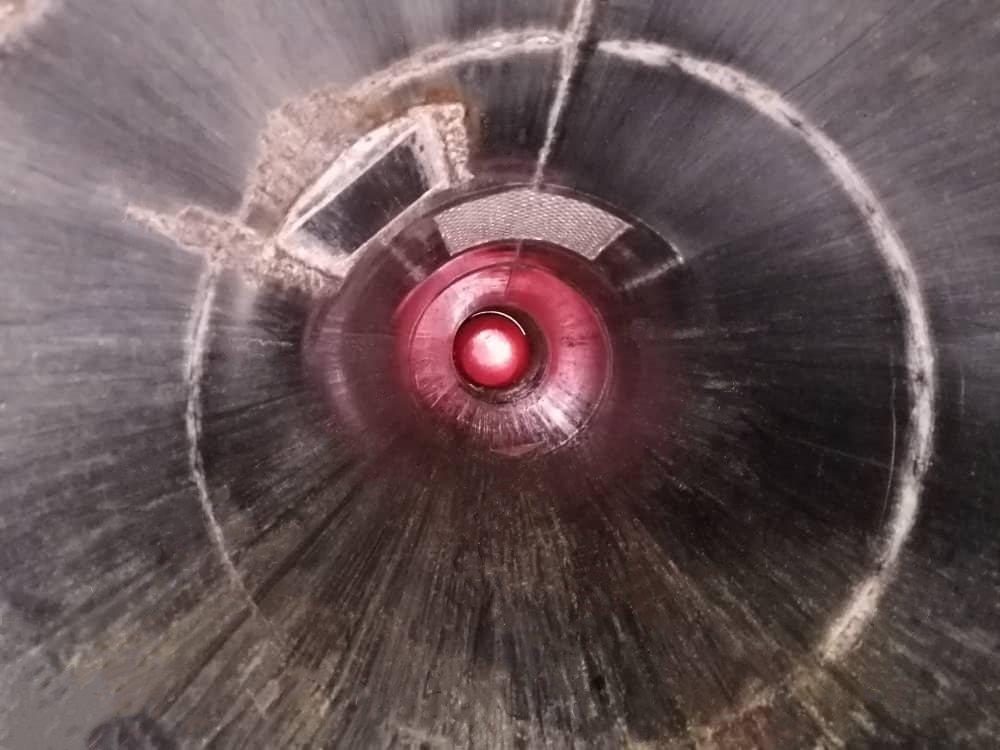
In the oil and gas industry, pipelines are the lifeline, transporting valuable and often hazardous materials over long distances. The EMT LPR (Linear Polarization Resistance) Probe serves a critical role in this sector by providing rapid detection of corrosion. Early detection is vital as it can prevent pipeline failures that might lead to significant environmental hazards and financial losses. Implementing the LPR Probe helps ensure pipeline integrity by continuously monitoring corrosion rates. Thereby enabling timely maintenance and repairs before any real damage occurs. This proactive approach not only safeguards the environment but also optimizes operational efficiency and reduces unplanned downtime.
Chemical Processing
The chemical processing industry involves the handling and manufacturing of corrosive substances, making material integrity a cornerstone of safe operations. In environments where even a small leak or failure can lead to catastrophic outcomes, the EMT LPR Probe is indispensable. So it allows for the continuous monitoring of equipment and containment systems to detect corrosion early, facilitating immediate action to mitigate risks. This capability ensures that structural failures due to corrosion are caught in time, maintaining the safety of the plant, its workers. And the surrounding community while adhering to strict industry regulations.
Maritime
In maritime applications, including shipping and offshore oil rigs, corrosion poses a constant threat due to the harsh, salty sea environment. The EMT LPR Probe is especially beneficial in these settings for monitoring the integrity of ships’ hulls, storage tanks, and offshore structures. Saltwater significantly accelerates the corrosion process. So having a reliable and efficient method to monitor and address corrosion helps extend the lifespan of maritime equipment and infrastructure. Regular use of the LPR Probe enables ship managers and rig operators to perform targeted maintenance. Thus avoiding the high costs associated with major repairs or replacements due to advanced corrosion.
Water Treatment
Water treatment facilities face unique challenges due to varying water qualities, which can rapidly degrade infrastructure and piping systems. The EMT LPR Probe plays a crucial role in these environments by monitoring corrosion levels. It provides data that can lead to better material choices and protection strategies. This is particularly important in older facilities or those using a range of chemicals for water treatment processes. So by understanding and controlling corrosion, operators can enhance the durability of their systems, reduce leakage and failure rates, and ensure continuous, safe water treatment operations.
In each of these industries, the EMT Linear Polarization Resistance Probe provides vital data that allows for the strategic planning of maintenance and the proactive handling of potential issues, aligning with both safety and economic objectives.

Reviews
There are no reviews yet.