

Description
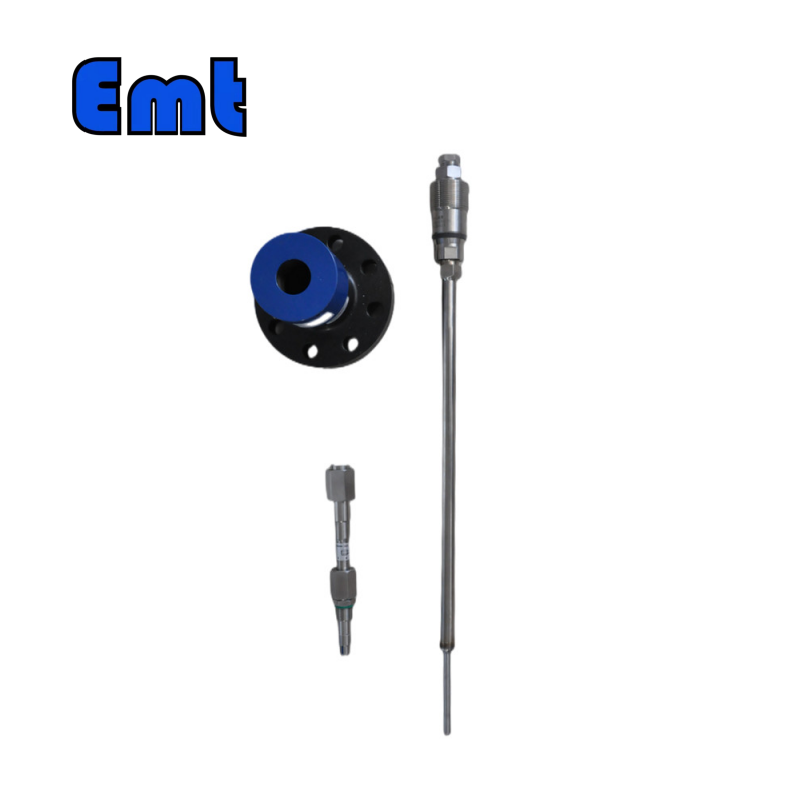
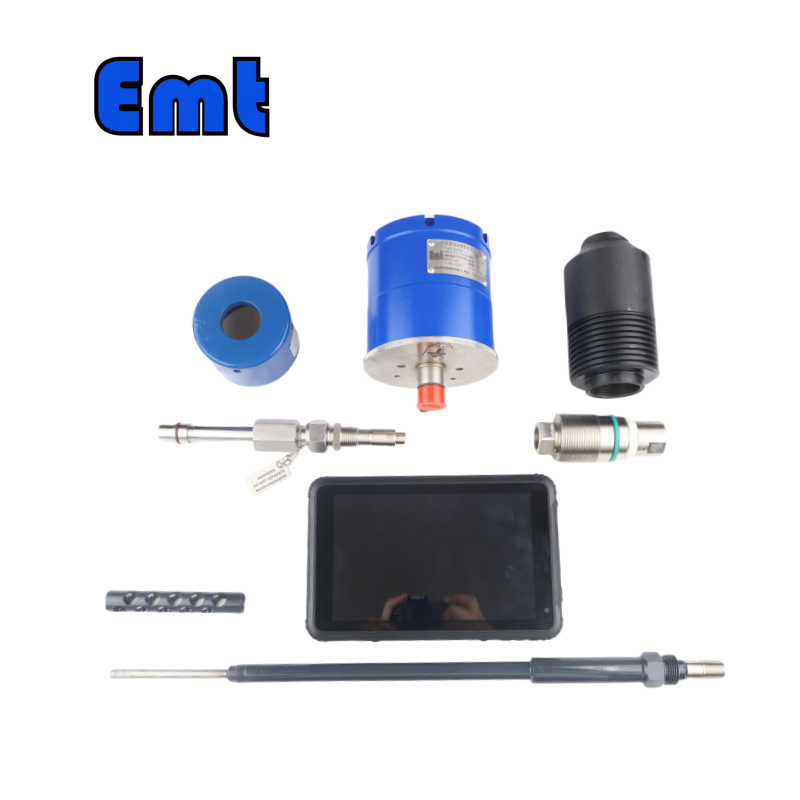
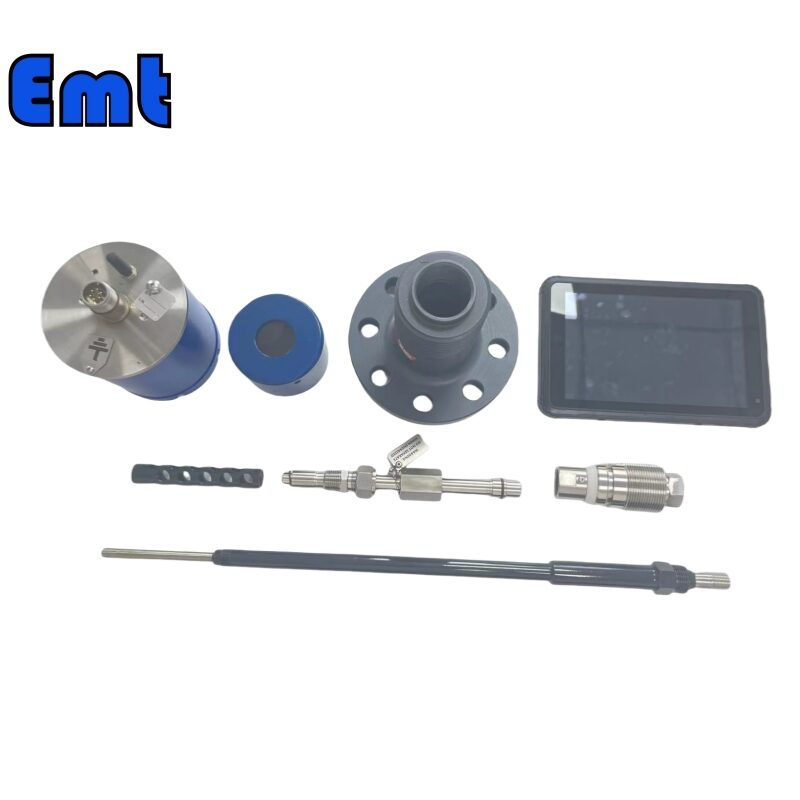
The ER Corrosion Probe is a highly accurate and reliable tool designed for monitoring internal corrosion in environments. Such as oil, gas, and water. Corrosion poses a significant industrial challenge, and effective control is crucial to prevent damage and maintain integrity at plants and production sites. Fast and reliable tools like the ER Probe are essential for verifying and controlling protection programs, including the use of corrosion inhibitors.
EMT ER Probe is renowned for its high resolution and sensitivity compared to other technologies, allowing for the detection of changes in corrosion rates within hours or days. This 2-inch retrievable ER Probe is ideal for upstream, high-pressure applications, offering features. Such as real-time monitoring and the ability to detect changes as small as 0.001% in element thickness. It supports process optimization, inhibitor injection, and performance monitoring of oxygen scavengers. Available in both flush and projecting designs, the probe can accommodate various operating conditions and fits most pipe sizes.
Model Selection Table
| Model | |||||||||||||||
| ECP | ER Corrosion Probe | ||||||||||||||
| -Code | Plug | ||||||||||||||
|
Pxxx | Type | Material | Sealing material | ||||||||||||
| 0 | Not Required | 0 | Carbon steel | 0 | Not Required | ||||||||||
| 1 | Hollow plug | 1 | 316 stainless steel | 1 | Fluorine rubber sealing ring/PTFE main seal | ||||||||||
| 2 | 316L stainless steel | 2 | HNBR | ||||||||||||
| 3 | F51 duplex stainless steel | ||||||||||||||
| 4 | INCONEL nickel based alloy | ||||||||||||||
| -Code | Temperature and pressure gauge assembly | ||||||||||||||
| Txxx | Connection size | Body material | Temperature and pressure gauge material | ||||||||||||
| 0 | Not Required | 0 | 304 stainless steel | 0 | Not Required | ||||||||||
| 1 | 1/2″ | 1 | 316 stainless steel | 1 | 304 stainless steel | ||||||||||
| 2 | 3/4″ | 2 | 316L stainless steel | 2 | 316 stainless steel | ||||||||||
| 3 | F51 duplex stainless steel | ||||||||||||||
| -Code | Probe assembly | ||||||||||||||
| Dxx ‐Lx″ | Connection size | Body material | Pipeline specification (x ″) | ||||||||||||
| 0 | Not Required | 0 | Carbon steel | Probe length varies with pipeline specifications | |||||||||||
| 1 | 1/4″ | 1 | 304 stainless steel | ||||||||||||
| 2 | 1/2″ | 2 | 304L stainless steel | ||||||||||||
| 3 | 316 stainless steel | ||||||||||||||
| 4 | 316L stainless steel | ||||||||||||||
| 5 | F51 duplex stainless steel | ||||||||||||||
| Example: ECP-P121-T021-D02-L6 ” ECP: resistance probe assembly; P121: The hollow plug is made of 316L, with fluoro rubber ring and PTFE main seal; T201: The size of the temperature and pressure gauge assembly connector is 3/4″, and is made of 304 stainless steel. The temperature and pressure gauge is made of 304 stainless steel; D02: The probe connection size is not required, and the probe body is made of 316L stainless steel; L6″: The probe length is suitable for a 6″ pipeline. | |||||||||||||||
Application
The application scenarios of (ER corrosion rate probe) are very wide. Mainly concentrated in the field where real-time monitoring of internal corrosion of pipelines is required. The following are some of the main application scenarios of this equipment:
1. Oil and gas industry:
In oil and gas pipelines, corrosion is a serious problem that may lead to leaks and accidents. The ER corrosion rate probe can monitor the corrosion of the inner wall of the pipeline in real time, helping operators to take maintenance measures in time to ensure the safe operation of the pipeline.
2. Chemical industry:
Chemical pipelines often transport various corrosive media, such as acids, alkalis, and salts. These media have a strong corrosive effect on the inner wall of the pipeline. So it is necessary to monitor the corrosion regularly. The ER corrosion rate probe can provide accurate corrosion rate data and provide a scientific basis for the maintenance and maintenance of pipelines.
3. Water supply system:
In urban water supply systems, pipeline corrosion not only affects water quality, but also may cause leaks and bursts. So the ER corrosion rate probe can be installed in key locations to monitor the corrosion of pipelines in real time to ensure the safe and stable operation of the water supply system.
4. Marine engineering:
Marine engineering facilities such as offshore platforms and submarine pipelines are in seawater environments for a long time, and are eroded and washed by seawater, and the corrosion problem is particularly prominent. ER corrosion rate probes can be installed in the pipeline system of marine engineering facilities to monitor corrosion in real time and provide important data support for the maintenance and upkeep of facilities.
5. Cathodic protection system verification:
In pipeline systems using cathodic protection technology, ER corrosion rate probes can also be used to verify the effectiveness of cathodic protection. By comparing the changes in corrosion rate before and after protection. The performance of the cathodic protection system can be evaluated to ensure that the pipeline is fully protected.
6. Energy industry:
In the energy industry, such as thermal power plants and nuclear power plants, pipeline systems often face corrosion problems. Then ER corrosion rate probes can be used in the pipeline systems of these industries to monitor corrosion in real time and provide important references for the maintenance and upkeep of equipment.
7. Industrial cooling water system:
In many industrial processes, cooling water systems are an important component. However, factors such as dissolved oxygen and impurities in cooling water may cause corrosion of the inner wall of the pipeline. So ER corrosion rate probes can be used to monitor corrosion in these systems to ensure the normal operation of the cooling water system.
In short, the application scenarios of bypass monitoring pipeline corrosion rate probes (ER corrosion rate probes) are very wide. It covers almost all areas where real-time monitoring of internal corrosion of pipelines is required. So by monitoring the corrosion situation in real time and taking corresponding maintenance measures, the safe and stable operation of the pipeline system can be ensured and its service life can be extended.



Reviews
There are no reviews yet.