

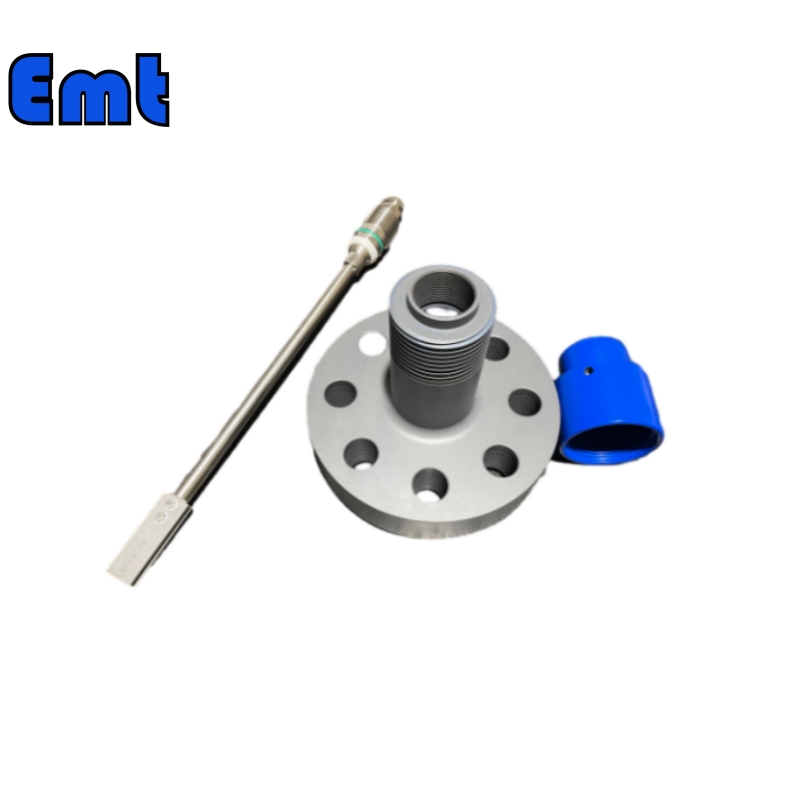
Description
Materials of Metal Corrosion Coupons
EMT Corrosion coupon materials include stainless steel, copper/copper alloys, low-carbon steel, galvanized steel, and aluminum. This knowledge is vital for providing maintenance services for your systems. It also helps identify metals in your system. Accurate monitoring of corrosion rates is crucial.
It ensures system integrity and minimizes the risk of damage. This is essential in corrosion detection and material maintenance. Maintaining and repairing costs associated with corrosion are significant factors. Developing a real-time corrosion monitoring method becomes paramount. This is crucial for effectively dealing with corrosion and material failure.
One cost-effective and efficient method of online monitoring is using corrosion coupons. These tools reliably measure system corrosivity. By observing the mils-per-year corrosion rate of an exposed coupon, valuable information is gathered. This data helps determine the material’s life expectancy. It also identifies potential issues early. Subsequently, operators can implement necessary preventative measures.
Parameters
| Material | Stainless Steel 304、Stainless Steel 316、DSS F51、Carbon Steel A105N、Inconel 625 |
| Operating Temperature | -20±120 |
| Feature | Firstly, Easy to Operating |
| Secondly, High Accuracy Long Life | |
| At last, High Efficiency, Low cost | |
| Payment | TT/LC |
| Advantage | Firstly, they are lightweight and flexible. |
| Secondly, Nice Injection efficiency. | |
| At last, Accurate location tracking. |
What are corrosion coupons?
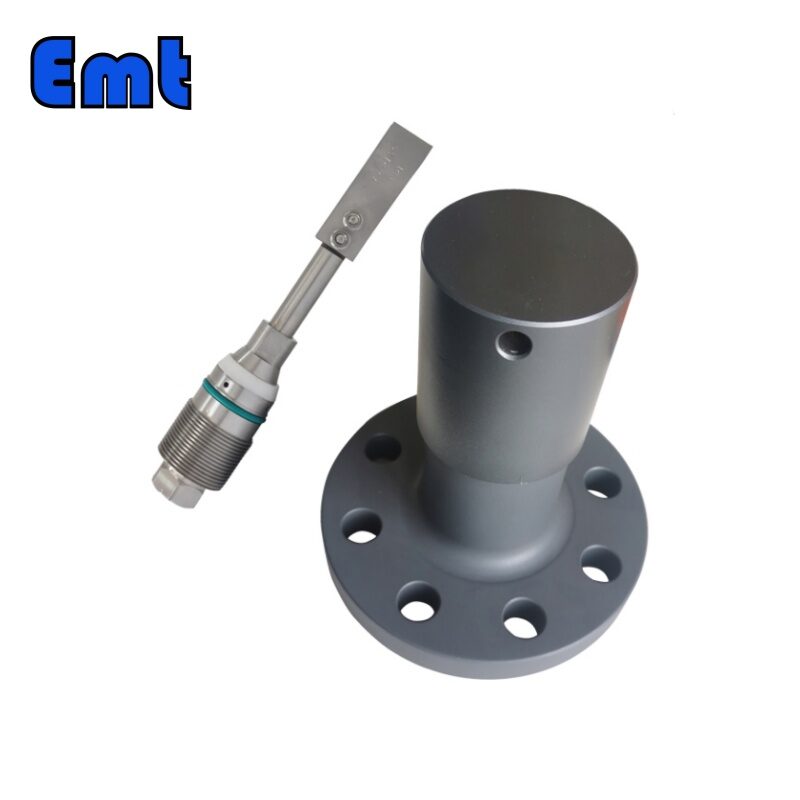
Metal Corrosion Coupons, also known as coupon strips, monitor the corrosivity of a system. They are small, thin, rectangular metal pieces. Typically, they are constructed from carbon steel, a highly susceptible material. This design mimics the conditions of the system they monitor.
Corrosion coupons are installed in the system to duplicate the corrosion rate experienced in piping, pipelines, or vessels, providing a direct measurement of the corrosivity of the system. They can also be used to estimate the effectiveness of the mitigation program in place or evaluate the suitability of a specific material for a specific system.
Why use corrosion coupons?
The primary purpose of using corrosion coupons is to monitor the corrosivity of a system. By installing corrosion coupons in the system, the corrosivity of the system can be accurately measured and monitored in real-time. This allows for the identification of potential issues and the implementation of necessary preventative measures, ensuring the long-term integrity of the system.
Corrosion coupons are also used to evaluate the effectiveness of the mitigation program in place, allowing for the identification of areas where improvements can be made. Additionally, corrosion coupons can be used to evaluate the suitability of a specific material for a specific system, allowing for the selection of the most appropriate materials for the system.
How should the Metal Corrosion Coupons be positioned?
Position the corrosion coupon in the plane of the vessel or pipe wall to accurately represent the flow regime. Generally speaking, the corrosion coupon should be positioned in a direction that is parallel to the process flow, as this will provide the most accurate representation of the corrosion rate. It is also important to monitor both the 6 O’clock and the 12 O’clock positions, as these are the most susceptible to corrosion in systems with multiphase/stratified flow or systems where the bottom-of-line deposits could occur.
Position the corrosion coupon in the plane of the vessel or pipe wall. This placement ensures it accurately represents the flow regime. This will ensure that the coupon is exposed to the same flow conditions as the rest of the vessel or pipe and will provide the most accurate data. The best representation of flow in a given system will be achieved by using flush-mounted coupons rather than intrusive coupons, as these will not disrupt the flow pattern and will provide the most accurate data.


Reviews
There are no reviews yet.