


Description
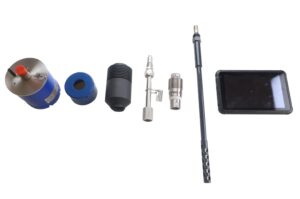
HS5000-LPR corrosion transmitter
The HS5000-LPR electrochemical corrosion transmitter of the Corrosion Monitoring System can measure the rate of metal corrosion and output it to the upper computer system in real time through related protocols.
Product and function
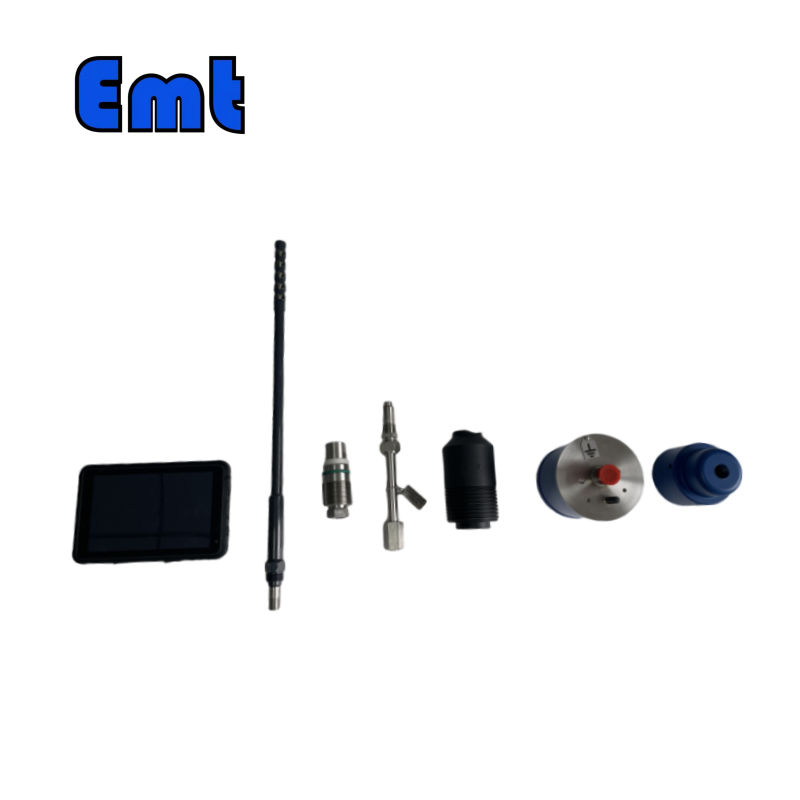
The product mainly consists of four parts: a corrosion transmitter, an extension cable (optional), a corrosion probe, and an electrode.
Technical characteristics
(1) Combine the current advanced computing and data analysis technology to accurately measure corrosion rate.
(2) Industries often use electrochemical corrosion monitoring systems for online and real-time monitoring of corrosion rates. These industries include petroleum, electric power, and water treatment. The systems monitor corrosion under metal pipeline electrolyte environments. They also evaluate corrosion inhibitors in laboratories and control their injection on-site.
(3) You can connect the transmitter directly with the probe. Alternatively, you can use the cable inlet for a split-type connection.
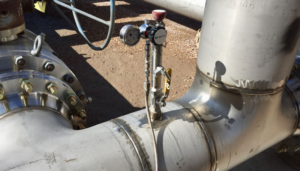
(4) Connect different probe types and electrodes, including cylindrical probe, flat head probe, standard insert type probe optional thread process connection, and flange process connection.
(5) One measurement period is 10 minutes.
(6) The corrosion rate can be transmitted to the plant operator via RS-485 signals.
(7) The application temperature can reach 250 degrees, and the maximum pressure can reach 10MPa.
Application value of Corrosion Monitoring System
- for field operators and corrosion engineers
– Real-time, online corrosion monitoring corrosion rate, control corrosion risk
– Output RS-485 standard signal - for the production unit
– Corrosion control process automation
– Reduce asset renewal and extend asset life (selective overhaul rather than planned overhaul)
– Optimize the selection of corrosion inhibitors (type selection, adding time, adding dose) - to the enterprise
– Save more than 20% of corrosion costs
– Reduce accidents
– Enhance corporate competitiveness and establish corporate image
Technical Specifications
| Technical specifications | |
| Output signal | Wired form: RS-485 signal; |
| Wireless form: LORA, 4G/5G wireless network signal | |
| Power supply voltage | 9-36VDC |
| Rated operating voltage | 9VDC |
| Meter power consumption | 5.4W (Wired) |
| Linear | 0.0015% non-linear |
| Resolution | 17 bit |
| B | 25.6 mV |
| Accuracy | ±0.2% F.S (full scale) |
| Corrosion rate range | When the electrode area is 1cm², the measurement range is 4X10⁻⁴~10mm/a |
Overview of Electrochemical Corrosion Monitoring System
An electrochemical corrosion monitoring system helps detect and measure corrosion in real-time. It uses electrochemical techniques to monitor the corrosion rate. This system provides valuable data on the rate and extent of corrosion. Engineers use this data to make informed decisions about maintenance and repairs.
One key component of the system is the sensor. The sensor detects changes in electrochemical properties due to corrosion. These changes include variations in current and potential. The sensor transmits this data to a central processing unit. The processing unit analyzes the data and provides actionable insights.
Electrochemical corrosion monitoring systems offer several advantages. They provide real-time monitoring, which allows for early detection of corrosion. Early detection helps prevent significant damage and costly repairs. These systems also operate continuously, providing constant surveillance of critical assets.
Additionally, the systems are versatile and can be used in various industries. For instance, they are used in oil and gas, chemical processing, and water treatment. Their adaptability makes them suitable for different environments and conditions.
In summary, electrochemical corrosion monitoring systems are essential for maintaining infrastructure integrity. They provide real-time data, allowing for proactive maintenance. This helps extend the lifespan of critical infrastructure and reduces maintenance costs.
Selection Model of Corrosion Probe
| Model | |||||||||||||||
| ECP | Electrical Resistance Probes | ||||||||||||||
| -Code | Plug | ||||||||||||||
| Type | Material | Sealing material | |||||||||||||
| 0 | Not Required | 0 | Carbon steel | 0 | Not Required | ||||||||||
| 1 | Hollow plug | 1 | 316 stainless steel | 1 | Fluorine rubber sealing ring/PTFE main seal | ||||||||||
| 2 | 316L stainless steel | 2 | HNBR | ||||||||||||
| 3 | F51 duplex stainless steel | ||||||||||||||
| Pxxx | 4 | INCONEL nickel based alloy | |||||||||||||
| -Code | Temperature and pressure gauge assembly | ||||||||||||||
| Txxx | Connection size | Body material | Temperature and pressure gauge material | ||||||||||||
| 0 | Not Required | 0 | 304 stainless steel | 0 | Not Required | ||||||||||
| 1 | 1/2″ | 1 | 316 stainless steel | 1 | 304 stainless steel | ||||||||||
| 2 | 3/4″ | 2 | 316L stainless steel | 2 | 316 stainless steel | ||||||||||
| 3 | F51 duplex stainless steel | ||||||||||||||
| -Code | Probe assembly | ||||||||||||||
| Dxx | Connection size | Body material | Pipeline specification (x ″) | ||||||||||||
| 0 | Not Required | 0 | Carbon steel | Probe length varies with pipeline specifications | |||||||||||
| ‐Lx″ | 1 | 1/4″ | 1 | 304 stainless steel | |||||||||||
| 2 | 1/2″ | 2 | 304L stainless steel | ||||||||||||
| 3 | 316 stainless steel | ||||||||||||||
| 4 | 316L stainless steel | ||||||||||||||
| 5 | F51 duplex stainless steel | ||||||||||||||
| Example: ECP-P121-T021-D02-L6 “ | |||||||||||||||

Benefits of Electrochemical Corrosion Monitoring Systems
For field operators and corrosion engineers, these systems offer real-time, online corrosion monitoring. This capability helps control corrosion risks effectively. Additionally, the systems output RS-485 standard signals, facilitating easy integration with existing infrastructure.
Moving on to the production unit, these systems automate the corrosion control process. This automation reduces the need for asset renewal and extends asset life. Instead of relying on planned overhauls, operators can perform selective overhauls. Furthermore, the systems help optimize the selection of corrosion inhibitors. Operators can make informed decisions about the type, timing, and dosage of inhibitors.
Looking at the enterprise level, these systems offer substantial cost savings. Companies can save more than 20% on corrosion-related expenses. Moreover, the systems help reduce accidents, enhancing workplace safety. This reduction in accidents contributes to a more reliable operation. Additionally, the use of these systems enhances corporate competitiveness. Companies can establish a strong corporate image through proactive corrosion management.
In conclusion, electrochemical corrosion monitoring systems provide significant benefits across various levels. From field operators to enterprise management, everyone gains valuable advantages. These systems ensure safety, efficiency, and cost-effectiveness, making them indispensable in corrosion management.



Reviews
There are no reviews yet.