

Description
Introduction
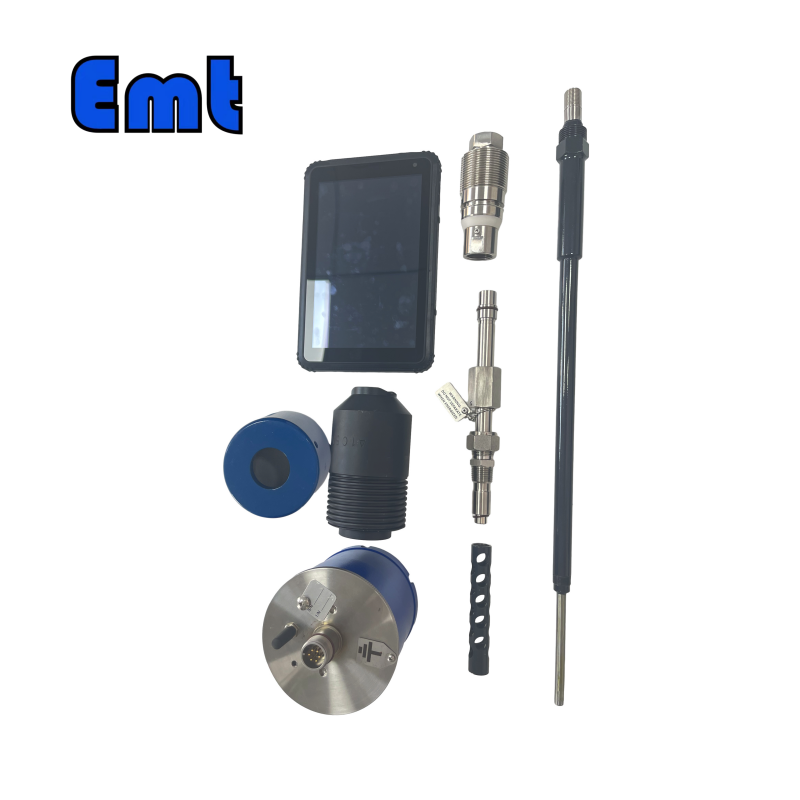
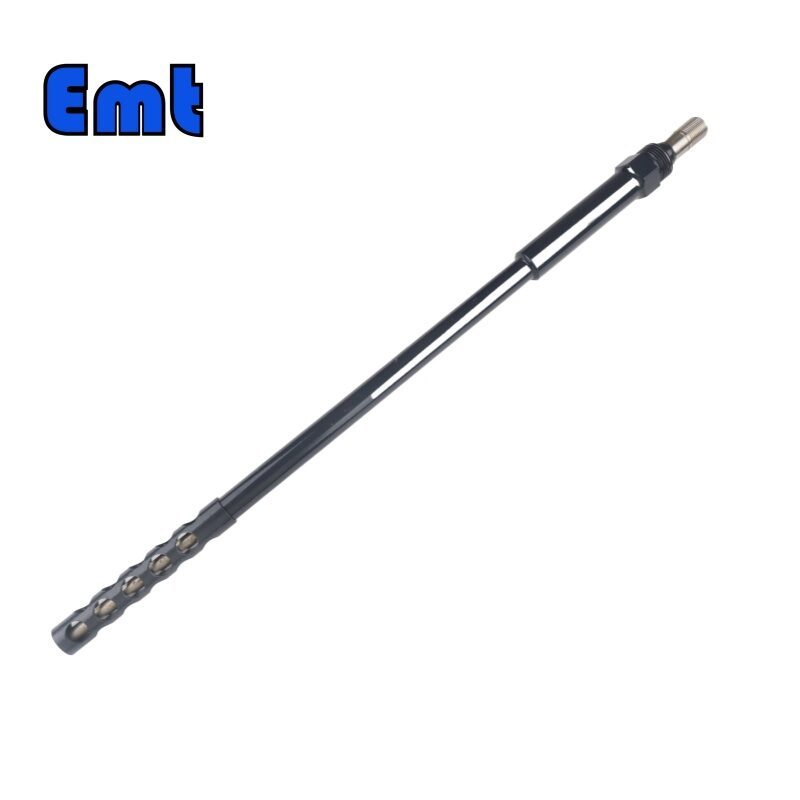
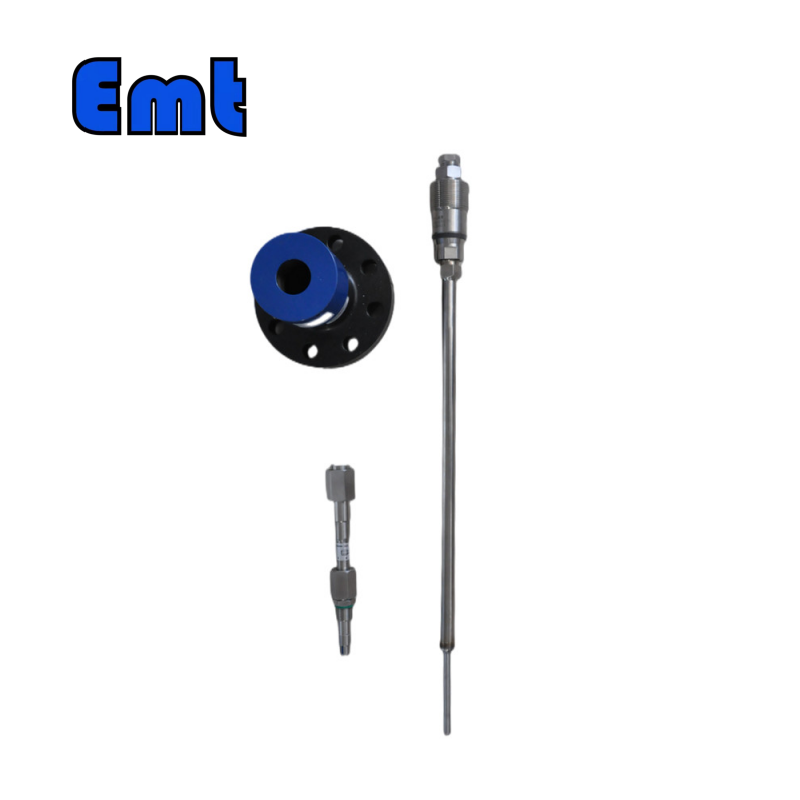
EMT Corrosion Monitoring Probes are critical instruments designed to ensure the integrity and long-term sustainability of industrial pipelines and infrastructure through precise corrosion monitoring. These devices play a pivotal role in the maintenance and safety strategies of various industries, including oil and gas, water treatment, and chemical processing.
Features and Advantages of ER Corrosion Monitoring Probes

ER Corrosion Monitoring Probes, particularly those used for bypass monitoring in pipeline systems, incorporate several advanced features and offer multiple advantages that make them essential for effective corrosion management:
1. Real-time Monitoring:
These probes provide continuous surveillance of the pipeline’s internal conditions, allowing for the immediate detection of corrosion. This capability is vital for timely interventions, which can prevent potential failures and costly accidents.
2. High Accuracy:
Utilizing cutting-edge measurement technologies and principles, Corrosion Monitoring Probes deliver precise and reliable data. This high level of accuracy is crucial for forming a solid foundation for pipeline maintenance decisions and strategies.
3. Ease of Operation:
Designed with user-friendliness in mind, these probes feature a modular design that simplifies both installation and removal, reducing the time and technical skill required for these operations.
4. Automatic Features:
Many models come equipped with automatic calibration and fault self-diagnosis functionalities, enhancing the reliability of the data and minimizing maintenance efforts and costs.
5. Versatility in Application:
The robust design of Corrosion Monitoring Probes makes them suitable for a variety of environments, including harsh conditions such as offshore platforms and oil fields. This adaptability ensures reliable performance across diverse operational scenarios.
Operating Procedures of ER Corrosion Monitoring Probes

Installation Process
1. Site Selection
- Assessment of Corrosion Risk: Begin by evaluating the pipeline to identify sections where corrosion is most likely to occur. This may involve historical data analysis, visual inspections, and the use of predictive modeling tools.
- Environmental Considerations: Consider environmental factors such as temperature, humidity, and exposure to chemicals, which can influence corrosion rates. Choosing a site with representative conditions is crucial for accurate monitoring.
- Accessibility: Ensure the selected site is accessible for both installation and future inspections or maintenance. This includes considering safety and logistical aspects for personnel access.
2. Tool Preparation
- Inventory of Tools: Compile a detailed list of all tools and equipment needed for the installation, such as screwdrivers, wrenches, clamps, and possibly specialized tools for handling the probes.
- Tool Inspection: Check each tool for proper functionality and signs of wear or damage. This ensures reliability and safety during the installation process.
- Organization: Arrange tools in order of their use to streamline the installation process and reduce downtime.
3. Probe Installation
- Mounting the Probe: Attach the probe mount to the pipeline using appropriate fixtures such as clamps or welding brackets. Ensure that the mount is stable and secure to avoid any movement that could affect measurement accuracy.
- Probe Alignment: Position the probe so that its sensors make optimal contact with the pipe surface. This may require adjusting the angle or position of the probe relative to the pipeline.
- Sealing: Apply any necessary sealants or gaskets to protect the probe’s electronics from environmental exposure, ensuring that all connections are tight and waterproof.
4. Cabling
- Cable Routing: Plan the route for cables from the probe to the data logger to minimize exposure to potential damage from environmental factors or operational activities. Use cable conduits or protective covers where necessary.
- Connection Points: Securely connect cables at both the probe and data logger ends, using screw terminals, plugs, or other connectors specified by the equipment manufacturer. Ensure that all connections are firm and provide good electrical contact.
- Cable Testing: After installation, conduct tests to verify that all electrical connections are correct and that the data transmission between the probe and the data logger is functioning properly. This might involve checking for continuity, resistance, and potential interference.
Calibration:
- Prepare Equipment: Use the calibration equipment provided by the manufacturer and follow the manual closely.
- Perform Calibration: Connect the equipment to the probe and adjust settings as required to ensure the corrosion monitoring probes’ readiness for precise measurements.
Data Recording and Analysis:
- Recording Setup: Connect the data collector, set measurement intervals, and start logging the corrosion data.
- Analysis: Use specialized software to analyze the data, plotting corrosion rates and identifying trends and potential issues.
Maintenance and Safety:
- Regular Inspections: Monitor the Corrosion Monitoring Probes’ functionality and data output regularly to detect and rectify any discrepancies.
- Maintenance Tasks: Perform routine cleaning and lubrication to prevent mechanical and chemical damage.
- Safety Measures: Employ protective measures during installation, calibration, and data handling to prevent accidents.


Reviews
There are no reviews yet.