

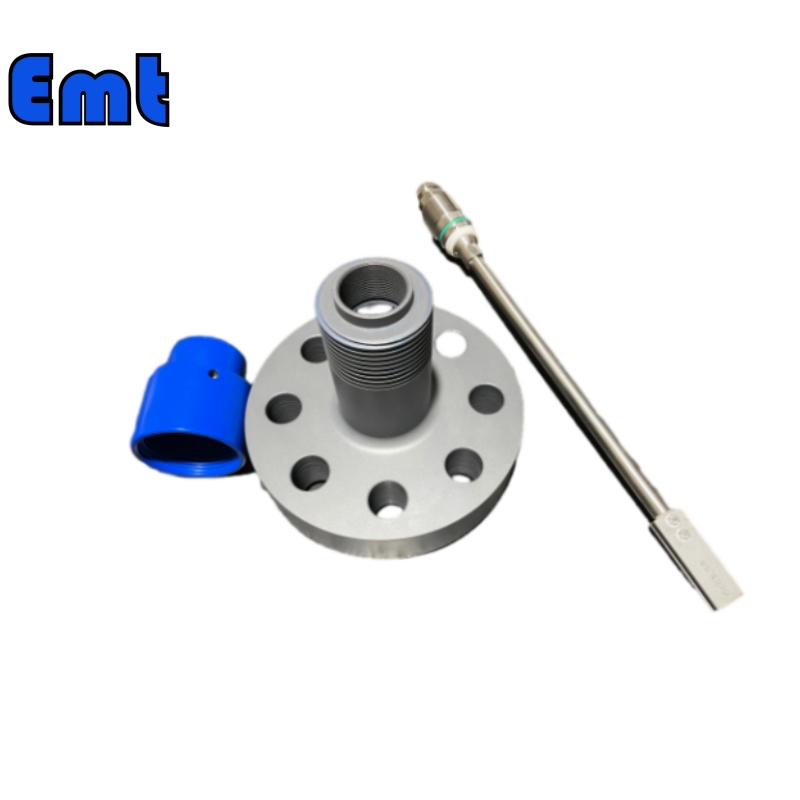
Description
How Corrosion Happens in Different Pipelines
Corrosion in pipelines occurs due to various factors, depending on the material of the pipeline, the environment it operates in, and the substances it transports. Here’s an overview of how corrosion happens in different types of pipelines:
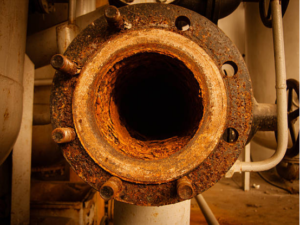
Metal Pipelines
Electrochemical Corrosion is the most common type of corrosion in metal pipelines. It occurs when a metal reacts with its environment, forming an electrochemical cell. The presence of water, oxygen, and salts accelerates this process. For example, in steel pipelines, iron reacts with oxygen and water to form rust (iron oxide).
Galvanic Corrosion: When two different metals are in contact in the presence of an electrolyte (like water), the more reactive metal (anode) corrodes faster than it would alone, while the less reactive metal (cathode) corrodes slower. This often happens in pipelines with mixed-metal joints or fittings.
Microbiologically Influenced Corrosion (MIC): Certain bacteria and microorganisms can accelerate corrosion by producing corrosive substances like hydrogen sulfide or by creating differential aeration cells that lead to localized corrosion. This is common in pipelines transporting water, oil, or gas.
Plastic Pipelines
Chemical Degradation: Although plastic pipelines are generally resistant to corrosion, they can degrade when exposed to certain chemicals. For instance, chlorinated water can cause stress cracking in some types of plastic pipes.
UV Degradation: Exposure to ultraviolet (UV) light can weaken plastic materials, making them more susceptible to cracking and other forms of degradation. This is a concern for above-ground pipelines exposed to sunlight.
Concrete Pipelines
Chemical Attack: Concrete pipelines can suffer from chemical attacks, such as acid corrosion. Acids can react with the calcium hydroxide in concrete, leading to its deterioration. This is common in sewage pipelines where acidic wastewater is present.
Sulfate Attack: Sulfates present in soil or groundwater can react with the cement in concrete, forming expansive products like ettringite, which can cause cracking and structural damage to the pipeline.
Composite Pipelines
Environmental Stress Cracking: Composite materials, which combine fibers like glass or carbon with a polymer matrix, can suffer from environmental stress cracking. This occurs due to the combined effect of mechanical stress and chemical exposure, leading to failures in the pipeline.
Delamination: Composite pipelines can experience delamination, where layers of the composite material separate due to moisture ingress, thermal cycling, or mechanical stress. This weakens the structural integrity of the pipeline.
Coupons
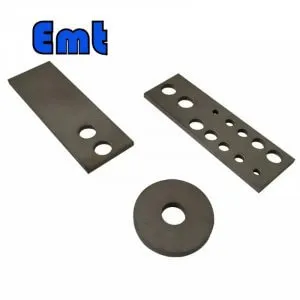
We provide many kinds of coupons, like circle type and strip type.
Circle Type Coupons
Circle type coupons are small, circular pieces of metal or other materials used primarily in corrosion testing. These coupons are placed in the environment where corrosion is to be monitored. Over time, they are inspected and analyzed to determine the rate and type of corrosion occurring. Circle type coupons are ideal for general corrosion studies due to their uniform shape and ease of handling.
Strip Type Coupons
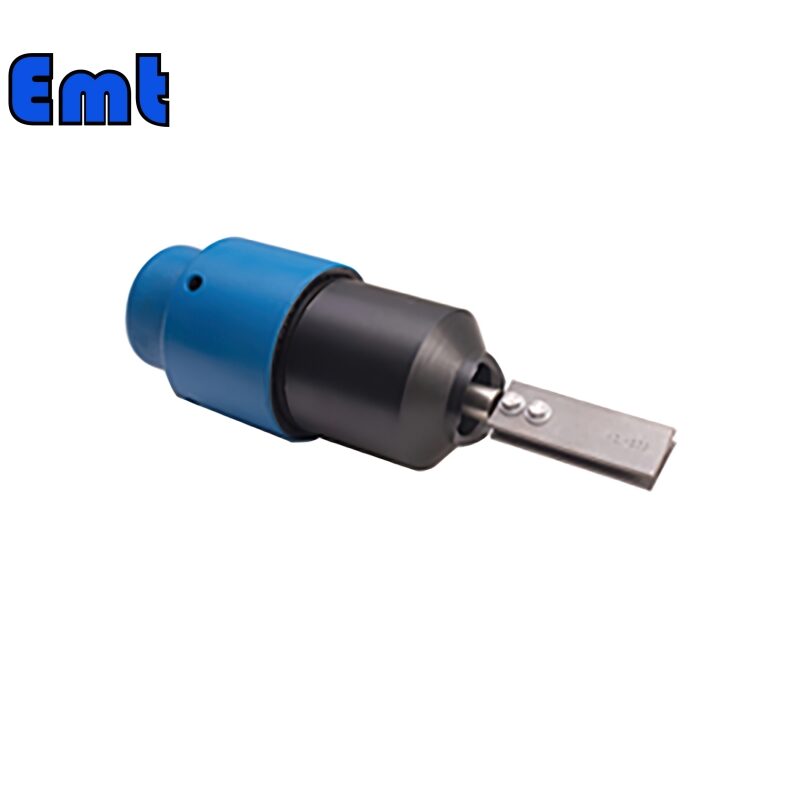
Strip type coupons are elongated, rectangular pieces used in similar applications as circle type coupons. Their shape makes them particularly suitable for studies where the direction of corrosion or the effect of flow on corrosion needs to be observed. Strip type coupons can be placed in pipelines, tanks, or other systems to monitor localized corrosion, erosion, and other degradation processes.
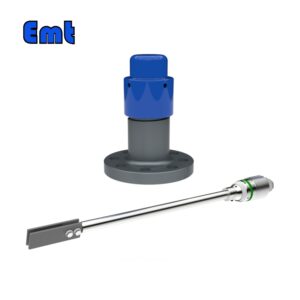
Selection Model of Corrosion Coupon
| Model | ||||||
| EMT-CIPA | Access Fitting Body of Coupon | |||||
| – The material of Access Fitting Body | ||||||
| 0 | CS | |||||
| 1 | 316SS | |||||
| 2 | 316LSS | |||||
| 3 | DUPLEX SS | |||||
| The Type of Access Fitting Body | ||||||
| B | 2″Welded(suffix “pressure rating” can be added to B) | |||||
| F | 2″ANSI Flange(suffix “pressure rating & sealing type” can be added to F) | |||||
| -Tee Size- pressure rating & sealing type if the flanged end | ||||||
| 0 | No Tee | |||||
| 1 | 1/4″NPT(F)Tee | |||||
| 2 | 1/2″NPT(F)Tee | |||||
| 3 | 3/4″NPT(F)Tee | |||||
| 4 | 1″NPT(F)Tee | |||||
| 5 | Hole for 1/4″SWN Flange | |||||
| 6 | Hole for 1/2″SWN Flange | |||||
| 7 | Hole for 3/4″SWN Flange | |||||
| 8 | Hole for 1″SWN Flange | |||||
| -Protective Cover Type/ Material | ||||||
| 0 | No Protective Cover | Material | ||||
| 1 | Without hole | CS or 0 | ||||
| 2 | With hole | SS or 1 | ||||
| 3 | Bleed Valve | DSS or 3 | ||||
| 4 | Bleed Valve, & Pressure Gauge | |||||
| For Example, EMT-CIPA-0F600#RF-2-1/CS shows 2″ANSI 600#RF Flange Access Fitting Body in CS, 1/2″NPT(F)Tee, Protective Cover in CS without hole | ||||||



Reviews
There are no reviews yet.