


Description

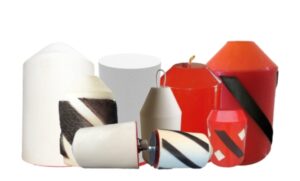
Bare Foam Pigs are essential devices used in pipeline maintenance for tasks such as cleaning, dewatering, and product separation. These pigs are crafted from open-cell polyurethane foam, making them both lightweight and flexible. Their design allows them to navigate through pipelines of various sizes and configurations with ease. Unlike their coated counterparts, bare foam pigs do not have an external coating. This feature makes them highly adaptable to different pipeline conditions and versatile in a wide range of applications.
Historical Background of Foam Pigs
The history of foam pigs is quite interesting and dates back several decades. Initially developed to meet the growing need for efficient pipeline cleaning and maintenance, foam pigs have undergone significant evolution. Early versions were rather basic, but advances in materials science and engineering have led to the creation of more sophisticated and effective foam pigs. Today, these tools are a staple in industries such as oil and gas, water treatment, and chemical processing. Their versatility and reliability have made them invaluable in modern pipeline operations.
Importance in Pipeline Maintenance
Bare foam pigs are crucial for maintaining the integrity and efficiency of pipelines. They are used to remove debris, scale, and other contaminants that can accumulate over time and impede flow. Regular use of foam pigs helps prevent blockages, reduces corrosion, and ensures smooth and efficient pipeline operations. Additionally, these pigs are instrumental in dewatering pipelines, gauging pipeline conditions, and separating different products within the pipeline. Their use not only extends the lifespan of pipelines but also enhances overall system performance. In essence, bare foam pigs are indispensable tools in modern pipeline maintenance practices, contributing significantly to the reliability and efficiency of our infrastructure.
Applications of Bare Foam Pigs
Cleaning Pipelines
Removal of Debris and Contaminants
Bare foam pigs effectively remove debris and contaminants from pipelines. They navigate through pipes, scraping away unwanted materials. This process ensures a clear and unobstructed flow. Regular cleaning prevents blockages and maintains pipeline efficiency. Consequently, it reduces the risk of costly repairs and downtime.
Methods for Effective Cleaning
Operators use various methods for effective cleaning with foam pigs. They may adjust the pig’s size and density to fit the pipeline. Some methods involve multiple pigs to enhance cleaning efficiency. Additionally, operators may use cleaning agents alongside foam pigs. This combination ensures the thorough removal of stubborn contaminants. Continuous monitoring ensures the cleaning process achieves the desired results.
Dewatering Pipelines
Process and Importance
Dewatering pipelines is critical to pipeline maintenance. Foam pigs push out residual water after cleaning or maintenance. This process prevents water from causing corrosion or freezing. Consequently, it ensures the pipeline remains in optimal condition. Dewatering also prepares pipelines for product transport. It is an essential step in maintaining pipeline integrity.
Best Practices for Dewatering
Operators follow best practices for efficient dewatering. They select the appropriate foam pig for the task. The pig’s size and density must match the pipeline’s needs. Operators monitor the dewatering process closely. They ensure all water is expelled from the pipeline. Regular maintenance checks confirm the pipeline remains dry and corrosion-free.
Separation of Products
How Foam Pigs Aid in Product Separation
Foam pigs play a vital role in product separation. They act as barriers between different products in a pipeline. This separation prevents cross-contamination of products. Operators use foam pigs to switch between different transported materials. The pigs ensure each product remains pure and uncontaminated. This process is crucial in industries like oil and gas.
Industry Examples
Various industries use foam pigs for product separation. The oil and gas industry routinely employs them for different product batches. Chemical processing plants use foam pigs to keep chemicals distinct. Food and beverage industries rely on them for hygienic separation. Water treatment facilities also benefit from using foam pigs. Each industry ensures product integrity through effective separation.

Benefits of Using Bare Foam Pigs
Cost-Effectiveness
Comparing Costs with Other Pigging Solutions
Bare foam pigs offer a cost-effective solution compared to other pigging methods. They are generally less expensive to produce. Additionally, their lightweight nature reduces transportation costs. This affordability makes them accessible for various pipeline maintenance budgets. Consequently, many industries prefer foam pigs for their cost efficiency.
Long-Term Savings
Using bare foam pigs leads to significant long-term savings. Regular maintenance with foam pigs prevents costly pipeline repairs. They reduce the frequency of major blockages and corrosion issues. By maintaining pipeline efficiency, they extend the lifespan of the infrastructure. Over time, these savings outweigh the initial investment in foam pigs.
Flexibility and Versatility
Adapting to Different Pipeline Conditions
Bare foam pigs adapt to a wide range of pipeline conditions. Their flexible structure allows them to navigate bends and irregularities. They can handle varying pipeline diameters and configurations. This adaptability ensures thorough cleaning and maintenance in diverse environments. Operators can rely on foam pigs for consistent performance across different pipelines.
Multi-Purpose Usage
Foam pigs serve multiple purposes in pipeline maintenance. They effectively clean, dewater, and separate products. This versatility reduces the need for multiple specialized tools. Operators can use foam pigs for various tasks, streamlining maintenance processes. Their multi-purpose nature makes them invaluable in pipeline operations.
Efficiency and Reliability
Performance Metrics
Bare foam pigs deliver impressive performance metrics. They exhibit high efficiency in removing debris and contaminants. Their lightweight design ensures quick and easy insertion and retrieval. Foam pigs also demonstrate excellent adaptability to pipeline conditions. These metrics highlight their reliability and effectiveness in pipeline maintenance.
Case Studies Demonstrating Reliability
Numerous case studies illustrate the reliability of bare foam pigs. In the oil and gas industry, foam pigs have successfully maintained pipeline integrity. Chemical plants report reduced cross-contamination and improved product purity. Water treatment facilities note efficient dewatering and cleaning processes. These real-world examples underscore the dependability of foam pigs in various applications.

Reviews
There are no reviews yet.