

Description
Parameters of Chemical Quill
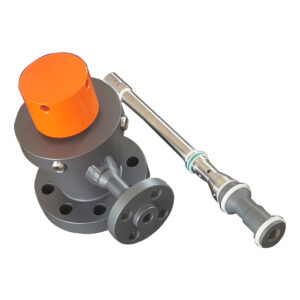
| Name | Pipeline Chemical Injection Quill Sampling System |
| Material | Stainless Steel 304、Stainless Steel 316、DSS F51、Carbon Steel A105N、Inconel 625 |
| Operating Temperature | -20±120 |
| Feature | 1. Easy Operating |
| 2. High Accuracy Long Life | |
| 3. High Efficiency, Low cost | |
| Payment | TT/LC |
| Advantage | Firstly, they are lightweight and flexible. |
| Secondly, nice Injection efficiency. | |
| At last, accurate location tracking. |
What Is A Chemical Quill?
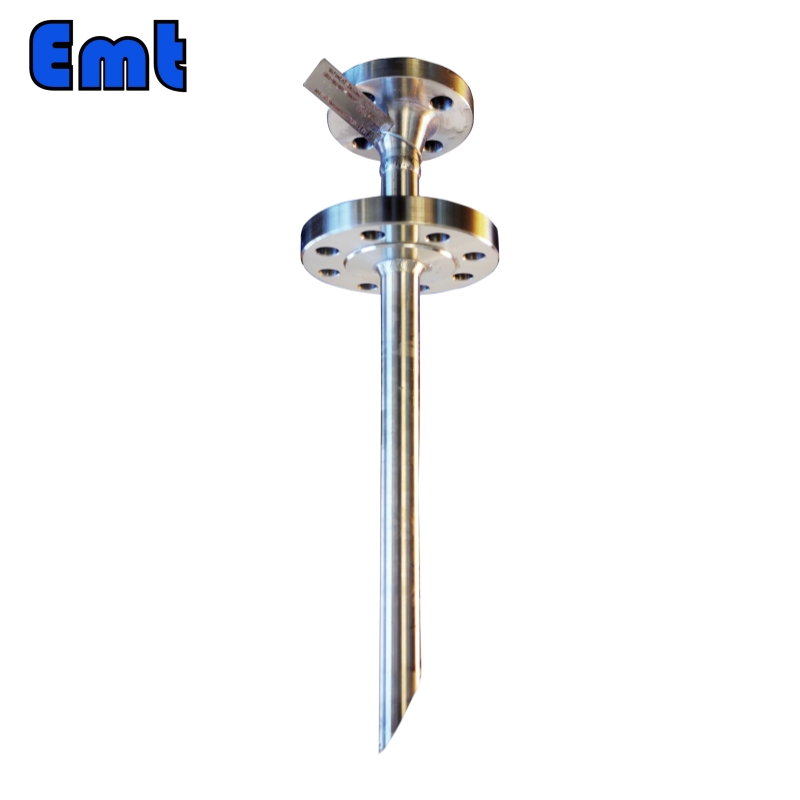
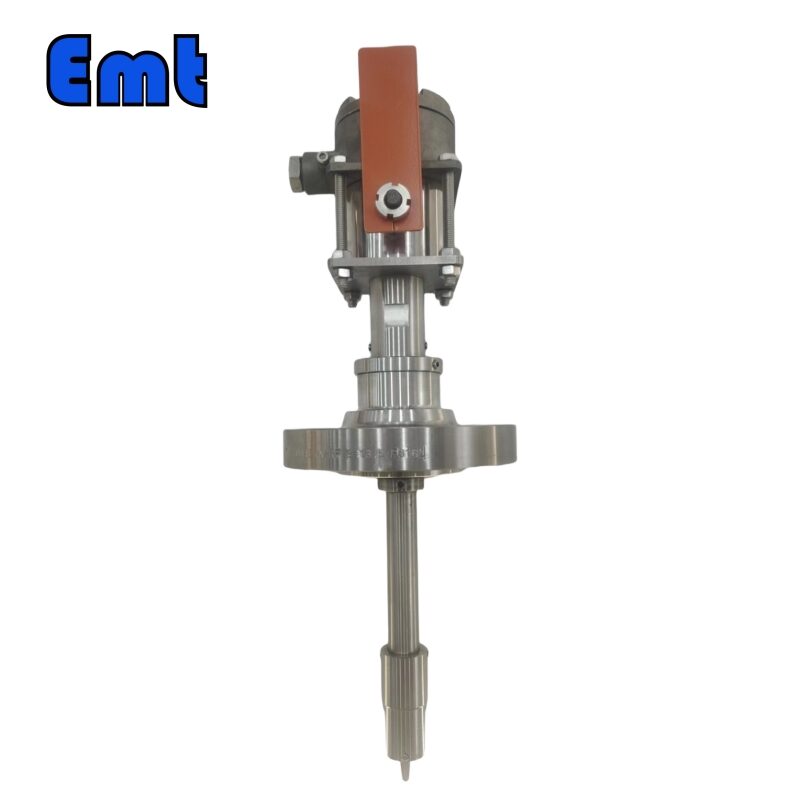
A chemical quill is a tool for pipeline cleaning. It helps inject chemicals into the pipe to clean debris in the medium. It’s like an injection, injecting the drug into the blood vessel. While the chemical quill injects chemicals into the pipe vessels. Injection tubes play a vital role in a wide range of industrial processes. Injection tubes make it easy to introduce chemicals, including chlorine, into pipes and containers. They are used in a wide range of industries, such as water treatment, chemical processing, oil and gas, and pharmaceuticals. These tools help ensure accurate and efficient distribution of chemicals within the system. Its unique design allows the injection of liquid or gas to be controlled and uniform, ensuring effective mixing with the mainstream.
Selection Model of Chemical Quill
| Model | |||||||||||||||||||||||||||
| SI | Chemical Injector Quill | ||||||||||||||||||||||||||
| -Code | Plug | ||||||||||||||||||||||||||
| Pxxx | Type | Material | Sealing Material | ||||||||||||||||||||||||
| 0 | No Request | 0 | CS | 0 | No Request | ||||||||||||||||||||||
| 1 | Hollow Plug Body | 1 | 316SS | 3 | DSS | 1 | Viton O-Ring / PTFE Primary Packing | ||||||||||||||||||||
| 2 | Solid Plug Body | 2 | 316LSS | 4 | INCONEL | 2 | HNBR | ||||||||||||||||||||
| – Code | Injection Nut | ||||||||||||||||||||||||||
| Nxx | Connection Size | Material | |||||||||||||||||||||||||
| 0 | i.e. No Request | 0 | i.e. CS | ||||||||||||||||||||||||
| 1 | i.e. 1/4″ | 1 | i.e. 316SS | 3 | i.e. DSS | ||||||||||||||||||||||
| 2 | i.e. 1/2″ | 2 | i.e. 316LSS | 4 | i.e. INCONEL | ||||||||||||||||||||||
| – Code | Injection Tube | ||||||||||||||||||||||||||
| Sxxx-Lx″ | Connection Size | Material | Nozzle | Line size(x″) | |||||||||||||||||||||||
| 0 | No Request | 0 | CS | 0 | i.e. No Request | The most effective position for injection is generally at the center of the pipe | |||||||||||||||||||||
| 1 | i.e. 1/4″ | 1 | i.e. 316SS | 1 | i.e. Open | ||||||||||||||||||||||
| 2 | i.e. 1/2″ | 2 | i.e. 316LSS | 2 | i.e. Quill | ||||||||||||||||||||||
| 3 | i.e. DSS | 3 | i.e. Cap & Core | ||||||||||||||||||||||||
| 4 | i.e. INCONEL | ||||||||||||||||||||||||||
| – Code | Nipple and Valve(or end Flange)of Tee | ||||||||||||||||||||||||||
| Txx | Connection Size | Material | |||||||||||||||||||||||||
| 0 | i.e. No Request | 0 | i.e. CS | ||||||||||||||||||||||||
| 1 | i.e. 1/4″Nipple | a | i.e. 1/4″Nipple and Valve | 1 | i.e. 316SS | ||||||||||||||||||||||
| 2 | i.e. 1/2″Nipple | b | i.e. 1/2″Nipple and Valve | 2 | i.e. 316LSS | ||||||||||||||||||||||
| 3 | i.e. 3/4″Nipple | c | i.e. 3/4″Nipple and Valve | 3 | i.e. D SS | ||||||||||||||||||||||
| 4 | i.e. 1″Nipple | d | i.e. 1″Nipple and Valve | 4 | i.e. INCONEL | ||||||||||||||||||||||
| 5 | i.e. 1/4″Flange | e | i.e. 1/4″Nipple end Flange | ||||||||||||||||||||||||
| 6 | i.e. 1/2″Flange | f | i.e. 1/2″Nipple end Flange | ||||||||||||||||||||||||
| 7 | i.e. 3/4″Flange | g | i.e. 3/4″Nipple end Flange | ||||||||||||||||||||||||
| 8 | i.e. 1″Flange | h | i.e. 1″Nipple end Flange | ||||||||||||||||||||||||
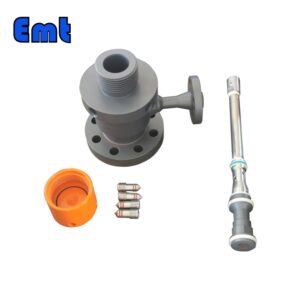
| For Example, SI-P221-N12-S122-L4″-T22 | |||||||||||||||||||||||||||
| SI:e.g. Sampling & Injection Assembly, | |||||||||||||||||||||||||||
| P221: e.g. Solid Plug Body in 316LSS Viton O-Ring and PTFE Primary Packing, | |||||||||||||||||||||||||||
| N12:e.g. injection Nut Connection Size is 1/4″and Material is 316LSS, | |||||||||||||||||||||||||||
| S122:e.g. injection Tube Connection Size is 1/4″ and Material is 316LSS. The type of nozzle is quills | |||||||||||||||||||||||||||
| L4″:For 4″pipe. | |||||||||||||||||||||||||||
| T22: Nipple of Tee Connection Size is 1/2″, Nipple material is 316LSS | |||||||||||||||||||||||||||
How Chemical Quill Works
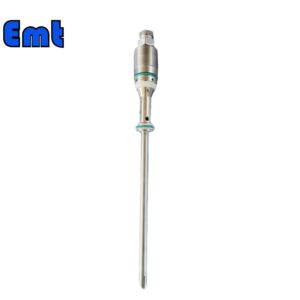
The operating principle of Chemical Quill is based on the basic concepts of fluid dynamics. Our Chemical Quill series consists of hollow tubes or tubes with multiple injection holes distributed along their length. It is strategically installed at designated locations within a process system, such as pipelines, tanks, or reactors, where chemical injection is required. During the operation, a pressurized chemical solution is introduced into the quill through a specified connection point. When the solution enters the quill, it passes through carefully arranged injection holes. This results in a uniform distribution of chemicals across the system’s cross-sectional area.
It is important to note that the flow rate and pressure of the solution are key factors in determining how Chemical Quill will work. The high speed at which fluid passes through these injection holes creates turbulent jets that help disperse chemicals into the surrounding fluid. This turbulence promotes efficient mixing between injected chemicals and process fluids, thereby improving their performance.
Common characteristics of Chemical Quill
The following characteristics of Chemical Quill help promote their easy acceptance in various industries.
- The quill we offer is made of strong materials such as stainless steel, Inconel, Hastelloy, as well as PVC or ceramic.
- They have a wide range of pressures.
- These quills come with valves to prevent liquid backflow.
- In order for the fluid to flow at the desired speed, choosing the right pipe is crucial. Usually, 3.25 “is a fairly standard length for wet pipes, but we can customize them to meet your requirements.
- The quill should point upwards; If different positioning is required, the needle has a spring-loaded model. This positioning depends on the desired flow direction.
- However, this is a very broad breakdown. Injection tubes vary in length, purpose, and the number of tubes inserted into them. For example, there are Chemical Quills specially designed to transfer chlorine and other chemicals. Some are specifically designed for the oil and gas and petrochemical industries. The needle delivers fluid at different rates.
Reviews
There are no reviews yet.