

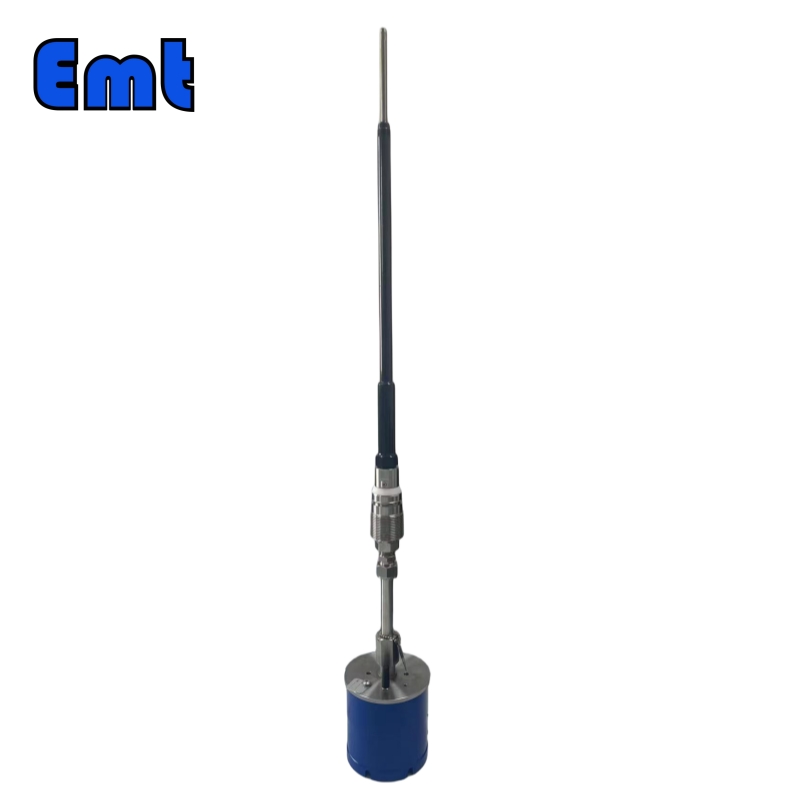
Description
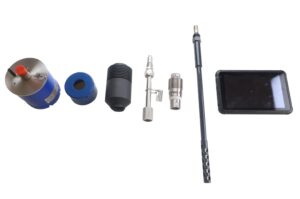
What is Corrosion Monitoring?
Corrosion monitoring involves using a corrator (corrosion meter) or various methods and equipment to measure corrosion rates, typically expressed in mpy (mils per year). This process provides offline and online data to help improve and implement preventive measures against corrosion. Monitoring is essential to evaluate the effectiveness of corrosion protection strategies like cathodic protection and corrosion inhibitors. By analyzing monitoring results, industries can adjust and optimize their protection methods, ensuring efficient use of resources and preventing unnecessary wastage.
Difference Between Corrosion Monitoring and Inspection
Corrosion monitoring differs from corrosion inspection in its approach and purpose. Monitoring is a continuous process to control and respond swiftly to corrosion changes. It focuses on preventing corrosion and enhancing preventive measures. In contrast, inspection involves periodic checks to detect deviations from expected results, aiming to estimate the time frame for necessary replacements or corrections. While both processes are crucial, monitoring provides real-time insights for proactive corrosion management.
Specifications of ER Probe
| Technical specifications | |
| Output signal | Wired form: RS-485 signal; |
| Wireless form: LORA, 4G/5G wireless network signal | |
| Power supply voltage | 9-36VDC |
| Rated operating voltage | 9VDC |
| Meter power consumption | 5.4W (Wired) |
| Linear | 0.0015% non-linear |
| Resolution | 17 bit |
| B | 25.6 mV |
| Accuracy | ±0.2% F.S (full scale) |
| Corrosion rate range | When the electrode area is 1cm², the measurement range is 4X10⁻⁴~10mm/a |
| Working and storage conditions | |
| Operating temperature | -40~70℃ |
| Storage temperature | -40~85℃ |
| Structural parameter | |
| Protection level | IP66 |
| Shell material | Cast aluminum or PVC, aviation aluminum, stainless steel can be customized |
| Process interface | 7/8-20UNEF (Insert probe) |
| Electrical connection | M20*1.5mm |
| Access cable Model | RVVP 2*1.5mm² (minimum application standard) |
| Installation | The probe is installed directly on the pipeline, and the transmitter can be installed in one piece or separately through the cable |
| Weight | 500g |
| Split type accessory | Interface: MS-14-6S double female head |
| Split connection cable | Cable length: 1-3 meters can be customized |

ER Probes Sensing Elements in Corrosion Monitoring
Wire Loop Elements
Wire loop elements are the most common choice for monitoring. They offer high sensitivity and low susceptibility to noise. Manufacturers glass-seal wire loops into an endcap, then weld them to the probe body. The glass seal is chemically inert and has good pressure and temperature ratings. This makes it suitable for most applications. Common alloys include Carbon Steel, AISI 304, and 316 stainless steel. In corrosive environments, Teflon-sealed elements are available. Probes with wire loops often have a flow deflector to protect against debris.
Tube Loop Elements
Tube loop elements detect low corrosion rates with high sensitivity. They are made of a small hole, a hollow tube that forms a ring. Carbon steel is the most commonly used alloy. Teflon pressure seals are available for additional protection. Flow deflectors minimize distortion in fast-flowing systems. This makes tube loops ideal for rapid detection needs.
Strip Loop Elements
The strip loop element is flat and forms the loop geometry. They offer high sensitivity but are fragile. The use of glass or epoxy seals depends on the application. Strip loops are best for very low-flow environments. Their fragility limits their use in high-velocity systems. Consider them only for specific, low-impact applications.
Cylindrical Elements
Cylindrical elements feature an all-welded construction. Specifically, a reference tube is welded inside a tube element. This design is ideal for harsh environments, including high velocity and temperature. Consequently, glass-sealed elements are not an option here. Instead, cylindrical elements withstand rigorous conditions effectively.
Spiral Loop Elements
Spiral loop elements consist of a thin metal strip on an inert base. Due to their rugged nature, they are suitable for high-flow regimens. Furthermore, their high resistance produces a strong signal-to-noise ratio. This makes them very sensitive. Therefore, choose spiral loop elements for demanding, high-flow environments. Their design ensures durability and reliability.
Flush Mount Elements
Flush mount elements are installed flush with the vessel wall. As a result, they simulate true corrosion conditions along interior surfaces. This design also prevents damage in high-velocity systems. Use them in pipeline systems subject to pigging operations. Consequently, flush mount elements provide accurate corrosion monitoring. They are effective and durable in challenging conditions.
Surface Strip Elements
Surface strip elements are thin rectangular elements with a large surface area. Consequently, they offer representative results in non-homogeneous corrosive environments. Commonly used in underground probes, they monitor cathodic protection effectiveness. Additionally, surface strip elements are ideal for atmospheric probes. They ensure accurate monitoring in diverse conditions.
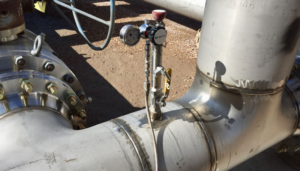
Use of Electrical Resistance (ER) Corrosion Probes
Electrical resistance (ER) corrosion probes are essential tools for online corrosion monitoring across various applications. These probes measure corrosion rates, which can be monitored online or transmitted to control systems using handheld or fixed data loggers and corrosion transmitters. The main types of ER probe elements include:
- Flush type
- Cylindrical
- Spiral loop
- Wire loop
- Tube loop
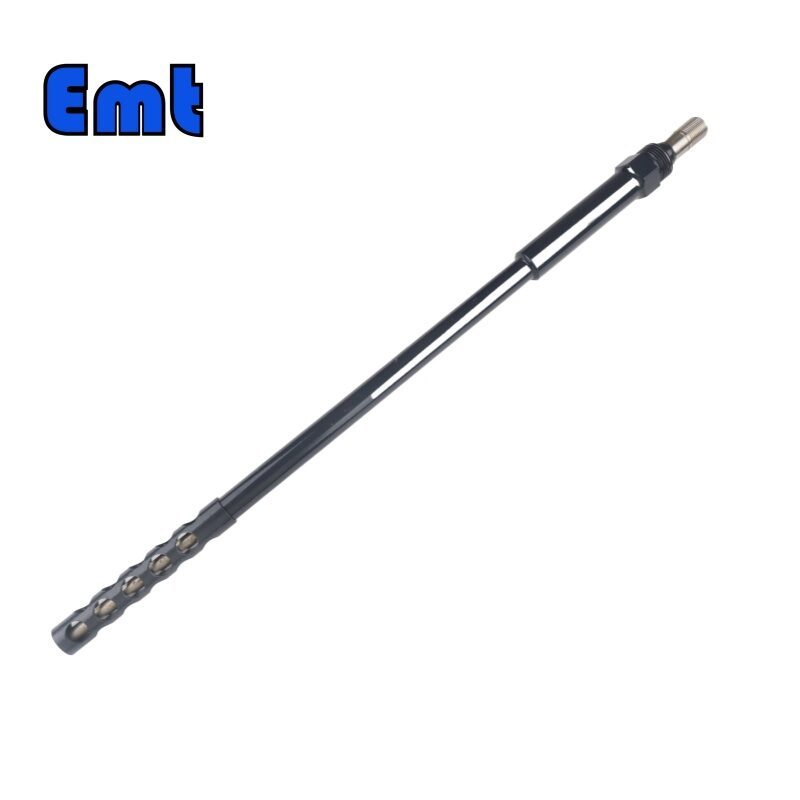
Moreover, ER probes can be connected to data loggers or transmitters through adapters, facilitating seamless data transfer. The length of the probes varies based on the specific mounting and monitoring locations, ensuring optimal performance in different environments.


Reviews
There are no reviews yet.